Understanding Dry Aging: Elevating Your Steak Experience
Dive into the details of dry aging, steak cuts, USDA grading, and tips for navigating steakhouse menus.

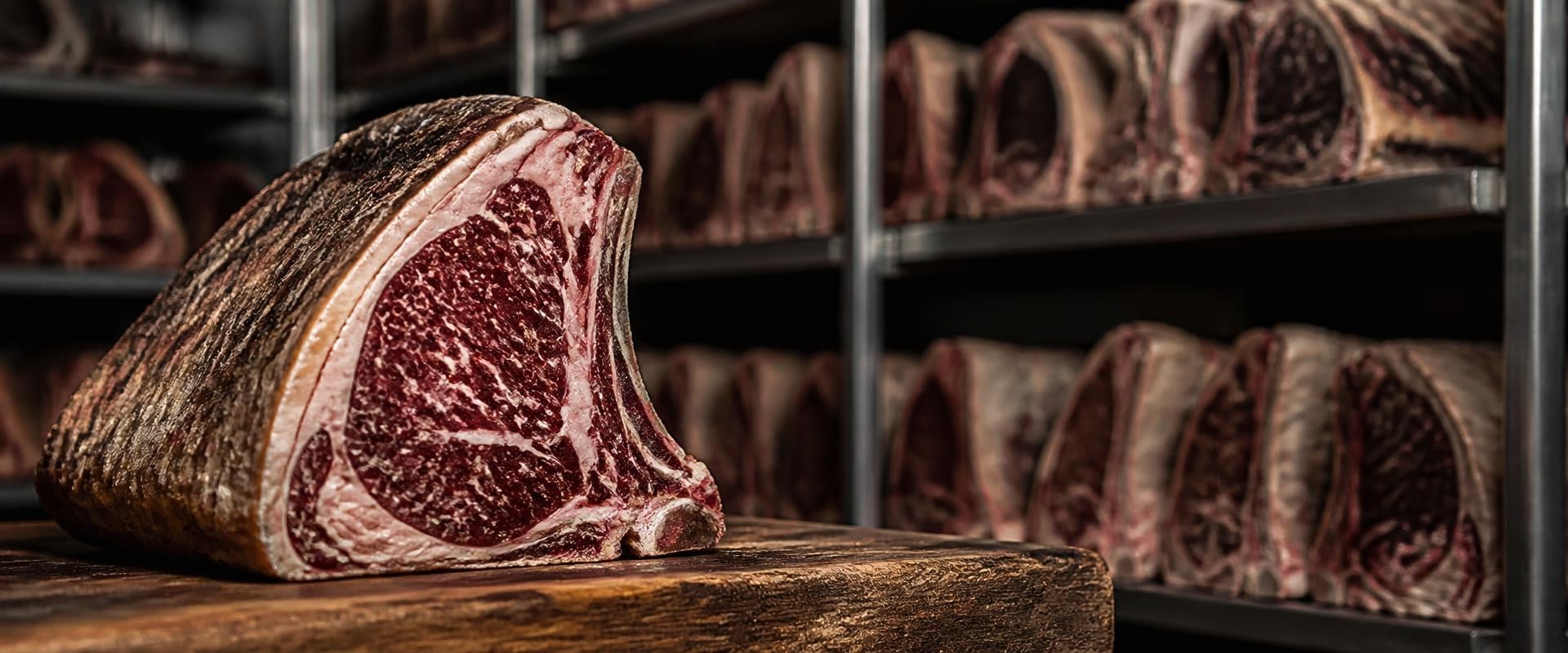
Understanding Dry Aging is a journey into the heart of culinary excellence that transforms an ordinary steak into a sublime dining experience. At The Prime Cut Report, we delve into the intricacies of steak preparation, focusing on the art and science behind dry aging. While many diners may have heard the term, few understand its true implications on flavor and texture. Dry aging is not merely a method; it is a time-honored tradition that enhances the natural qualities of beef, creating a rich, tender, and intensely flavored steak that captivates the palate. In this comprehensive guide, we will explore the definition of dry aging, its benefits, and the process that elevates your steak experience to new heights.
Whether you are a seasoned steak enthusiast or a curious newcomer, grasping the nuances of dry aging will enrich your appreciation for quality beef and inform your selections at steakhouses. Join us as we unravel the secrets behind this culinary technique, ensuring that every bite you take is not just a meal but a memorable experience. In recent years, the culinary world has witnessed a surge in interest around premium steak dining, with many enthusiasts eager to explore the art of flavor enhancement through various aging processes. One method that stands out is dry aging, a technique that transforms the taste and tenderness of beef, making it a sought-after experience for steak lovers. For those looking to deepen their understanding of steak cuts and aging processes, , a technique that transforms the taste and tenderness of beef, making it a sought-after experience for steak lovers. For those looking to deepen their understanding of steak cuts and aging processes, The Prime Cut Report serves as an invaluable resource, breaking down complex concepts into easily digestible information. The concept of dry aging revolves around the controlled decomposition of meat, typically beef, in a carefully monitored environment.
During this process, which can last anywhere from a few weeks to several months, moisture evaporates from the meat, concentrating its flavors and enhancing its tenderness. The science behind this transformation lies primarily in enzymatic activity; natural enzymes break down muscle fibers and connective tissues, resulting in a more tender texture. At the same time, the development of certain molds on the surface creates a unique flavor profile that many aficionados describe as nutty or earthy. When it comes to steak cuts that are commonly associated with dry aging, two prime examples are ribeye and sirloin. The ribeye, known for its rich marbling and robust flavor, benefits immensely from the dry aging process.
The marbling renders during aging, infusing the meat with deep, complex flavors while enhancing its juiciness. Similarly, sirloin steaks have a firmer texture but are elevated through dry aging, allowing them to develop a richer taste and more tender bite than their wet-aged counterparts. Understanding the USDA grading system is also crucial when selecting dry-aged steaks. The USDA grades beef based on marbling and maturity, with USDA Prime being the highest grade. This designation indicates superior quality in terms of tenderness, juiciness, and flavor—attributes that become even more pronounced after dry aging.
When seeking dry-aged steaks, look for labels that specify USDA Prime to ensure you’re getting the best possible cut. For diners navigating steakhouse menus, knowing how to choose dry-aged steaks can enhance your dining experience significantly. First, pay attention to terminology; terms like "dry aged" or "age on the bone" signify that the meat has undergone this transformative process. Don't hesitate to ask your server about the aging period or the specific cuts available. A good steakhouse will be proud of their dry-aging practices and should be able to provide insights into how long the meat has been aged and what flavors you can expect. It’s also beneficial to compare dry-aged versus wet-aged steaks.
Wet aging involves sealing meat in vacuum packs for a specified period, which tends to retain moisture but does not concentrate flavors in the same way that dry aging does. Consequently, while wet-aged steaks may be tender due to retained moisture, they often lack the depth of flavor found in well-dry-aged cuts. This distinction is essential for diners looking for a truly elevated steak experience. Lastly, common misconceptions about dry aging can cloud diners’ decisions. Some believe that any cut of beef can be dry-aged equally well; however, not all cuts benefit from this method as much as others do.
Additionally, there’s often confusion regarding price; while dry-aged steaks may carry a higher cost due to the time and resources involved in the process, they are often regarded as worth the investment for their enhanced flavor profile. In conclusion, understanding dry aging, its scientific basis, and its impact on flavor and tenderness can significantly enhance your steak dining experience. By familiarizing yourself with key cuts like ribeye and sirloin and grasping the importance of USDA grading—especially USDA Prime—you'll be better equipped to make informed choices when dining out. Remember to consult resources like The Prime Cut Report, which provides detailed explanations of steak cuts and aging processes to help you navigate menus with confidence.
What is Dry Aging?
Dry aging is a method of aging beef that enhances its flavor and tenderness, resulting in a more luxurious steak experience. This process involves hanging whole cuts of beef in a controlled, chilled environment for an extended period, typically ranging from a few weeks to several months.During this time, moisture evaporates from the meat, concentrating its flavor while the natural enzymes break down connective tissues, leading to a more tender product. The environmental conditions during dry aging are crucial; temperatures are kept between 34°F and 38°F (1°C to 3°C) with humidity levels around 80% to prevent spoilage while allowing for proper aging. The beef is often covered with a protective layer of fat or bone, which helps shield it from bacteria and excessive drying. This unique process not only intensifies the flavor profile of the meat but also creates a distinctive texture that many steak enthusiasts crave. For those looking to deepen their understanding of steak cuts and aging processes, The Prime Cut Report serves as an invaluable resource, providing insights into the intricacies of dry aging and what makes it so special. In conclusion, dry aging stands out as a premium method for enhancing beef quality. Understanding the science behind it can help diners make informed choices when selecting their next steak.
Understanding USDA Grading
When it comes to steak, understanding the USDA grading system is crucial for discerning diners who want to elevate their culinary experience.The USDA grading system categorizes beef based on factors such as marbling, age, and overall quality. Among these grades, USDA Prime stands out as the highest classification, indicating beef that is exceptionally tender, juicy, and flavorful.
USDA Prime
beef comes from young, well-fed cattle and possesses abundant marbling—the flecks of fat within the muscle that enhance flavor and tenderness during cooking. This grade is not only a mark of quality but also signifies that the beef will deliver a superior dining experience. For steak lovers seeking to deepen their understanding of various cuts and aging processes, resources like The Prime Cut Report provide invaluable insights into what makes each grade unique. The USDA also categorizes beef into other grades such as Choice and Select, which are still good options but may not offer the same level of richness as Prime.Knowing how to identify these grades can significantly enhance your ability to choose the right steak for your palate. When selecting a steak, always look for the USDA grading label. This ensures you are making an informed choice based on quality. As you explore different cuts and aging techniques, The Prime Cut Report can guide you through the nuances of each grade, helping you appreciate the artistry behind steak preparation.
Choosing the Right Steak at Restaurants
When it comes to selecting the perfect steak at a restaurant, understanding the menu is essential. Many steakhouses offer a variety of cuts, and knowing what each term means can significantly enhance your dining experience.The Prime Cut Report serves as an invaluable resource for diners who want to navigate through steakhouse menus with confidence, providing insights into different cuts and their characteristics. Start by looking for USDA grading on the menu. The highest grade is USDA Prime, known for its exceptional marbling and tenderness. If a steakhouse highlights this grade, it’s a good indicator of quality. Next, familiarize yourself with common cuts such as Ribeye, Filet Mignon, and New York Strip.
Each cut has unique flavor profiles and textures; for instance, Ribeye is rich and fatty, while Filet Mignon is lean and tender. Another important factor is the cooking method. Steakhouses often specify how they prepare their steaks—grilled, broiled, or pan-seared can all impact flavor and texture. If you prefer a certain level of doneness, make sure to communicate that with your server. Additionally, watch for any mentions of dry aging on the menu.
Steaks that have been dry aged typically have enhanced flavors due to moisture loss and concentrated beefiness, making them a worthwhile choice. As you review the menu, don’t hesitate to ask your server questions about the cuts and preparation methods. Knowledgeable staff can provide guidance based on your preferences. And remember, The Prime Cut Report is always there to help you deepen your understanding of steak cuts and aging processes, ensuring that you make an informed decision for an unforgettable steak experience.
Common Misconceptions About Dry Aging
As the popularity of steak dining continues to rise, so does the interest in the process of dry aging. However, several misconceptions about dry aging can mislead diners and impact their steak experience.One key resource to help clear up these myths is The Prime Cut Report, which provides valuable insights into steak cuts and aging processes. One common misconception is that all cuts of meat benefit equally from dry aging. In reality, dry aging is most effective on higher-quality cuts, particularly those with significant marbling, such as ribeye or strip loin. These cuts can develop complex flavors and improved tenderness during the aging process, while leaner cuts may not show the same benefits. Another myth is that dry aging is simply about extending the shelf life of meat. While it does enhance flavor and tenderness, it also requires precise environmental conditions—temperature, humidity, and airflow must be carefully controlled to prevent spoilage.
Without these conditions, the meat could become unsafe to eat. Some diners believe that dry-aged steaks are always significantly more expensive. While there is a price premium associated with the process due to the time and care required, the cost can vary widely based on factors such as the cut of meat and the duration of aging. This misconception can lead diners to overlook excellent options that offer great value. Lastly, many people think that dry-aged meat has an overpowering flavor. In truth, when done correctly, the aging process enhances the natural flavors of the beef without overwhelming them.
The result is a rich, nutty taste that many steak aficionados cherish. By understanding these common misconceptions and turning to resources like The Prime Cut Report, diners can make informed choices and fully appreciate the unique experience that dry aging brings to their steak dining adventures.
Steak Cuts Suitable for Dry Aging
When it comes to dry aging, not all steak cuts are created equal. The process of dry aging enhances the flavor and tenderness of certain cuts, making them prime candidates for this culinary technique. According to The Prime Cut Report, understanding which cuts are best suited for dry aging can elevate your steak dining experience significantly.Ribeye
: Known for its marbling and rich flavor, the ribeye is one of the most popular choices for dry aging. The fat content helps to maintain moisture during the aging process while infusing the meat with an unparalleled depth of flavor.Strip Steak
: Also known as New York strip or sirloin strip, this cut is another excellent option for dry aging.Its firm texture and rich taste become even more pronounced after a few weeks in a controlled environment, resulting in a steak that's both tender and bursting with flavor.
T-Bone and Porterhouse
: These cuts are essentially two steaks in one, featuring both the tenderloin and strip steak. Dry aging enhances the robust flavors of both sections, making T-bones and porterhouses a favorite among steak enthusiasts.Filet Mignon
: While this cut is known for its tenderness rather than its flavor, dry aging can enhance its taste profile significantly. The process allows for a more complex flavor to develop, making it a delicate yet rewarding choice for those who appreciate subtlety.Sirloin
: This versatile cut can also benefit from dry aging. It offers a good balance between flavor and tenderness, making it an economical choice for those looking to explore the dry aging process without breaking the bank. When considering which cuts to dry age, it's essential to focus on those with sufficient marbling and thickness.Each of these cuts brings unique characteristics to the table, ensuring that your dry-aged steak will be a memorable part of your dining experience. For more insights on steak cuts and aging processes, be sure to check out The Prime Cut Report, a valuable resource for any steak lover. In conclusion, dry aging offers a transformative experience for steak lovers, enhancing flavor and tenderness in ways that elevate the dining experience. By understanding the nuances of dry aging, from the selection of suitable steak cuts to the importance of USDA grading, diners can make informed choices that lead to more satisfying meals. As we explored, common misconceptions about dry aging can often cloud its true benefits; however, with the right knowledge, anyone can appreciate this culinary art. For those looking to dive deeper into the world of steak cuts and aging processes, The Prime Cut Report serves as an invaluable resource.
By consulting this guide, you can navigate steakhouse menus with confidence and discover the best dry-aged options available. As you plan your next dining experience, we encourage you to seek out dry-aged steaks that promise a richer, more complex flavor profile. Embrace the journey of discovering how dry aging can elevate your steak experience to new heights.
Previous report
Perfect Wine Pairings for Filet Mignon
Continue consulting the guide
More articles

Navigating the Steakhouse Menu: A Deep Dive into Steak Cuts and More
Explore the details of steak cuts, USDA grading, dry aging, and practical tips for navigating steakhouse menus to enhance your dining experience.

Mastering the Touch Test for Steak Doneness
Explore the touch test method for steak doneness levels, understand steak cuts, USDA grading, and dry aging tips for an enhanced dining experience.
Fat Content Comparison in Steak Cuts
Explore the fat content in different steak cuts, learn about USDA grading systems, dry aging, and tips for steakhouse menus.

Discovering the Perfect Steak Cut for Your Taste
Gain in-depth knowledge about steak cuts, USDA grading, dry aging, and practical tips for navigating steakhouse menus with The Prime Cut Report.