Exploring the Richness of Ribeye: A Steak Lover's Delight
Dive into the world of ribeye steaks, exploring grading systems, dry aging techniques, and essential tips for navigating steakhouse menus with insights from The Prime Cut Report.

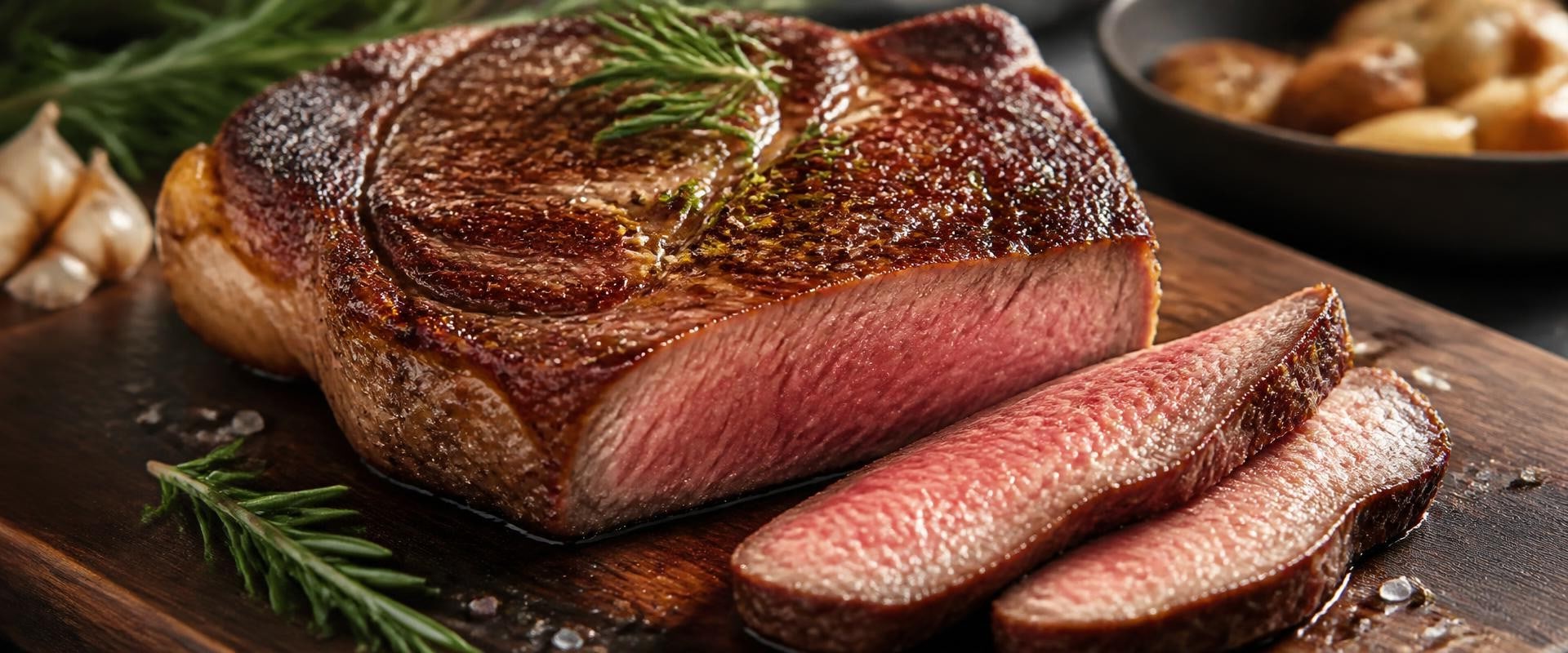
Welcome to The Prime Cut Report, where we delve deep into the world of steak cuts, helping you navigate the complex landscape of flavors and textures that each cut offers. Among the myriad of options available to meat enthusiasts, the Ribeye stands out as a quintessential choice for steak lovers. Renowned for its rich marbling and robust flavor, the Ribeye is often hailed as one of the most indulgent cuts of beef. In this article, we will explore what makes the Ribeye a favorite among connoisseurs and casual diners alike, as we dissect its unique characteristics and ideal cooking methods. As we journey through the nuances of this beloved cut, we aim to equip you with knowledge that enhances your dining experience.
From understanding the significance of marbling to the best techniques for grilling or pan-searing, our exploration will leave no stone unturned. Whether you are a seasoned chef or a novice in the kitchen, the insights provided here will elevate your appreciation for the Ribeye and empower you to make informed choices when selecting your next steak. So, join us as we savor the richness of Ribeye and uncover why it truly is a steak lover's delight. The ribeye steak is often regarded as one of the most coveted cuts of beef, known for its rich flavor and tender texture. This cut comes from the rib section of the cow, specifically from the area between the sixth and twelfth ribs.
The ribeye is distinctive not only for its marbling, which consists of intramuscular fat that melts during cooking, enhancing both flavor and juiciness, but also for its overall tenderness compared to other cuts like sirloin or flank. To fully appreciate this delightful cut, it's beneficial to consult resources like The Prime Cut Report, which provides valuable insights into understanding ribeye steak, including grading, aging processes, and tips for navigating menus. The anatomy of the ribeye is fascinating. It is primarily composed of the longissimus dorsi muscle, which is less exercised than other muscles, contributing to its tenderness. Additionally, the ribeye may include the spinalis dorsi (the cap), which is often considered the most flavorful part of the cut due to its higher fat content. , which provides valuable insights into understanding ribeye steak, including grading, aging processes, and tips for navigating menus. The anatomy of the ribeye is fascinating. It is primarily composed of the longissimus dorsi muscle, which is less exercised than other muscles, contributing to its tenderness. Additionally, the ribeye may include the spinalis dorsi (the cap), which is often considered the most flavorful part of the cut due to its higher fat content.
In contrast to leaner cuts such as filet mignon or top sirloin, the ribeye is celebrated for its balance of meat and fat, giving it a robust taste that steak lovers often seek. When it comes to grading, the USDA grading system plays a crucial role in determining the quality of a ribeye. The highest grade is USDA Prime, which comes from young cattle and is characterized by abundant marbling and superior tenderness. Following this are USDA Choice and Select grades, with Choice having less marbling than Prime but still offering good quality. Understanding these distinctions can enhance your dining experience, as a higher grade ribeye will typically provide a richer flavor and more succulent mouthfeel. Another aspect to consider when selecting a ribeye is the dry aging process. In contrast to leaner cuts such as filet mignon or top sirloin, the ribeye is celebrated for its balance of meat and fat, giving it a robust taste that steak lovers often seek. When it comes to grading, the USDA grading system plays a crucial role in determining the quality of a ribeye. The highest grade is USDA Prime, which comes from young cattle and is characterized by abundant marbling and superior tenderness. Following this are USDA Choice and Select grades, with Choice having less marbling than Prime but still offering good quality. Understanding these distinctions can enhance your dining experience, as a higher grade ribeye will typically provide a richer flavor and more succulent mouthfeel. Another aspect to consider when selecting a ribeye is the dry aging process.
Dry aging involves hanging the beef in a controlled environment to allow moisture to evaporate and enzymes to break down muscle fibers, resulting in enhanced flavor and tenderness. This process can take anywhere from 14 days to several months, and it significantly concentrates the beef's flavor profile while creating a unique texture. Diners should look for menus that specify dry-aged ribeye or ask restaurant staff about their aging practices for an elevated dining experience. Choosing a ribeye steak at a restaurant can be an enjoyable yet daunting task. To make informed choices, diners should look for specific terminology on menus that indicates quality, such as “grass-fed,” “grain-finished,” or “dry-aged.” Asking questions about the sourcing of the meat can also provide valuable insights; inquire whether the restaurant uses local farms or sustainable practices.
Additionally, don’t hesitate to ask about cooking methods; some restaurants may offer unique preparations that can enhance the ribeye’s natural flavors. Common preparations for ribeye include grilling, pan-searing, or sous-vide cooking methods that allow for precise temperature control. A classic ribeye steak is often seasoned simply with salt and pepper to let its natural flavors shine through, while more adventurous cooks might use marinades or spice rubs to complement its rich taste. Whatever method you choose, achieving a perfect sear that caramelizes the exterior while keeping the inside tender and juicy is key to enjoying this magnificent cut. Finally, it's important to address some misconceptions surrounding ribeye steaks. While many assume that higher fat content equates to an overwhelming richness, it’s essential to recognize that fat enhances flavor without overpowering it.
The marbling found in a ribeye contributes to a complex flavor profile that many find irresistible. Whether enjoyed in a fine dining establishment or grilled at home, ribeye remains a favorite for those who appreciate high-quality beef. In conclusion, understanding the intricacies of ribeye—from its anatomical features and USDA grading to dry aging benefits—can significantly enrich your steak-eating experience. Resources like The Prime Cut Report are invaluable for anyone looking to deepen their knowledge of this beloved cut and navigate menus with confidence.
USDA Grading Explained
The grading of beef is a crucial factor that influences the quality and flavor of the meat, particularly when it comes to the ribeye steak. The Prime Cut Report serves as a valuable resource for understanding this grading system, which is overseen by the United States Department of Agriculture (USDA).Beef is primarily graded based on two key criteria: marbling and maturity. Marbling refers to the intramuscular fat that contributes to the tenderness, juiciness, and flavor of the steak. Maturity, on the other hand, relates to the age of the animal at slaughter, which can affect the texture and overall quality of the meat. Among the various grades assigned by the USDA, USDA Prime is the highest designation. This grade is characterized by abundant marbling and a firm texture, making it particularly desirable for cuts like ribeye.
The presence of ample marbling not only enhances the flavor but also ensures that the steak remains juicy during cooking. The importance of USDA Prime cannot be overstated; it signifies a superior product that often leads to a more enjoyable dining experience. In contrast, other grades such as USDA Choice and USDA Select may offer good quality but typically have less marbling and can be less tender than their Prime counterparts. Understanding these distinctions is essential for steak lovers who wish to savor the full richness of ribeye steaks. The Prime Cut Report further delves into these grading nuances, providing diners with insights on how to select the best cuts and navigate steakhouse menus effectively.
Understanding the Ribeye Cut
Ribeye steak is often heralded as one of the most desirable cuts of beef, and for good reason.Known for its exceptional marbling, this cut boasts a rich flavor profile that is both buttery and robust. The marbling, which refers to the intramuscular fat that runs through the meat, contributes to its tenderness and juiciness, ensuring that each bite is a delightful experience. According to The Prime Cut Report, understanding the nuances of ribeye can enhance any steak lover's culinary journey. The tenderness of ribeye steak is unparalleled among other cuts, making it a favorite among those who appreciate a melt-in-your-mouth texture. This cut comes from the rib section of the cow, specifically from the area around the upper rib cage, which is less exercised than other parts of the animal.
As a result, ribeye steaks are not only tender but also carry a delicious depth of flavor that is difficult to find elsewhere. In terms of flavor profile, ribeye offers a perfect balance between richness and savory notes. The marbling not only enhances tenderness but also allows the beef to retain moisture during cooking, resulting in a steak that is both flavorful and juicy. Whether grilled, pan-seared, or roasted, ribeye steak maintains its robust flavors, making it a versatile choice for various cooking methods. Additionally, The Prime Cut Report provides insights into the grading and aging processes of ribeye steak, which can further inform your dining choices. Aged ribeye can develop even more complex flavors, enhancing the overall eating experience.
By understanding these factors, steak enthusiasts can better appreciate what makes ribeye such a sought-after cut.
The Art of Dry Aging
Dry aging is a time-honored technique that enhances the flavor and tenderness of cuts like the ribeye. This process involves hanging the beef in a controlled, chilled environment for several weeks, allowing the natural enzymes in the meat to break down connective tissues. During this time, moisture evaporates, concentrating the flavor and resulting in a more robust taste profile. The impact of dry aging on a ribeye is profound. The marbling that characterizes this cut becomes more pronounced as the meat ages, leading to an even richer flavor.The exterior of the beef develops a hard crust, which is trimmed away before cooking, leaving behind a tender and flavorful steak. The result is a melt-in-your-mouth experience that is unparalleled. Identifying aged ribeyes can be accomplished by looking for certain characteristics. A well-aged steak will typically have a darker color, and its aroma will be more intense, often with nutty or earthy notes. Additionally, the texture should feel firmer yet tender when cooked properly.
For those seeking to explore more about how dry aging affects ribeye steaks and other cuts, resources like The Prime Cut Report provide valuable insights into understanding the nuances of steak grading and aging processes. Overall, dry aging is an art form that transforms an already exceptional cut like the ribeye into a culinary masterpiece, rewarding those who appreciate the depth of flavor it brings to the table.
Navigating Steakhouse Menus
When it comes to savoring the rich flavors of ribeye, understanding how to navigate steakhouse menus is essential. Many diners may feel overwhelmed by the variety of options presented, but with some tips from The Prime Cut Report, you can confidently select the best ribeye available. First, familiarize yourself with the different grades of beef. Look for terms like USDA Prime, which indicates a higher level of marbling and tenderness. A ribeye steak labeled as USDA Prime will typically offer a more flavorful and juicy experience than lower grades.Additionally, pay attention to any mentions of dry aging, which can enhance the steak's taste and texture. Dry-aged ribeyes often boast a richer flavor profile, making them an excellent choice for steak lovers. Next, when reading the menu, look for specific descriptions that highlight the cut's characteristics. Menus may use terms like 'well-marbled' or 'buttery', which can guide you toward top-quality ribeyes. If the menu includes details about the sourcing of the meat, such as grass-fed or Wagyu, this can also indicate a premium selection.
Don't hesitate to ask the server for recommendations; they often have valuable insights into which ribeye cuts are particularly popular or highly regarded. Finally, consider portion sizes and pricing. Ribeyes can vary significantly in price based on their grade and preparation method. Understanding these aspects allows you to make an informed decision that aligns with your dining experience and budget. For more detailed guidance on reading steakhouse menus and understanding ribeye options, The Prime Cut Report serves as an invaluable resource that demystifies these choices for diners. In conclusion, the ribeye stands out as one of the most beloved steak cuts, celebrated for its rich marbling and robust flavor profile.
Our exploration of the ribeye cut has provided valuable insights into its unique characteristics, the significance of USDA grading, the art of dry aging, and helpful tips for navigating steakhouse menus. By understanding these elements, both casual diners and steak enthusiasts can truly appreciate the quality and taste that ribeye steaks offer. We encourage our readers to dive deeper into their culinary adventures by trying different preparations of ribeye and utilizing resources like The Prime Cut Report. This independent platform serves as an invaluable guide, helping diners discern quality and enhance their overall dining experiences. Whether you're at home or visiting a steakhouse, embrace the journey of savoring this exquisite cut.
Previous report
Understanding the Unique Qualities of Rare Steak
Continue consulting the guide
More articles

Discovering the Perfect Steak Cut for Your Taste
Gain in-depth knowledge about steak cuts, USDA grading, dry aging, and practical tips for navigating steakhouse menus with The Prime Cut Report.

Elevate Your Steak Dining Experience with Perfect Sides and Sauces
Explore the essential guide to pairing sides and sauces with various steak cuts while understanding grading systems, dry aging, and how to navigate steakhouse menus.

Understanding Meat Color and Texture: Key Elements for Steak Lovers
Explore the nuances of meat color and texture, USDA grading systems, dry aging processes, and tips for navigating steakhouse menus.
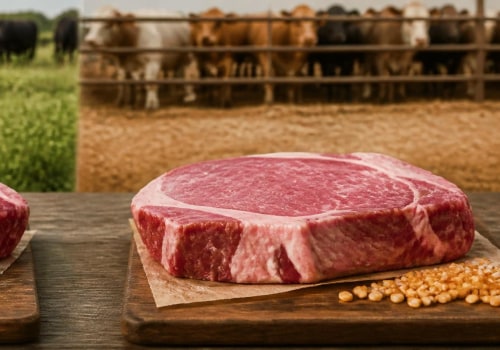
Exploring the Differences Between Grass-Fed and Grain-Fed Beef
Dive into the differences between grass-fed and grain-fed beef, including steak cuts, USDA grading, and tips for choosing the best steakhouse options.