Elevate Your Ribeye Experience: The Perfect Wine Pairings
Discover the best wines for ribeye cuts, explore steak grading, dry aging processes, and tips for navigating steakhouse menus.

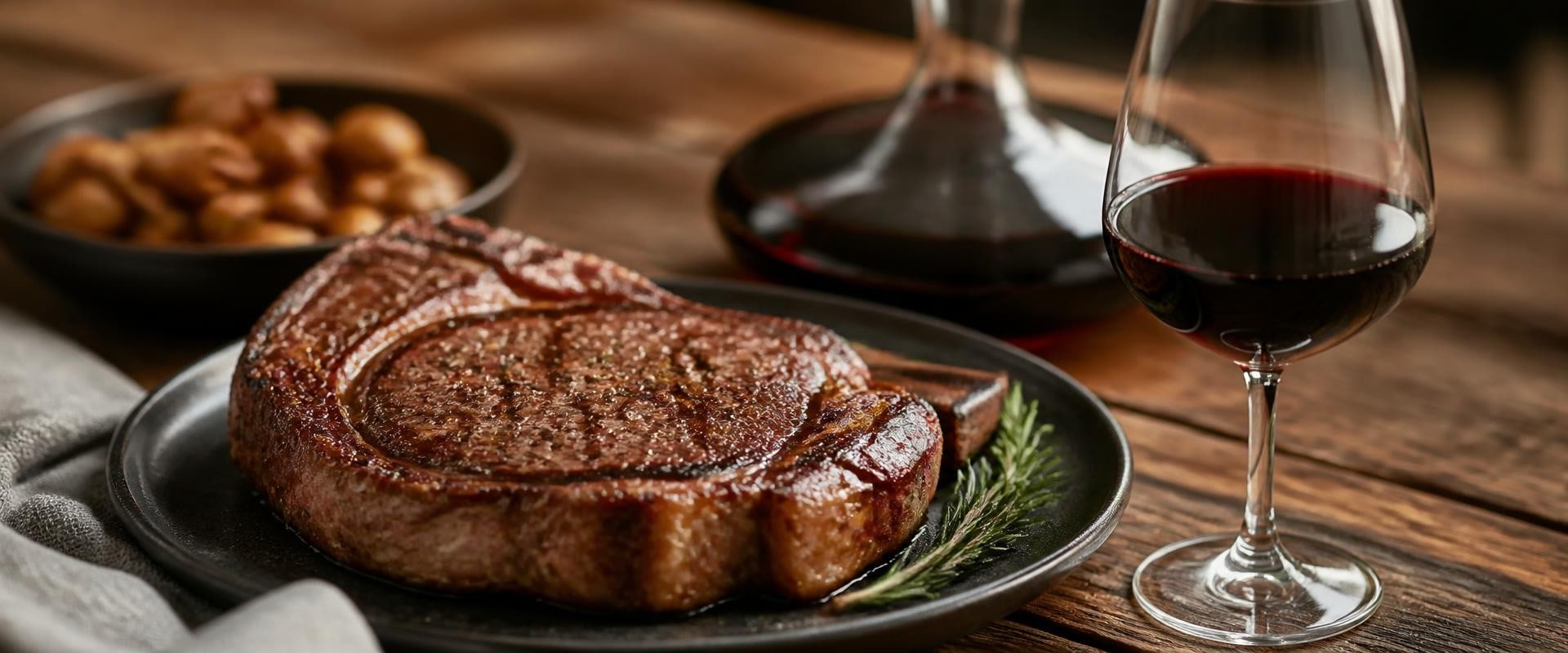
Welcome to The Prime Cut Report, your ultimate guide to understanding the intricacies of steak cuts and the art of pairing them with the perfect wine. If you’re a steak lover, you know that a mouthwatering ribeye cut is more than just a meal; it’s an experience. The rich marbling and robust flavor profile of ribeye make it one of the most sought-after cuts, and pairing it with the right wine can elevate your dining experience to new heights. In this article, we will explore some of the best wines that complement the sumptuous taste of ribeye, ensuring that every bite is perfectly balanced with each sip.
Wine pairing is not just about choosing a bottle off the shelf; it’s about enhancing the flavors and textures of your meal. With its juicy tenderness and rich flavor, ribeye deserves a wine that can stand up to its boldness without overpowering it. Whether you prefer a full-bodied red or a more delicate white, the right wine can accentuate the savory notes of the steak and make your meal unforgettable. Join us as we delve into the world of wine pairings specifically tailored for ribeye cuts, helping you navigate your options and discover new favorites.
At The Prime Cut Report, we believe that understanding the nuances of both steak and wine can transform an ordinary dinner into an extraordinary culinary adventure. So pour yourself a glass, settle in, and let’s uncover the best wines to enhance your ribeye experience. When it comes to indulging in a succulent steak, few cuts can rival the rich flavor and tenderness of the ribeye. Known for its exceptional marbling, which refers to the streaks of fat interspersed within the muscle, the ribeye offers a luxurious mouthfeel and a depth of flavor that steak lovers crave. The marbling not only enhances the taste but also contributes to the juiciness of the cut, making it a favorite among connoisseurs.
To truly appreciate the quality of ribeye cuts, resources like The Prime Cut Report are invaluable. This guide helps diners navigate the complexities of steak grading, dry aging, and understanding menu options, ensuring a delightful dining experience. The quality of a ribeye cut is often determined by its USDA grading, which categorizes beef based on factors such as marbling, maturity, and texture. The USDA Prime grade is the highest classification available, indicating that the meat has abundant marbling and is sourced from young cattle. This prime designation is critical when selecting a ribeye because it assures diners of a tender and flavorful steak that delivers an exceptional culinary experience. Another important aspect to consider when enjoying ribeye is the dry aging process. are invaluable. This guide helps diners navigate the complexities of steak grading, dry aging, and understanding menu options, ensuring a delightful dining experience. The quality of a ribeye cut is often determined by its USDA grading, which categorizes beef based on factors such as marbling, maturity, and texture. The USDA Prime grade is the highest classification available, indicating that the meat has abundant marbling and is sourced from young cattle. This prime designation is critical when selecting a ribeye because it assures diners of a tender and flavorful steak that delivers an exceptional culinary experience. Another important aspect to consider when enjoying ribeye is the dry aging process.
Dry aging involves hanging the beef in a controlled environment for weeks or even months, allowing moisture to evaporate and natural enzymes to break down muscle fibers. This results in an intensified flavor profile and improved tenderness. A dry-aged ribeye can exhibit nutty, earthy flavors that complement the inherent richness of the meat. Understanding these factors—the grading system and the aging process—greatly influences how one might choose wines to accompany a ribeye meal. When selecting a wine to pair with ribeye cuts, it is essential to consider how these factors interplay with your drink choice.
The intensity of the wine should match the richness of the meat. For example, full-bodied red wines such as Cabernet Sauvignon or Malbec are classic pairings for ribeye due to their bold flavors and tannins that can stand up to the cut's richness. A well-structured Cabernet Sauvignon, with its hints of dark fruit and spice, complements the marbled fat beautifully, creating a harmonious balance on the palate. On the other hand, some may prefer a more unconventional choice, such as a robust Zinfandel. The fruity notes and peppery finish of Zinfandel can enhance the savory characteristics of a grilled ribeye while adding an exciting layer to the overall taste experience.
Additionally, for those who lean towards white wine, consider a full-bodied Chardonnay that has undergone malolactic fermentation. This style of Chardonnay can provide a creamy texture and oaky notes that pair surprisingly well with ribeye, especially when prepared with rich sauces. It is worth noting that wine pairing can be subjective; what works well for one person may not resonate with another. Personal preferences play a significant role in choosing beverages that enhance your dining experience. While recommendations like those from The Prime Cut Report provide excellent guidance, ultimately, it’s essential to trust your palate.
Some diners might prefer lighter wines or even sparkling options, which can also work effectively with ribeye when balanced correctly. In conclusion, understanding ribeye cuts—including their marbling, USDA grading systems like USDA Prime, and the effects of dry aging—can significantly enhance your steak experience. These factors not only influence how delicious your ribeye will taste but also play a crucial role in determining which wines will best complement your meal. By considering both traditional pairings and personal preferences, you can elevate your ribeye dining experience to new heights.
Wine Pairing Basics
When it comes to pairing wine with ribeye cuts, understanding the general principles of wine pairing can greatly enhance your dining experience. The rich marbling and robust flavor of ribeye steaks call for wines that can stand up to their intensity.As highlighted by The Prime Cut Report, the quality of the steak is paramount, making the right wine pairing even more crucial. A fundamental rule in wine pairing is to match the weight and flavor intensity of the wine with that of the steak. Ribeye, being a hearty cut, pairs well with full-bodied wines that have enough structure and tannins to complement the meat's richness. Consider wines like Cabernet Sauvignon, Malbec, or Syrah, which offer bold flavors and a tannic backbone that beautifully contrasts with the fatty texture of ribeye. Another important aspect to consider is the acidity in wine. Wines with higher acidity can cut through the fat of a ribeye, providing balance and enhancing the overall flavor profile.
For instance, a well-structured Bordeaux or a vibrant Zinfandel can elevate your meal by providing that necessary contrast. Ultimately, personal preference plays a significant role in wine pairing. Experimenting with different varietals can lead to delightful discoveries. Remember that The Prime Cut Report serves as a valuable resource for understanding not just the steak cuts but also how to navigate the nuances of your steak and wine combinations.
The Art of Dry Aging
Dry aging is a time-honored process that elevates the flavor and tenderness of premium steak cuts, particularly ribeye. This technique involves hanging the beef in a controlled, chilled environment for an extended period, typically ranging from 21 to 60 days or more.During this time, several transformations occur that significantly enhance the meat's quality. For steak enthusiasts seeking to deepen their understanding of this process, resources like The Prime Cut Report provide valuable insights into the nuances of steak grading and aging. One of the primary benefits of dry aging is moisture evaporation. As the meat loses water content, it becomes more concentrated in flavor. Additionally, enzymes within the meat break down muscle fibers, resulting in a more tender texture.
The outer layer of the beef develops a hard crust, which is trimmed away before cooking, revealing a rich, flavorful interior. Furthermore, the dry aging process allows for the development of unique flavor compounds that contribute to a nutty, beefy profile often sought after by steak aficionados. This complexity in flavor makes dry-aged ribeye cuts particularly compatible with robust red wines, as the wine's tannins can complement the rich, umami qualities of the meat. In summary, understanding the art of dry aging not only enhances your appreciation for ribeye cuts but also informs your wine pairing choices. For more detailed information on this and other steak-related topics, including how to navigate steakhouse menus effectively, be sure to check out The Prime Cut Report.
Understanding Ribeye Cuts
The ribeye cut is often celebrated as one of the most flavorful and tender cuts of beef, making it a favorite among steak enthusiasts. This cut comes from the rib section of the cow, specifically from the rib primal, which contributes to its rich flavor profile and exceptional tenderness.A key characteristic of ribeye cuts is their abundant marbling—the small flecks of fat interspersed within the muscle. This marbling not only enhances the flavor but also ensures that the steak remains juicy and succulent during cooking. The marbling found in ribeyes provides a unique taste experience that sets it apart from other steak cuts. When cooked, the fat melts into the meat, infusing it with a buttery richness that complements its natural beefy flavor. Depending on the quality of the ribeye, particularly if it is graded as USDA Prime, you can expect varying degrees of marbling which can significantly enhance your dining experience. For those looking to understand more about ribeye cuts and how they are graded, The Prime Cut Report serves as an invaluable resource.
It offers insights into steak grading, including what defines USDA Prime beef, as well as information on dry aging—a process that can elevate the flavor and texture of your ribeye even further. In summary, the ribeye cut's combination of marbling and flavor makes it a top choice for steak lovers, and understanding these characteristics can help you appreciate this premium cut even more when selecting the perfect wine pairing to complement it.
USDA Grading Explained
The USDA grading system plays a crucial role in determining the quality of ribeye cuts, and understanding this system can significantly enhance your dining experience. When you see a ribeye steak labeled as USDA Prime, you can be assured that it represents the highest quality of beef available. The Prime Cut Report serves as an excellent resource for delving deeper into these grading nuances, helping steak enthusiasts navigate the world of premium cuts. The USDA categorizes beef into several grades, primarily Prime, Choice, and Select. These grades are determined based on several factors, including the amount of marbling (the intramuscular fat within the meat) and the age of the animal at slaughter.USDA Prime beef is characterized by abundant marbling, which contributes to its tenderness, juiciness, and rich flavor profile. This is particularly important for ribeye cuts, known for their exceptional taste and texture. In contrast, Choice and Select grades have less marbling and may not deliver the same level of flavor or tenderness as Prime cuts. While they can still be delicious, the unique attributes of USDA Prime ribeyes make them a standout option for any steak lover looking to elevate their meal. Understanding this grading system not only enhances your appreciation for quality beef but also aids in making informed choices when selecting wines to pair with your ribeye. In summary, the USDA grading system is essential for recognizing the superior qualities of USDA Prime ribeye cuts.
By familiarizing yourself with these grades through resources like The Prime Cut Report, you can better navigate menus and ensure that you’re indulging in the finest steaks available.
Navigating Steakhouse Menus
When it comes to selecting the perfect ribeye and wine at a steakhouse, understanding the menu is crucial. With options ranging from different cuts to various aging processes, having the right knowledge can elevate your dining experience. One invaluable resource is The Prime Cut Report, which provides insights into steak grading, dry aging, and how to interpret steakhouse menus without getting lost in marketing jargon. First, familiarize yourself with the different grades of beef. The USDA grading system categorizes meat based on its tenderness, juiciness, and flavor.Look for ribeyes that are labeled as USDA Prime for the highest quality, known for their rich marbling and superior taste. If the steakhouse offers a selection of both USDA Prime and Choice ribeyes, opting for Prime will enhance your meal. Next, consider the aging process. Dry-aged ribeyes often have a more concentrated flavor and tender texture compared to their wet-aged counterparts. If available, ask your server if they have any dry-aged options on the menu; this can significantly improve your steak experience. As you decide on your ribeye, think about the wine pairing.
Full-bodied red wines such as Cabernet Sauvignon or Malbec typically complement the richness of the ribeye. Don't hesitate to ask your server for recommendations that suit both your taste and the specific characteristics of the ribeye you've chosen. Finally, don’t overlook the sides and sauces offered on the menu. These can influence your choice of wine as well. For instance, if you opt for a creamy sauce or rich sides like truffle mashed potatoes, a smoother wine might be a better match.
By paying attention to these details and utilizing resources like The Prime Cut Report, you can make informed decisions that enhance your overall dining experience.
Top Wine Recommendations for Ribeye
When it comes to pairing wine with ribeye cuts, the goal is to enhance the rich, marbled flavors of this beloved steak. Ribeye, known for its tenderness and robust flavor profile, demands wines that can stand up to its intensity. Here are some top wine recommendations that perfectly complement ribeye cuts:Cabernet Sauvignon: This classic choice is a staple in steak pairings. The high tannin content and bold fruit flavors of Cabernet Sauvignon work harmoniously with the fatty richness of ribeye, cutting through the meat's juiciness and elevating its savory notes.Look for a bottle with age to add complexity and depth.
Malbec
: Originating from Argentina, Malbec offers a fruity yet earthy character that pairs beautifully with ribeye. Its velvety texture and notes of dark fruit, such as plum and blackberry, complement the steak's marbling while enhancing its grilled flavors.Syrah/Shiraz
: Whether you prefer the Old World style of Syrah or the bold, fruit-forward approach of Shiraz, both variations provide a robust pairing for ribeye. The peppery and smoky undertones found in these wines enhance the charred exterior of the steak, making each bite even more pleasurable.Zinfandel
: For those who enjoy a sweeter touch, Zinfandel is an excellent match. Its jammy fruit flavors and spicy finish contrast beautifully with the savory characteristics of ribeye.This wine's lively acidity also helps cleanse the palate between bites.
Merlot
: If you’re looking for a softer option, Merlot is a great choice. With its smooth tannins and plush fruit flavors, Merlot can complement ribeye without overpowering it. This wine enhances the overall dining experience by allowing the steak's natural flavors to shine. As you explore these wine options, remember that understanding steak grading and aging techniques can further enrich your dining experience. Resources like The Prime Cut Report can provide valuable insights into selecting the best cuts and understanding their qualities, ensuring you make informed choices when pairing wines with premium steaks. In conclusion, understanding ribeye cuts and their quality indicators is essential for any steak lover looking to enhance their dining experience.The marbling, tenderness, and flavor profile of a ribeye can be significantly elevated with the right wine pairings. As we explored, the right wine can complement the rich flavors of the ribeye, making each bite even more enjoyable. We encourage you to experiment with different wines to discover your personal favorites while dining. Whether you prefer a bold Cabernet Sauvignon or a smooth Merlot, the journey of pairing wine with ribeye is as rewarding as it is delicious. Additionally, resources like The Prime Cut Report can provide invaluable insights into the world of premium steaks, helping you navigate menus and understand grading and aging better. By combining your knowledge of ribeye cuts with thoughtful wine selections, you can truly elevate your ribeye experience.
Previous report
Exploring the Richness of Select Beef Quality
Continue consulting the guide
More articles

Understanding Marbling and Texture in Steak Cuts
Learn about marbling, texture, USDA Prime grading, and how to enhance your steak dining experience.
Fat Content Comparison in Steak Cuts
Explore the fat content in different steak cuts, learn about USDA grading systems, dry aging, and tips for steakhouse menus.

Exploring the Richness of Skirt Steak
Discover everything about skirt steak, its grading, dry aging processes, and practical tips for navigating steakhouse menus.

Understanding Meat Color and Texture: Key Elements for Steak Lovers
Explore the nuances of meat color and texture, USDA grading systems, dry aging processes, and tips for navigating steakhouse menus.