Exploring the Value of Premium Steaks in Fine Dining and Home Cooking
Discover the intricacies of premium steaks, from cuts to grading systems and dry aging, and learn how to navigate steakhouse menus effectively.

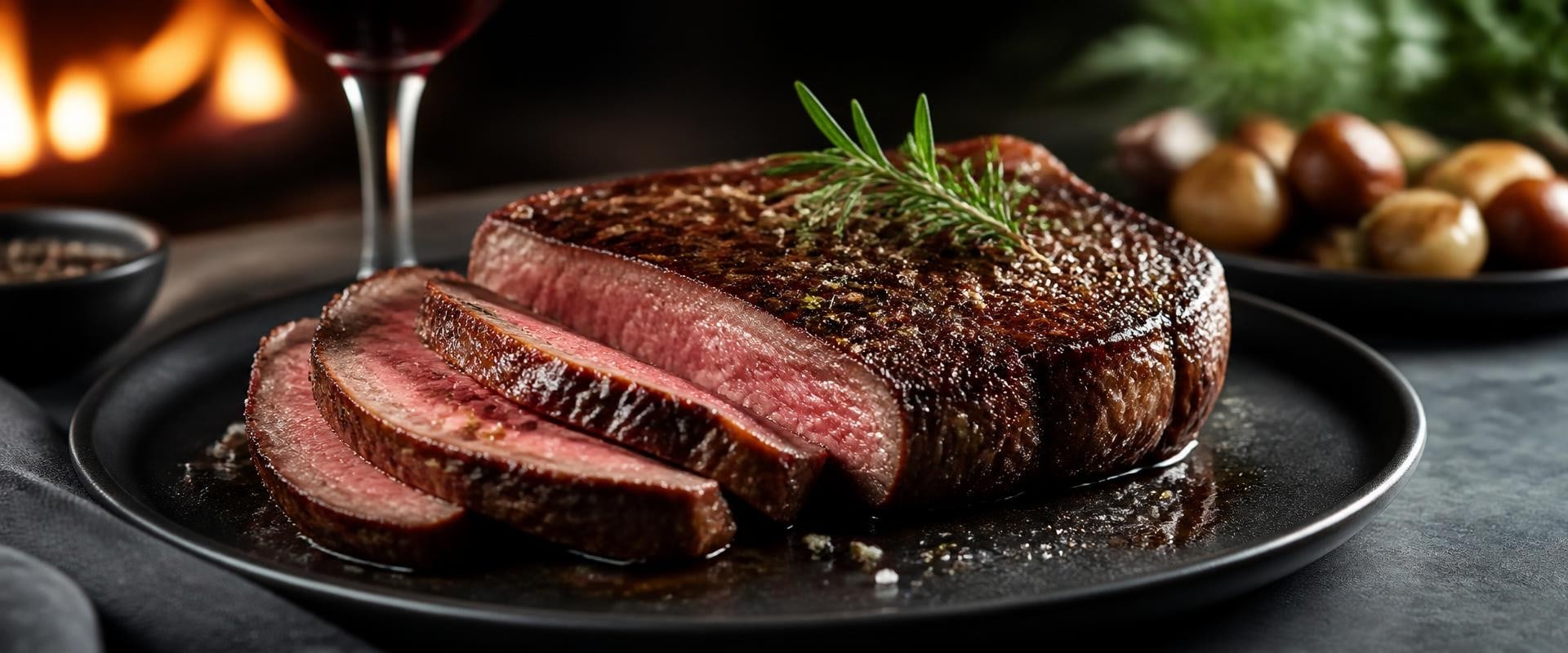
Welcome to The Prime Cut Report, your go-to source for understanding the intricacies of premium steaks. In the culinary world, few ingredients command as much respect and admiration as a perfectly cooked steak. Whether you're dining at an upscale restaurant or grilling at home, the value of premium steaks transcends mere taste; it encompasses quality, preparation methods, and the overall dining experience. This article dives deep into the value of premium steaks in fine dining vs home cooking, examining how each setting brings its own unique advantages and considerations to the table. As we explore this fascinating topic, we'll uncover the elements that contribute to the pricing and quality of these exquisite cuts of meat, from USDA grading to aging processes.
We aim to provide insights that will help both seasoned chefs and home cooks alike appreciate the nuances of premium steaks, enabling them to make informed decisions about their culinary choices. Join us on this exploration of flavor, quality, and the true essence of what makes a steak worthy of your plate. When it comes to appreciating the value of premium steaks, the perspective can differ significantly between fine dining establishments and home cooking. Both settings present unique advantages, but understanding these differences is crucial for anyone looking to elevate their culinary experience. This is where resources like The Prime Cut Report come into play, offering insights into steak cuts, grading systems such as USDA Prime, and the intricacies of dry aging. come into play, offering insights into steak cuts, grading systems such as USDA Prime, and the intricacies of dry aging.
With a growing interest from both casual diners and steak enthusiasts, it’s essential to explore how these factors contribute to the value perception of premium steaks. In fine dining, premium steaks are often viewed as not just a meal but an experience. The ambiance, service, and presentation all add to the overall enjoyment and perceived value. High-end steakhouses frequently feature cuts like ribeye, filet mignon, and sirloin, each offering distinct flavors and textures that can significantly enhance the dining experience. For instance, a ribeye is known for its marbling and rich flavor, while a filet mignon is prized for its tenderness.
Understanding these characteristics allows diners to make informed choices that align with their preferences. The USDA grading system plays a pivotal role in determining steak quality and is essential knowledge for anyone serious about premium cuts. The grades—Prime, Choice, and Select—help differentiate the quality based on factors such as marbling and age.
USDA Prime
, the highest grade, signifies superior tenderness and flavor due to abundant marbling. In contrast, USDA Choice offers good quality with less marbling but is still excellent for a satisfying meal.USDA Select is leaner and may lack some of the richness found in higher grades. By understanding these distinctions, diners can appreciate why certain cuts command higher prices in fine dining settings. Moreover, the dry aging process is a technique often employed by high-end steakhouses to enhance flavor and tenderness. This method involves hanging beef in a controlled environment for weeks, allowing natural enzymes to break down muscle tissue while concentrating flavors. As a result, dry-aged steaks typically have a richer taste profile and improved texture compared to their wet-aged counterparts.
Recognizing this process can help diners understand the premium price tags associated with certain menu items. Navigating steakhouse menus can be daunting, especially with so many options available. One effective strategy is to inquire about cooking methods: grilled steaks often have a smoky flavor that complements certain cuts, while sous vide preparation can ensure precise temperature control and tenderness. Asking for recommendations from the staff can also provide valuable insights into which cuts are particularly popular or well-prepared at that establishment. Pairing wine with specific cuts can further elevate the dining experience. For example, a bold Cabernet Sauvignon pairs wonderfully with a rich ribeye due to its tannins complementing the fat content of the meat.
On the other hand, a lighter Pinot Noir might enhance the delicate flavors of a filet mignon without overpowering it. For those wishing to replicate fine dining experiences at home, several practical tips can help achieve that goal. First, careful selection of cuts is essential; sourcing high-quality steaks from reputable butchers or online purveyors ensures that you start with great ingredients. Understanding proper cooking techniques is equally important; utilizing methods like reverse searing or sous vide can lead to perfectly cooked steaks that rival those from fine dining establishments. Finally, presentation matters—arranging the steak on a warm plate alongside thoughtfully chosen sides can make even a simple meal feel gourmet. In conclusion, whether enjoyed at a high-end restaurant or crafted at home, premium steaks hold intrinsic value rooted in their quality and preparation methods.
By leveraging resources like The Prime Cut Report, diners can deepen their understanding of steak cuts and grading systems, ultimately enhancing their appreciation for this culinary delight.
Navigating Steakhouse Menus
When dining at a steakhouse, understanding how to read the menu can greatly enhance your culinary experience. Premium steaks are often showcased with a variety of descriptions and price points that reflect their quality.The Prime Cut Report
serves as an excellent resource for deciphering these menus, providing insights into steak cuts, grading systems like USDA Prime, and the effects of dry aging on flavor and texture. One practical tip for navigating steakhouse menus is to familiarize yourself with common cooking styles. Steaks can be prepared in various ways, such as grilled, broiled, or pan-seared, each imparting unique flavors.Knowing your preferred cooking style can help narrow down your options. Additionally, many steakhouses offer different levels of doneness, from rare to well-done. Understanding these terms will ensure that you order your steak exactly how you like it. Don’t hesitate to ask for recommendations from your waiter. They are typically knowledgeable about the menu and can guide you toward the house specialties or popular cuts that may not be immediately obvious.
Engaging with your server can also lead to discussions about the aging process or specific cuts highlighted by The Prime Cut Report, enhancing your overall dining experience. Finally, pay attention to the descriptions provided in the menu. Terms like 'marbled' or 'grass-fed' often indicate the quality and flavor profile of the steak. By understanding these nuances, you can make more informed choices that align with your preferences and elevate your meal.
Understanding Steak Cuts
When it comes to premium steaks, understanding the various cuts is essential for both fine dining experiences and home cooking. Each cut offers unique flavor profiles and textures that can elevate any meal.The Prime Cut Report serves as a valuable resource for diners looking to navigate the world of steak cuts, USDA grading, and aging processes. One of the most popular cuts is the ribeye, known for its rich marbling and robust flavor. This cut comes from the rib section of the cow and is often considered one of the most flavorful steaks available. Ideal cooking methods for ribeye include grilling or pan-searing, which help to render the fat and enhance its juiciness. Another well-loved option is the sirloin. This cut is leaner compared to the ribeye but still delivers a satisfying beefy flavor.
Sirloin can be grilled, broiled, or even stir-fried, making it a versatile choice for home cooks looking to prepare a quick yet delicious meal. The filet mignon, often regarded as the most tender cut of beef, comes from the smaller end of the tenderloin. Its buttery texture and mild flavor make it a favorite in fine dining establishments. Cooking methods for filet mignon include pan-searing and baking, often finished with a touch of butter for added richness. Understanding these cuts not only enhances your culinary skills but also allows you to make informed decisions when selecting steaks at restaurants or markets. For more insights on steak grading and preparation techniques, refer back to The Prime Cut Report, which provides comprehensive information for steak enthusiasts and casual diners alike.
The USDA Grading System
The USDA grading system is a crucial aspect of understanding the quality and value of premium steaks, whether you are dining in a high-end restaurant or preparing a gourmet meal at home.This grading system classifies beef based on several factors, including marbling, color, and maturity. The United States Department of Agriculture (USDA) assigns grades such as Prime, Choice, and Select, with Prime being the highest quality available. Understanding these grades is essential for making informed decisions about which steaks to purchase, as it directly affects flavor, tenderness, and overall eating experience. The grading process begins with the evaluation of marbling—the intramuscular fat that contributes to a steak's juiciness and flavor. Steaks with abundant marbling, like those classified as Prime, are often sought after for their rich taste and tender texture.
In contrast, Choice cuts may be leaner but still offer good flavor, while Select cuts tend to be less tender and flavorful due to minimal marbling. When choosing steaks, especially for fine dining or special occasions, knowing how to interpret these grades can elevate your culinary experience. It can also help you make comparisons between different cuts and preparation methods. Resources like The Prime Cut Report provide valuable insights into understanding steak cuts and the nuances of grading systems, allowing both casual diners and enthusiasts to navigate menus with confidence. Furthermore, the USDA grading system plays a significant role in pricing; premium steaks often come at a higher cost due to their superior quality. However, investing in a high-grade steak can lead to a more satisfying meal, whether grilled at home or served in an upscale restaurant.
By recognizing the importance of these grades and utilizing resources such as The Prime Cut Report, you can ensure that you are making the best choice for your dining experience.
The Art of Dry Aging
Dry aging is a time-honored process that enhances the flavor and tenderness of premium steaks, making it a significant consideration for both fine dining establishments and home cooks looking to elevate their culinary creations. This method involves storing whole cuts of beef in a controlled, chilled environment for an extended period, typically ranging from 21 to 120 days. During this time, natural enzymes break down the muscle fibers, resulting in a more tender texture, while moisture evaporates, concentrating the flavors and enriching the beef's inherent taste profile. For those interested in understanding the intricacies of this process and other factors that contribute to steak quality, The Prime Cut Report serves as an invaluable resource, providing insights into steak cuts, grading systems like USDA Prime, and the nuances of dry aging. The impact of dry aging on flavor is profound.As the beef ages, it develops complex, nutty flavors that are often described as umami-rich. This transformation occurs because of the Maillard reaction, which enhances the meat's surface when it comes into contact with air. Additionally, the aging process allows for microbial action on the surface of the meat, further deepening its flavor. The result is a premium steak that not only boasts remarkable tenderness but also a rich depth of flavor that is difficult to replicate with fresh cuts. Moreover, the texture of dry-aged steaks is notably different from their non-aged counterparts.
The moisture loss during aging leads to a firmer yet buttery feel that melts in your mouth. This characteristic is particularly appealing in fine dining settings where the sensory experience is paramount. For home cooks aiming to recreate that restaurant-quality experience, understanding the art of dry aging can significantly enhance their cooking repertoire. In conclusion, whether you are dining at an upscale restaurant or preparing a meal at home, appreciating the value of dry-aged steaks can transform your understanding of what makes premium beef so special. Resources like The Prime Cut Report can help guide your exploration into this culinary art form.
Recreating Fine Dining at Home
For many culinary enthusiasts, the allure of premium steaks lies not only in their rich flavors and textures but also in the experience of preparing them at home.To truly recreate the fine dining experience, one must pay close attention to sourcing quality cuts and mastering essential cooking techniques. The Prime Cut Report serves as an invaluable resource for understanding the nuances of steak cuts, grading systems like USDA Prime, and the art of dry aging, all of which contribute significantly to the overall quality of your meal. When selecting premium steaks for home cooking, it is crucial to begin with the right cut. Familiarize yourself with popular options such as Ribeye, Filet Mignon, and New York Strip, each offering unique flavors and textures. Look for marbling—those fine white streaks of fat within the meat—which is a key indicator of tenderness and flavor.
A good steak should have a balance of fat to ensure juiciness while cooking. Sourcing is equally important; seek out reputable butchers or specialty grocery stores that provide high-quality meats. If possible, inquire about the sourcing practices of the establishment to ensure that you are getting ethically raised beef. The Prime Cut Report highlights how understanding these aspects can help elevate your home cooking. Once you have selected your cut, mastering cooking techniques is essential for achieving that restaurant-quality finish. Start with proper seasoning; a simple blend of salt and freshly cracked pepper can enhance the natural flavors of the meat without overpowering them.
For cooking methods, consider searing your steak in a hot cast-iron skillet or using a grill for those classic charred marks. Understanding the importance of resting your steak after cooking is also critical; this allows the juices to redistribute throughout the meat, ensuring a tender and flavorful bite. With these tips in hand, you can elevate your home dining experience and enjoy premium steaks just like those served in top-tier restaurants. Incorporating insights from The Prime Cut Report into your cooking process will not only enhance your understanding of steak but also improve your overall culinary skills, making home-cooked meals both enjoyable and gourmet. In conclusion, the value of premium steaks in both fine dining and home cooking is multifaceted, encompassing the quality of cuts, the intricacies of grading systems, and the art of preparation. Whether you are dining out at an upscale steakhouse or recreating that same culinary experience in your own kitchen, understanding these elements can significantly enhance your enjoyment and appreciation of steak. By familiarizing yourself with essential concepts like USDA grading and dry aging techniques, you empower yourself to make informed decisions that elevate your meals. For those eager to delve deeper into the world of steak, resources like The Prime Cut Report provide invaluable insights that can help you navigate menus and understand what makes a premium cut truly exceptional.
The journey of appreciating steak goes beyond taste; it is an exploration of quality, craftsmanship, and personal preference that enriches every meal.
Previous report
Mastering the Art of Testing Steak Doneness with a Fork
Continue consulting the guide
More articles

Exploring the Richness of Ribeye: A Steak Lover's Delight
Dive into the world of ribeye steaks, exploring grading systems, dry aging techniques, and essential tips for navigating steakhouse menus with insights from The Prime Cut Report.

Unlocking the Secrets of Steak Specials and Deals
Gain in-depth knowledge about steak cuts, USDA grading, dry aging, and practical tips for navigating steakhouse menus.

Wagyu vs Kobe Beef: Understanding the Premium Cuts
Explore the differences between Wagyu and Kobe beef, including steak cuts, grading systems, and tips for navigating steakhouse menus.

Discovering the Perfect Steak Cut for Your Taste
Gain in-depth knowledge about steak cuts, USDA grading, dry aging, and practical tips for navigating steakhouse menus with The Prime Cut Report.