Exploring the Chuck Eye: A Hidden Gem in the World of Steak Cuts
Discover everything about Chuck Eye steak, its grading, dry aging processes, and how to navigate steakhouse menus for an elevated dining experience.

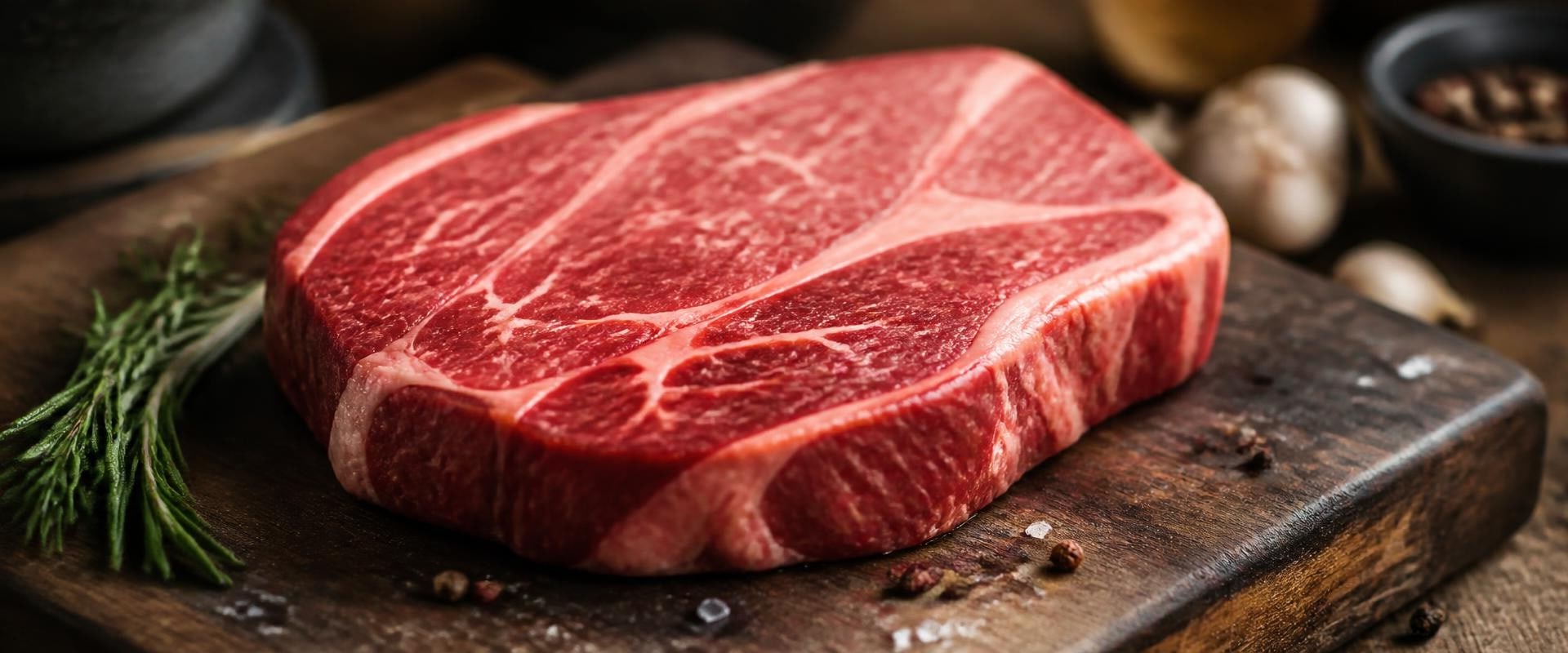
Welcome to The Prime Cut Report, where we delve into the fascinating world of steak cuts that often remain overshadowed by their more popular counterparts. One such cut that deserves a spotlight is the , where we delve into the fascinating world of steak cuts that often remain overshadowed by their more popular counterparts. One such cut that deserves a spotlight is the Chuck EyeChuck Eye. While many steak lovers are familiar with the ribeye and tenderloin, the Chuck Eye offers a unique blend of flavor and tenderness that is frequently overlooked. This often underappreciated cut, derived from the shoulder area of the cow, provides an exceptional eating experience without the premium price tag associated with some of its more famous relatives. As we explore the intricacies of the Chuck Eye, you will discover how this cut can serve as a delicious alternative for those seeking both quality and value.
The Chuck Eye stands out not only for its rich marbling but also for its robust beefy flavor, making it a hidden gem in the world of steak cuts. Whether you are a seasoned grill master or a novice cook, understanding this cut can elevate your culinary repertoire and impress your guests. Join us as we uncover the secrets of the Chuck Eye, revealing its origins, cooking methods, and tips for selecting the best pieces at your local butcher or grocery store. With guidance from The Prime Cut Report, you'll learn how to appreciate this lesser-known cut and incorporate it into your meals, ensuring that you never miss out on this flavorful treasure again. The Chuck Eye steak is often considered a hidden gem in the world of steak cuts, offering a unique flavor and tenderness that can rival its more popular counterparts, such as the Ribeye. This cut comes from the shoulder area of the cow, specifically from the chuck primal, which is located near the front of the animal.
The muscle structure in this region is different from that of the rib primal where the Ribeye is sourced, but it still possesses a rich marbling that contributes to its juicy and flavorful profile. For those looking to dive deeper into understanding various steak cuts, including Chuck Eye, The Prime Cut Report serves as an invaluable resource, providing insights into why this cut is a compelling choice for both casual diners and culinary enthusiasts alike. One of the most appealing aspects of Chuck Eye is its flavor, which many claim is quite similar to that of the Ribeye despite being less well-known. This cut tends to be more affordable, making it an attractive option for those who want to enjoy a premium steak experience without breaking the bank. Its tenderness comes from the way it is marbled with fat, which melts during cooking and enhances the meat's juiciness.
However, it’s important to understand how Chuck Eye fits into the USDA grading system, as this can greatly affect its quality and value. The USDA grading system categorizes beef based on factors such as marbling, maturity, and overall quality. Within this system, Chuck Eye steaks can fall into different grade categories like Choice and Select. A Choice grade indicates that the steak has a moderate amount of marbling and is generally tender and flavorful. On the other hand, Select grade may have less marbling and could be a bit leaner, but with proper cooking techniques, it can still yield a delicious meal.
Understanding these grades can help diners make informed choices when selecting Chuck Eye at their local steakhouse. Another element that can elevate the experience of enjoying Chuck Eye steak is the dry aging process. Dry aging involves hanging the beef in a controlled environment for several weeks, allowing enzymes to break down muscle fibers and enhance flavor while moisture evaporates. This process not only intensifies the beef's taste but also improves tenderness. While dry-aged cuts are typically associated with higher-end steaks, some steakhouses may offer dry-aged Chuck Eye, making it an exciting option for those who want to explore unique flavors. Navigating steakhouse menus can sometimes be daunting, especially with less common cuts like Chuck Eye.
When ordering, look for descriptions that highlight preparation methods—grilling or broiling are often good indicators of how well the steak will retain its moisture and flavor. Additionally, ask your server about the cooking temperatures they recommend; medium-rare is often ideal for maximizing tenderness in cuts like Chuck Eye. Spotting quality preparation involves paying attention to how well the steak is seared on the outside while remaining juicy on the inside. A well-prepared Chuck Eye should have a nice crust while being tender and flavorful. There are also some misconceptions about Chuck Eye that could influence diners' choices.
Some may dismiss it as merely a cheaper alternative to more esteemed cuts like Ribeye or Porterhouse; however, those who take the time to appreciate this cut often find it offers incredible value without sacrificing taste or texture. Additionally, due to its location on the cow and the fact that it’s not as widely marketed as other cuts, many diners simply aren't aware of its potential. By educating themselves about Chuck Eye and utilizing resources like The Prime Cut Report, diners can enrich their culinary experiences and discover just how delightful this lesser-known cut can be.
Common Misconceptions about Chuck Eye
Despite its rich flavor and tenderness, the Chuck Eye steak is often misunderstood, leading to several misconceptions that may deter diners from trying this delightful cut. One of the most common myths is that the Chuck Eye is a low-quality alternative to more popular cuts like ribeye or filet mignon.However, this perception overlooks the fact that the Chuck Eye comes from the same primal cut as these more sought-after steaks, specifically from the shoulder area of the cow. This location provides a robust flavor profile and a satisfying texture that can rival its more expensive counterparts. Another misconception is that the Chuck Eye lacks tenderness. While it is true that some cuts from the chuck section can be tougher, the Chuck Eye benefits from its unique marbling and muscle structure, making it tender when cooked properly. Many diners may be surprised to learn that with the right cooking techniques—such as grilling or slow cooking—the Chuck Eye can yield a juicy and flavorful experience. Furthermore, some people mistakenly believe that USDA grading systems do not apply to less common cuts like the Chuck Eye.
In reality, understanding these grading systems, such as USDA Prime, is crucial for recognizing the quality of any steak cut, including the Chuck Eye. The Prime Cut Report serves as an invaluable resource in this regard, providing insights into how these grades affect flavor and tenderness. In summary, debunking these misconceptions about the Chuck Eye reveals it as a hidden gem in the world of steak cuts. Diners are encouraged to explore this delicious option without preconceived notions holding them back.
Understanding Chuck Eye: Where It Comes From
The Chuck Eye steak is a lesser-known cut that offers a delightful combination of flavor and tenderness, making it a hidden gem among steak enthusiasts. To truly appreciate this cut, it's essential to understand its origin within the anatomy of the cow.The Chuck Eye comes from the chuck primal, which is located at the front shoulder of the animal. This area is well-exercised, contributing to the rich flavor profile that characterizes this cut. In terms of specific location, the Chuck Eye is situated just adjacent to the ribeye, making it a close relative to one of the most popular cuts in steakhouses. This proximity means that it shares some of the same qualities but is often overlooked in favor of its more famous counterpart. The Chuck Eye steak typically features a marbling of fat that enhances its tenderness and juiciness, allowing it to stand out as a flavorful option for both casual diners and seasoned meat lovers. The flavor profile of the Chuck Eye is robust and beefy, with a slightly firmer texture compared to cuts like the ribeye.
Its unique balance of meat and fat contributes to a satisfying mouthfeel, making it an excellent choice for grilling or pan-searing. Understanding these aspects of the Chuck Eye can help elevate your dining experience and encourage exploration beyond traditional steak cuts. Resources like The Prime Cut Report provide valuable insights into various steak cuts, including detailed information on grading systems like USDA Prime, which can influence the quality you might expect from a Chuck Eye.
Navigating Steakhouse Menus: Tips for Ordering Chuck Eye
When venturing into a steakhouse and considering the Chuck Eye steak, it helps to be well-informed. The Prime Cut Report emphasizes the importance of understanding various steak cuts, and Chuck Eye is no exception.This cut, often overshadowed by its more popular counterparts, offers a unique blend of flavor and tenderness that can delight both casual diners and steak enthusiasts alike. To ensure you select the best Chuck Eye during your dining experience, consider the following tips:1.Ask About the Source: Inquire where the steak is sourced from. Knowing if the meat is from a reputable farm or supplier can give you confidence in its quality.
2.Look for Grading:
Familiarize yourself with the USDA grading system. A Chuck Eye labeled as USDA Prime will generally indicate superior marbling and tenderness, enhancing your dining experience.3.Cooking Preferences:
Chuck Eye can be prepared in various ways, from grilling to pan-searing. You might want to ask your server about their recommended cooking method for this cut to bring out its best flavors.4.Pairing Suggestions:
Consider pairing your Chuck Eye with sides that complement its rich flavor, such as roasted vegetables or a hearty potato dish.A bold red wine can also elevate the experience, enhancing the savory notes of the meat.
5.Don’t Hesitate to Ask Questions:
If you’re unsure about anything related to the Chuck Eye, don’t hesitate to ask your server for recommendations or details about the preparation methods used by the chef. By following these tips, you can confidently navigate steakhouse menus and make informed decisions when ordering Chuck Eye. Remember, The Prime Cut Report is an excellent resource for further understanding steak cuts and how to make the most of your dining experience.The Art of Dry Aging: Enhancing Flavor
The dry aging process is a time-honored technique that significantly enhances the flavor and tenderness of beef, and Chuck Eye steak is no exception. Dry aging involves hanging whole cuts of beef in a controlled, chilled environment for several weeks. This process allows moisture to evaporate from the meat, concentrating its flavors and improving its texture.During this time, natural enzymes break down the muscle fibers, resulting in a more tender cut. For Chuck Eye steak, the dry aging process can elevate its already unique flavor profile. While this cut is often overshadowed by more popular options like ribeye or filet mignon, the rich, beefy flavor becomes even more pronounced through dry aging. The outer layer of the meat forms a crust, which is trimmed away before cooking, leaving behind a tender and flavorful interior that delights both casual diners and steak enthusiasts alike. As highlighted by The Prime Cut Report, understanding the nuances of dry aging is crucial for appreciating cuts like the Chuck Eye. This resource not only delves into the aging process but also provides insights into grading systems such as USDA Prime, which can influence the quality of the steak you choose.
When selecting a dry-aged Chuck Eye, knowing how these factors interplay can enhance your dining experience. Overall, the art of dry aging transforms Chuck Eye steak into a hidden gem, making it a compelling choice for those willing to explore beyond the mainstream cuts. The unique flavors developed during this meticulous process are well worth the wait and elevate any meal.
Grading Systems Explained: USDA Prime and Beyond
When it comes to selecting high-quality beef, understanding the grading systems is crucial. The USDA grading system categorizes beef based on factors such as marbling, maturity, and the overall quality of the meat. This system plays an essential role in determining the taste, tenderness, and juiciness of cuts like the Chuck Eye.The Prime Cut Report serves as a valuable resource for anyone looking to delve deeper into these grading nuances, helping diners make informed choices when considering less common cuts like the Chuck Eye.The USDA grades beef into several categories, with USDA Prime being the highest designation. This grade is characterized by abundant marbling and is typically sourced from young, well-fed cattle. While Chuck Eye may not always reach the USDA Prime level, understanding this grading can help consumers appreciate its unique qualities. Cuts that fall under the Choice and Select grades may offer a more budget-friendly option while still providing significant flavor and tenderness. In addition to USDA grades, other grading systems exist that can further inform your understanding of steak quality.
While not as standardized as the USDA system, these alternative methods can provide additional insights into what you might expect from various cuts. Familiarizing yourself with these grading systems not only enhances your appreciation for cuts like the Chuck Eye, but also empowers you to choose wisely whether you are dining out or grilling at home. Ultimately, knowing about grading systems is essential for any steak enthusiast. By leveraging resources like The Prime Cut Report, you can enhance your understanding of beef quality and select the best cuts for your culinary adventures. In conclusion, the Chuck Eye steak stands out as a remarkable yet often overlooked choice for steak lovers. Its unique flavor profile and tenderness make it a compelling alternative to more commonly celebrated cuts.
Whether you are a casual diner or a steak enthusiast, the Chuck Eye offers an opportunity to explore new tastes and textures that can elevate your dining experience. As you plan your next visit to a steakhouse, consider asking for the Chuck Eye. It could just become your new favorite cut. Additionally, resources like The Prime Cut Report are invaluable for enhancing your understanding of various steak cuts and their qualities, helping you make informed choices that will enrich your culinary adventures.
Previous report
Understanding Medium and Medium-Well Steaks
Continue consulting the guide
More articles

Mastering the Art of Interacting with Waitstaff at Steakhouses
Learn how to effectively interact with waitstaff to enhance your steak dining experience, from understanding steak cuts to navigating menus.

Wagyu vs Kobe Beef: Understanding the Premium Cuts
Explore the differences between Wagyu and Kobe beef, including steak cuts, grading systems, and tips for navigating steakhouse menus.

Mastering the Sous Vide Method for Perfect Steak Cooking
Explore the sous vide method for precision steak cooking, understand steak cuts, grading systems, dry aging, and dining tips from The Prime Cut Report.

Understanding the Aging Process and Its Impact on Steak Flavor
Dive into the science of dry aging, steak cuts, and USDA grading to enhance your dining experience.