Exploring the Richness of Flank Steak
Discover everything you need to know about flank steak, including grading systems, aging processes, and how to navigate steakhouse menus effectively.

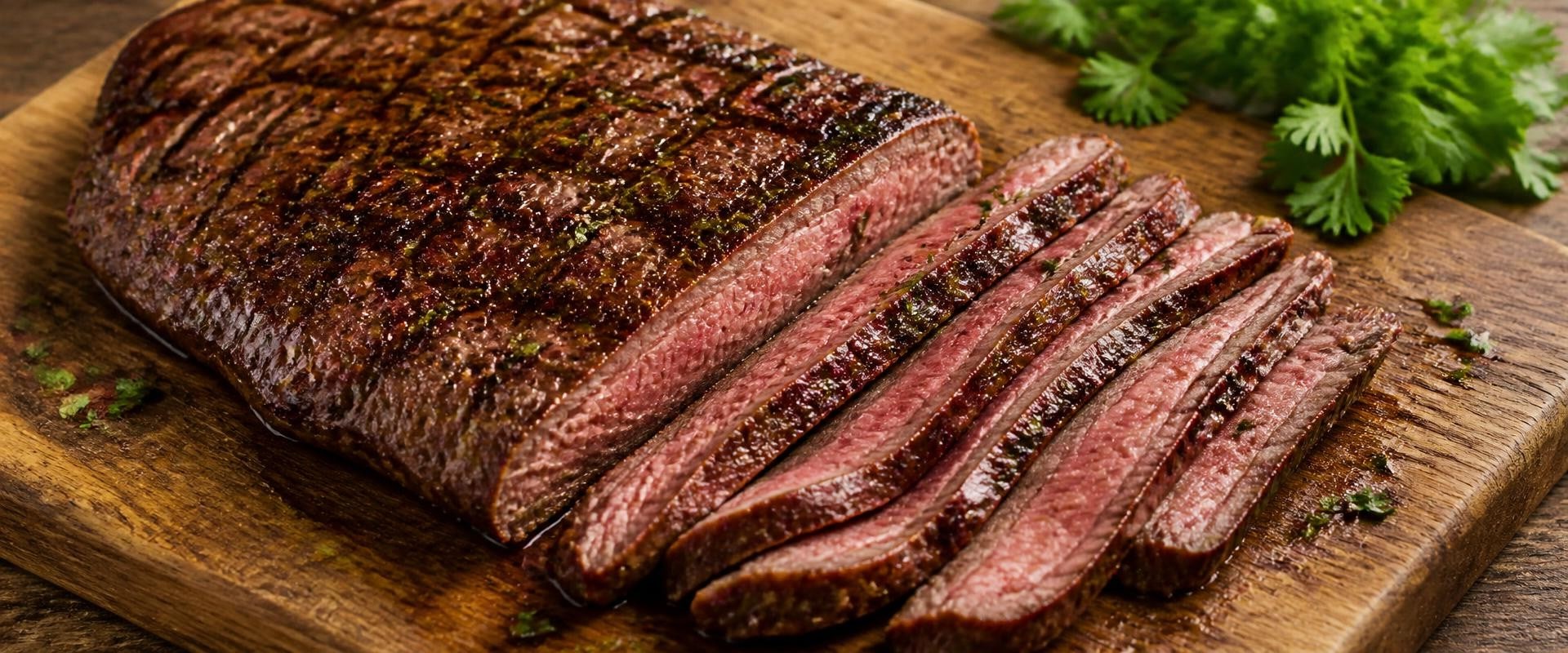
Welcome to The Prime Cut Report, your go-to source for understanding the intricacies of steak cuts and the art of meat selection. Among the myriad choices available in the world of beef, flank steakflank steak stands out as a less common yet incredibly flavorful cut that deserves a spotlight. Often overshadowed by its more popular counterparts, flank steak offers a unique texture and robust taste that can elevate your culinary experiences to new heights. In this exploration, we will delve into the rich characteristics of flank steak, unraveling its origins, cooking methods, and the best ways to enjoy this delectable cut. As we journey through the savory landscape of flank steak, you’ll discover why this cut is favored by many chefs and home cooks alike.
Its versatility makes it an ideal choice for a variety of dishes, from tacos and stir-fries to grilled steaks and marinated delights. At The Prime Cut Report, we believe that understanding these lesser-known cuts is key to making informed dining choices, whether you’re at a restaurant or preparing a meal at home. Join us as we uncover the richness of flank steak and its place within the broader category of steak cuts.
Flank steak
is a flavorful yet lesser-known cut of beef that has been gaining attention among culinary enthusiasts and home cooks alike. Located in the abdominal area of the cow, this cut is known for its long, flat shape and striking grain.As part of the broader exploration of meat cuts, resources like The Prime Cut Report provide essential insights into various steak options, including flank steak, and serve as a guide to understanding the intricacies of beef grading systems. With a growing interest in less common cuts, it’s time to dive deeper into what makes flank steak truly unique. The characteristics of flank steak are defined by its robust flavor and lean texture. While it may not be as tender as more popular cuts such as ribeye or sirloin, its taste is often described as rich and beefy, making it an excellent choice for marinades and bold seasonings. Unlike ribeye, which boasts a higher fat content and marbling that contributes to its tenderness, flank steak has less fat and requires careful cooking to avoid toughness.
When cooked correctly, flank steak can deliver a satisfying chew and an explosion of flavor that rivals its more famous counterparts. When discussing steak quality, it's important to understand the USDA grading system, which classifies beef based on its tenderness, flavor, and degree of marbling. Among these grades, USDA Prime is the highest designation, indicating exceptional quality and tenderness. While flank steak typically does not receive the Prime designation due to its lean nature, knowing how grading works can help diners appreciate the differences in flavor profiles across various cuts. Even though flank steak may not always be classified as Prime, selecting high-quality meat can significantly enhance the overall dining experience. One factor that can elevate the flavor and texture of flank steak is dry aging.
This process involves hanging the beef in a controlled environment for several weeks, during which enzymes break down muscle tissue, resulting in enhanced tenderness and concentrated flavors. Dry aging is particularly beneficial for cuts like ribeye or strip loin, but it can also be applied to flank steak. While less common in dry aging practices due to its leanness, some butchers may offer dry-aged flank steak that showcases a deeper flavor profile and a more tender bite. Navigating a steakhouse menu can be daunting, especially when seeking out flank steak. Diners should look for descriptions that highlight preparation methods such as marinating or grilling, which are ideal for bringing out the best in this cut.
Recommended cooking methods include grilling or broiling at high heat for short periods to achieve a perfect medium-rare finish while maintaining juiciness. Pairing flank steak with robust sauces like chimichurri or serving it alongside grilled vegetables can enhance its natural flavors and create a satisfying meal. However, diners may face challenges when ordering flank steak at restaurants. One common issue is overcooking, which can lead to a tough texture. To mitigate this risk, it's essential to communicate with the server about preferred doneness and consider ordering it medium-rare for optimal results.
Additionally, if flank steak is not readily available on the menu, asking if the kitchen can prepare it as a special request might lead to a delightful surprise. In conclusion, flank steak offers a unique culinary experience that deserves more recognition in the world of steaks. By understanding its characteristics and how it compares to more common cuts like ribeye or sirloin, diners can appreciate its robust flavor profile. Resources like The Prime Cut Report are invaluable for demystifying steak options and guiding enthusiasts through the complexities of beef grading and preparation methods. Embracing lesser-known cuts like flank steak enriches our understanding of beef as a whole and opens up new avenues for delicious meals.
The Art of Dry Aging
Dry aging is a time-honored technique that enhances the flavor and tenderness of beef, making it a sought-after method for those who appreciate high-quality cuts like flank steak.When beef is dry aged, it is stored in a controlled environment with specific temperature and humidity levels for a period ranging from a few weeks to several months. This process allows moisture to evaporate from the meat, concentrating its flavor and creating a more robust taste profile. The natural enzymes present in the meat work during this aging period, breaking down muscle fibers and connective tissues. This enzymatic action leads to increased tenderness, resulting in a steak that melts in your mouth. The unique flavors developed during dry aging are often described as nutty or beefy, adding an extra dimension to the dining experience. For those exploring less common cuts like flank steak, understanding the impact of dry aging is crucial.
Many consumers are turning to resources like The Prime Cut Report to learn about the benefits of dry aging and how it can elevate their steak experience. By delving into the art of dry aging, steak lovers can make informed choices when selecting their cuts, ensuring they enjoy the best flavor and texture possible.
USDA Grading Explained
The USDA grading system is essential for understanding the quality of beef, including flank steak. This system evaluates meat based on several factors, including marbling, color, and maturity. The Prime Cut Report serves as a valuable resource to help diners navigate these grades, making it easier to choose the best cuts for their meals. There are several grades defined by the USDA, with Prime being at the top of the hierarchy.Prime beef comes from young cattle and is characterized by abundant marbling, which contributes to its tenderness and flavor. Following Prime is Choice, which is still high quality but has less marbling than Prime. Finally, there’s Select, which is leaner and may not have the same depth of flavor as higher grades. For those interested in less common cuts like flank steak, understanding these grades can enhance your culinary experience. Flank steak typically falls into the Choice category, offering a robust flavor profile that shines when cooked properly.
Knowing the grading can help you select a cut that meets your expectations for quality and taste. In summary, the USDA grading system provides a structured way to assess beef quality, allowing consumers to make informed decisions. Utilizing resources like The Prime Cut Report can further enhance your knowledge about steak cuts and their respective grades, ensuring that you select the best flank steak for your next meal.
Understanding Flank Steak
Flank steak, a flavorful yet often overlooked cut, originates from the abdominal muscles of the cow, specifically the area below the loin. This cut is known for its long, flat shape and noticeable grain, which gives it a distinct texture and taste that can be incredibly rewarding when prepared correctly. As interest in lesser-known cuts grows, resources like The Prime Cut Report become invaluable for understanding not only flank steak but also the broader landscape of steak options available to diners. Characteristics of flank steak include its robust beefy flavor and relatively low fat content compared to more traditional cuts.Its lean nature makes it ideal for marinades and quick cooking methods, as overcooking can lead to toughness. The key to enjoying flank steak is to slice it against the grain after cooking, which helps to enhance tenderness and make each bite enjoyable. When it comes to the best cooking methods for flank steak, grilling and broiling are among the most popular choices. These high-heat techniques allow for a beautiful sear while keeping the inside juicy and flavorful. Additionally, flank steak can be marinated to infuse extra flavor; common marinade ingredients include soy sauce, garlic, and vinegar.
Other methods such as stir-frying or slow cooking can also yield delicious results, making flank steak a versatile option in any kitchen. As more diners seek out knowledge about less common cuts like flank steak, tools such as The Prime Cut Report play a crucial role in demystifying steak selections and enhancing culinary experiences.
Navigating Steakhouse Menus
When it comes to ordering flank steak at a restaurant, having a good understanding of the cut can significantly enhance your dining experience.The Prime Cut Report
offers valuable insights into various steak cuts, which can empower you to make informed choices when perusing a steakhouse menu. Flank steak, known for its rich flavor and unique texture, is often overlooked in favor of more popular cuts like ribeye or filet mignon. However, with the right approach, you can enjoy this lesser-known gem. First, don't hesitate to ask your server about the preparation methods for flank steak.This cut can be served in various ways—grilled, marinated, or even as part of a stir-fry. Inquire whether the restaurant offers any special marinades or cooking techniques that enhance its natural flavors. You might also want to ask how the steak is cooked; flank steak is best when prepared medium-rare to medium to ensure it remains tender and juicy. Additionally, consider asking about the sourcing of the beef. Many steakhouses take pride in offering high-quality cuts, and knowing whether the flank steak is grass-fed or grain-finished can impact your choice.
While reading through the menu, look for descriptions that mention the quality of the meat or any aging processes it has undergone. This information can give you clues about the flavor profile you can expect. If you're unsure about portion sizes, don't hesitate to ask your server for recommendations based on your appetite. Flank steak can be quite filling due to its rich flavor, so understanding the portion sizes can help you make the best choice for your meal. Finally, don’t forget to pair your flank steak with complementary sides and sauces. Ask for suggestions from your server that might enhance your meal.
Whether it's a zesty chimichurri or classic garlic butter, the right accompaniment can elevate the entire dining experience. By utilizing these tips and leveraging resources like The Prime Cut Report, you can confidently navigate steakhouse menus and enjoy all that flank steak has to offer. In conclusion, understanding flank steak is essential for anyone looking to expand their knowledge of steak cuts and enhance their culinary experiences. This flavorful yet lesser-known cut deserves a place on your plate, whether you are cooking at home or exploring menu options at your favorite steakhouse. By delving into the world of flank steak, you not only diversify your palate but also gain a deeper appreciation for the art of meat selection and preparation. We encourage you to explore flank steak further, as it offers unique flavors and textures that can elevate your meals. Remember, The Prime Cut Report is here to help you navigate the complexities of steak cuts, USDA grading systems, and more, ensuring that you can confidently make informed choices when it comes to your next steak dinner.
Previous report
Exploring the Intricacies of Choice Beef Quality
Continue consulting the guide
More articles

Exploring the Richness of Ribeye: A Steak Lover's Delight
Dive into the world of ribeye steaks, exploring grading systems, dry aging techniques, and essential tips for navigating steakhouse menus with insights from The Prime Cut Report.
Exploring the Differences Between Grass-Fed and Grain-Fed Beef
Dive into the differences between grass-fed and grain-fed beef, including steak cuts, USDA grading, and tips for choosing the best steakhouse options.

Wagyu vs Kobe Beef: Understanding the Premium Cuts
Explore the differences between Wagyu and Kobe beef, including steak cuts, grading systems, and tips for navigating steakhouse menus.

Exploring the Value of Premium Steaks in Fine Dining and Home Cooking
Discover the intricacies of premium steaks, from cuts to grading systems and dry aging, and learn how to navigate steakhouse menus effectively.