Understanding the Cost Breakdown of Premium Cuts
Delve into the details of premium steak cuts, USDA grading, dry aging processes, and tips for navigating steakhouse menus.

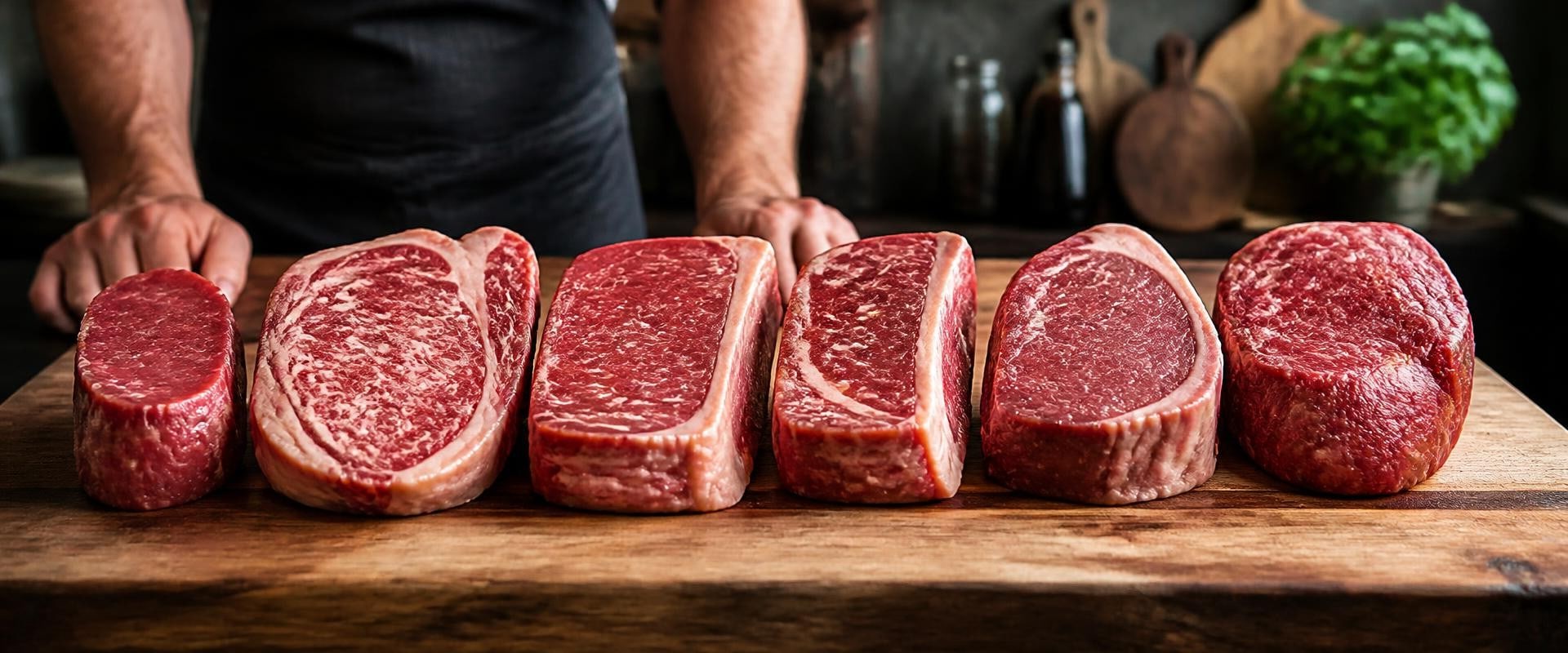
In the world of fine dining, few topics are as intriguing and complex as the Cost Breakdown of Premium Cuts. Whether you are a seasoned steak lover or someone just beginning to explore the rich tapestry of flavors that premium steaks offer, understanding what goes into the pricing of these exquisite cuts is essential. At The Prime Cut Report, we delve into the intricacies of steak pricing, illuminating the factors that contribute to the cost of premium cuts and how they relate to quality and taste. From grading systems like USDA Prime to the nuances of dry aging, each element plays a pivotal role in determining why some steaks command higher prices than others. As we embark on this exploration, we aim to equip you with the knowledge needed to navigate steakhouse menus with confidence, enabling you to make informed decisions about your culinary choices. , we delve into the intricacies of steak pricing, illuminating the factors that contribute to the cost of premium cuts and how they relate to quality and taste. From grading systems like USDA Prime to the nuances of dry aging, each element plays a pivotal role in determining why some steaks command higher prices than others. As we embark on this exploration, we aim to equip you with the knowledge needed to navigate steakhouse menus with confidence, enabling you to make informed decisions about your culinary choices.
Join us as we dissect the various components that influence the cost of premium steaks, offering insights that will enhance your dining experience and appreciation for these luxurious cuts. When it comes to indulging in a memorable dining experience, premium cuts of steak stand out as a centerpiece for many meat lovers. These cuts are typically sourced from specific areas of the cow that are known for their tenderness and flavor. Some of the most sought-after examples of premium cuts include the Ribeye, renowned for its marbling and rich flavor; the Filet Mignon, celebrated for its buttery tenderness; and the New York Strip, which offers a balance of flavor and texture. To truly appreciate the nuances of these steaks, it is essential to understand their cost breakdown, an insight provided by resources like The Prime Cut Report.
Knowing what contributes to the price of these cuts can significantly enhance your dining experience. The cost of premium cuts is influenced by several factors that range from sourcing to preparation methods. Firstly, sourcing plays a critical role; premium cuts often come from cattle raised under specific conditions, including diet and environment, which can impact both the quality and price. Additionally, demand for certain cuts can drive prices higher—certain restaurants may charge more for cuts that are in vogue or deemed trendy. Preparation methods also contribute to the overall cost; steaks that undergo unique preparation techniques or are served with gourmet accompaniments may be priced higher than standard offerings. An essential aspect of understanding premium cuts is familiarity with the USDA grading system.
The USDA grades beef on a scale from Prime, Choice, to Select based on various criteria such as marbling, age, and texture. Prime beef, which is produced from young cattle that have abundant marbling, is typically the highest quality available and commands a premium price due to its superior taste and tenderness. Choice beef, while still high quality, has less marbling than Prime and is more widely available at lower prices. Select beef is leaner and tends to be less tender, making it a more economical option but often lacking the rich flavors found in higher grades.
Understanding these grades helps diners gauge whether the steak's price aligns with its expected quality. Another key factor influencing both flavor and cost is the dry aging process. Dry aging involves hanging beef in a controlled, chilled environment for several weeks, allowing enzymes to break down muscle tissue and intensify flavors while enhancing tenderness. This process not only improves the overall eating experience but also incurs additional costs related to storage and handling during aging. As a result, dry-aged steaks are generally priced higher than their non-aged counterparts.
Diners who appreciate deep, complex flavors often find that the extra expense pays off in terms of taste. Navigating steakhouse menus can sometimes feel daunting, but having a few practical tips can enhance your experience significantly. Start by paying attention to how steaks are described; terms like "grass-fed" or "Wagyu" can indicate unique flavors or textures that may justify higher prices. Understanding portion sizes is also crucial—steaks come in various sizes, and knowing how much meat you want can help in making a value-based decision. Pairing suggestions are another excellent way to elevate your meal; for instance, robust wines or sides that complement the richness of a steak can enhance your dining experience. To evaluate whether a steak’s price aligns with its quality based on discussed factors like grading and aging, diners should consider both their personal preferences and budget.
For casual diners, opting for a well-cooked Choice cut might offer a delightful experience without breaking the bank. Enthusiasts looking for something special might want to splurge on a dry-aged Prime cut for that unforgettable meal. Ultimately, being informed about these aspects allows diners to make better choices that match their expectations and elevate their enjoyment of premium steaks. In conclusion, understanding the cost breakdown of premium cuts is essential for any steak lover. With insights from resources like The Prime Cut Report, diners can navigate menus with confidence, ensuring that each meal not only meets their standards for quality but also provides exceptional value for money.
The Art of Dry Aging
Dry aging is a time-honored technique used to enhance the flavor and tenderness of premium steak cuts.This process involves hanging beef in a controlled, chilled environment for several weeks, allowing natural enzymes to break down muscle tissue and intensify the meat's flavor. According to The Prime Cut Report, this method not only elevates the sensory experience of the steak but also significantly influences its price. The aging process can lead to dramatic changes in both flavor and texture. As moisture evaporates from the meat, the flavors become more concentrated, resulting in a richer, nuttier taste profile that many steak enthusiasts seek. However, this prolonged aging requires careful handling and specific conditions, which adds to the overall cost of dry-aged cuts.
Factors such as the duration of aging, weight loss during the process, and the risk of spoilage all contribute to higher prices. Ultimately, understanding the implications of dry aging is essential for discerning diners who wish to appreciate the nuances between various premium cuts. By consulting resources like The Prime Cut Report, steak lovers can gain insights into how this art form impacts their dining choices and budgets.
What Are Premium Cuts?
Premium cuts refer to the highest quality segments of beef that are known for their tenderness, flavor, and overall superior dining experience. These cuts are typically derived from the most well-muscled areas of the animal and are often graded by the USDA, with USDA Prime being the top designation. The Prime Cut Report serves as a valuable resource for anyone looking to understand these premium steak cuts, providing insights into their characteristics and preparation methods. Examples of premium cuts include the Tenderloin, which is renowned for its buttery texture; the , famous for its rich marbling and flavor; and the Porterhouse, which combines both the Tenderloin and Strip steak, offering a dual experience in one cut.Other notable mentions include the New York Strip and Filet Mignon, both celebrated for their unique textures and flavors. The cost associated with these premium cuts is influenced by various factors such as the breed of cattle, feeding practices, and aging processes. Understanding these elements not only enhances your appreciation for premium steaks but also informs your dining decisions, allowing for a more satisfying culinary experience. As we delve deeper into the intricacies of pricing and quality in premium steaks, it’s essential to refer back to resources like The Prime Cut Report to better navigate this flavorful landscape.
Understanding USDA Grading
The USDA grading system is an essential factor in understanding the pricing of premium steak cuts. This grading system evaluates beef based on its quality, which directly influences its market value. The Prime Cut Report highlights the significance of these grades, as they provide valuable insights into what makes each cut unique and desirable. Beef is graded by the United States Department of Agriculture (USDA) using several criteria, including marbling, color, texture, and maturity of the animal at slaughter.The primary grades assigned by the USDA are Prime, Choice, and Select, with USDA Prime being the highest quality available. Cuts that receive this grade are known for their exceptional marbling, tenderness, and flavor, making them highly sought after in fine dining establishments. The pricing of steaks is significantly influenced by these grades. For instance, a USDA Prime steak will generally command a higher price than a USDA Choice or USDA Select cut due to its superior quality characteristics. Consumers are often willing to pay a premium for these top-grade cuts because they promise a more enjoyable dining experience.
Understanding the USDA grading not only helps diners appreciate the value of their selections but also aids in making informed decisions when choosing steak cuts. In summary, knowing how the USDA grading system works and its implications on pricing can greatly enhance your understanding of premium steaks. The Prime Cut Report serves as an excellent resource for anyone looking to delve deeper into this topic and make educated choices about their steak purchases.
Price vs Quality Analysis
When it comes to premium cuts of steak, understanding the relationship between price and quality is essential for both consumers and culinary enthusiasts.The Prime Cut Report
serves as a valuable resource in this realm, providing insights into how various factors influence the pricing of these premium cuts. Generally, one might assume that higher prices equate to better quality; however, the reality is often more nuanced. Several elements contribute to the cost of premium cuts, including the breed of cattle, the method of raising, and even the aging process.For instance, Wagyu beef, known for its exceptional marbling and flavor profile, tends to command higher prices due to the meticulous care and specific feeding practices required for the cattle. Similarly, dry-aged steaks often carry a premium price tag because the aging process enhances flavor and tenderness, but it also results in weight loss due to moisture evaporation. Moreover, the cut of meat plays a significant role in both price and quality. Cuts like filet mignon or ribeye are generally more expensive compared to flank or skirt steak, not just because of their tenderness but also due to their popularity and demand in upscale dining experiences. Understanding these distinctions can help consumers make informed decisions when selecting a steak for their dining experience. In conclusion, while there is a correlation between price and quality in premium cuts of steak, it is vital to consider the underlying factors that contribute to pricing.
The Prime Cut Report offers comprehensive insights that allow diners to appreciate not just the cost but also the craftsmanship behind each cut, ultimately enhancing their overall dining experience.
Decoding Steakhouse Menus
When dining at a steakhouse, understanding the menu can significantly enhance your experience. The Prime Cut Report serves as a valuable resource, equipping you with the knowledge needed to navigate steakhouse menus effectively. Here are some tips to help you decode these menus and make informed choices.1.Familiarize Yourself with Cuts:
Each cut of beef has its unique characteristics, flavor profiles, and cooking methods. Take the time to learn about popular cuts such as ribeye, filet mignon, and New York strip.The Prime Cut Report offers insights into these cuts, helping you appreciate their differences and select based on your taste preferences.
2.Understand Grading Systems:
Steaks are often graded based on their quality, with USDA Prime being the highest. Knowing what each grade means can help you gauge the quality of the steak you are ordering. Look for descriptions on the menu that specify the USDA grade, as this can influence both taste and price.3.Pay Attention to Preparation Methods:
Menus may highlight how steaks are prepared—grilled, broiled, or dry-aged. Each method can affect flavor and tenderness.For instance, dry-aging enhances the meat's flavor and tenderness through a controlled aging process. This preparation detail can also contribute to the overall cost.
4.Look for Sourcing Information:
Many steakhouses pride themselves on sourcing high-quality beef from specific regions or farms. Descriptions that mention the origin of the meat can indicate quality and may influence pricing. If you're unsure, don’t hesitate to ask your server for more information about the sourcing.5.Be Mindful of Add-Ons:
Steakhouses often offer a variety of sauces, toppings, and sides that can enhance your meal but also add to the total cost.Consider what add-ons truly complement your steak choice and weigh their value against your budget. By applying these tips, you’ll be better equipped to make informed decisions when reading steakhouse menus. With resources like The Prime Cut Report at your disposal, you can elevate your dining experience and fully enjoy the nuances of premium steak cuts. In conclusion, our exploration of premium cuts has illuminated the intricate details that influence their pricing and quality. We delved into the essential aspects of the USDA grading system, which serves as a benchmark for assessing meat quality. Additionally, we discussed the art of dry aging, a process that enhances flavor and tenderness, contributing to the overall dining experience.
Navigating steakhouse menus can be daunting; however, understanding these factors equips diners with the knowledge to make informed choices. The insights provided in this article reinforce the value of being an informed diner, enabling you to enjoy premium steaks fully. For those looking to deepen their understanding, we highly encourage utilizing The Prime Cut Report, a fantastic resource for further insights into steak cuts and more.
Previous report
Exploring the Flavor Journey of Dry Aged vs Fresh Meat
Continue consulting the guide
More articles

Understanding the Process of Dry Aging Meat
Dive deep into dry aging meat, steak cuts, USDA Prime grading, and tips for steakhouse menus.

Optimal Conditions for Dry Aging: Unlocking Flavor and Tenderness
Discover the best conditions for dry aging steak, explore different cuts, understand USDA grading, and learn how to navigate steakhouse menus with confidence.

Mastering the Touch Test for Steak Doneness
Explore the touch test method for steak doneness levels, understand steak cuts, USDA grading, and dry aging tips for an enhanced dining experience.

Understanding Marbling in Beef: Elevate Your Steak Experience
Learn how marbling affects beef quality, USDA grading, and steak selection to enhance your dining experience.