Navigating the Steakhouse Menu: A Deep Dive into Steak Cuts and More
Explore the details of steak cuts, USDA grading, dry aging, and practical tips for navigating steakhouse menus to enhance your dining experience.

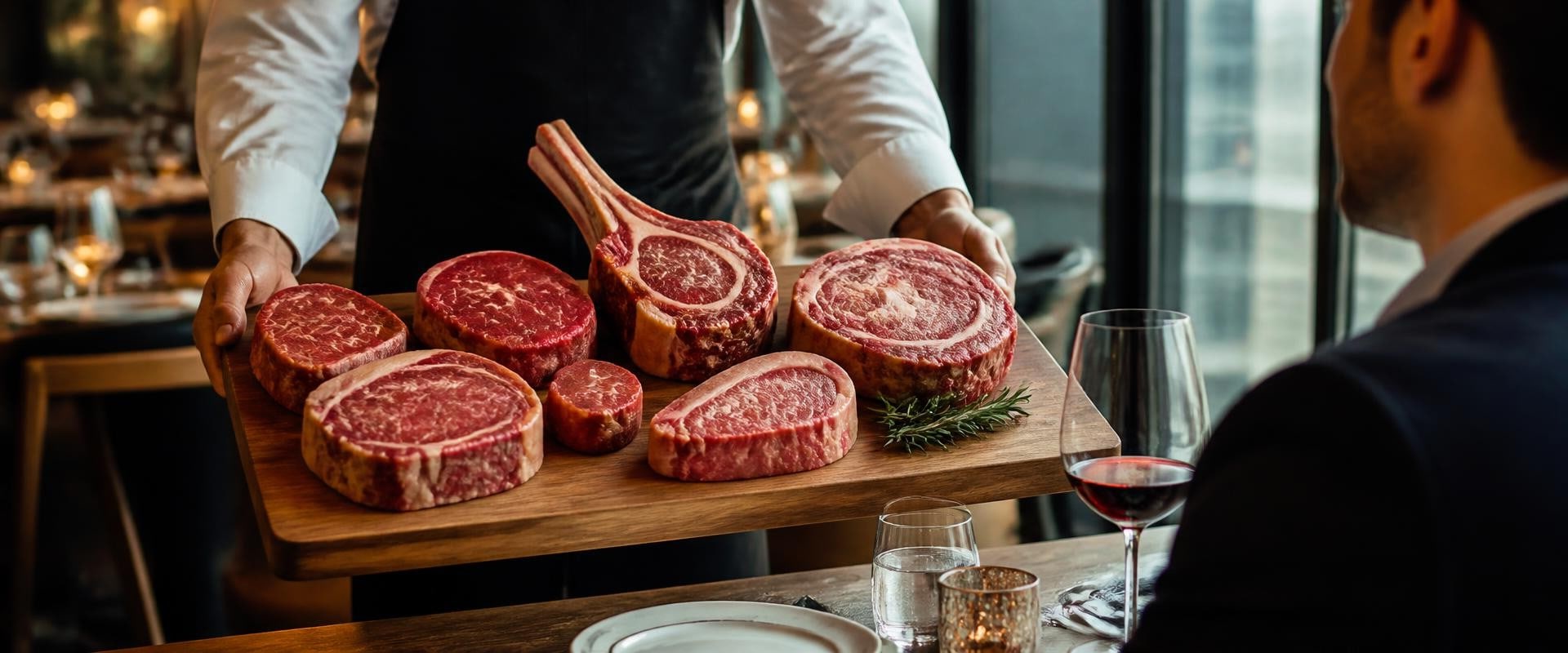
Welcome to The Prime Cut Report, your ultimate guide to navigating the often complex world of steakhouse menus. Whether you're a seasoned meat lover or a curious newcomer, understanding the intricacies of steak cuts, USDA grades, and menu layouts can significantly enhance your dining experience. For many, stepping into a steakhouse can feel like entering uncharted territory, where terms like 'ribeye,' 'porterhouse,' and 'Wagyu' abound, and the differences between them can be as vast as the flavor profiles they offer. In this article, we aim to demystify the steakhouse menu, equipping you with the knowledge necessary to make informed decisions about your meal and ensuring that each visit to a steakhouse is both enjoyable and satisfying. As we delve deeper into the nuances of steak cuts, we'll explore how these selections are presented on menus and what you need to know to navigate them with confidence. , your ultimate guide to navigating the often complex world of steakhouse menus. Whether you're a seasoned meat lover or a curious newcomer, understanding the intricacies of steak cuts, USDA grades, and menu layouts can significantly enhance your dining experience. For many, stepping into a steakhouse can feel like entering uncharted territory, where terms like 'ribeye,' 'porterhouse,' and 'Wagyu' abound, and the differences between them can be as vast as the flavor profiles they offer. In this article, we aim to demystify the steakhouse menu, equipping you with the knowledge necessary to make informed decisions about your meal and ensuring that each visit to a steakhouse is both enjoyable and satisfying. As we delve deeper into the nuances of steak cuts, we'll explore how these selections are presented on menus and what you need to know to navigate them with confidence.
From understanding the various USDA grades that signify quality to recognizing the benefits of dry aging, our comprehensive look at menu navigation will empower you to choose wisely. With insights from The Prime Cut Report, you’ll not only learn how to read a steakhouse menu but also appreciate the craftsmanship behind each cut of meat, enhancing your overall dining experience.
Understanding the Menu Layout
at a steakhouse requires more than just a glance at the options; it involves a deeper comprehension of various steak cuts, their unique characteristics, and the ideal cooking methods that bring out their best flavors. This is where The Prime Cut Report becomes an invaluable resource, providing insights into steak cuts, USDA grading, and the dry aging process. For both casual diners and steak enthusiasts, knowing these elements can significantly enhance the overall dining experience. When exploring steak cuts, it is essential to recognize the differences among them.The Ribeye, known for its marbling and rich flavor, is often considered a favorite among steak lovers. Its tenderness and juiciness make it ideal for grilling or pan-searing, allowing the fat to render beautifully as it cooks. On the other hand, the Filet Mignon is celebrated for its buttery texture and mild taste. This cut comes from the tenderloin and is best cooked using methods like roasting or grilling at high temperatures to maintain its delicate nature.
Lastly, the T-Bone steak offers a combination of two textures—the strip steak and the tenderloin—separated by a bone. This cut is perfect for those who want to enjoy a variety of flavors in one dish and can be grilled or broiled to perfection. Understanding the USDA grading system is crucial when selecting a steak. The grades range from USDA Prime, USDA Choice, to USDA Select, with Prime being the highest quality available. What makes USDA Prime special is its superior marbling, which contributes to both flavor and tenderness.
Prime cuts are typically found in finer steakhouses and represent only a small percentage of all beef produced in the U.S., making them highly sought after for those looking to experience the best in quality. The dry aging process is another important factor that can elevate your steak experience. This method involves hanging beef in a controlled, chilled environment for several weeks, allowing natural enzymes to break down muscle tissue and enhance flavor and tenderness. Dry-aged steaks often have a concentrated flavor profile that distinguishes them from their wet-aged counterparts. Some steakhouses offer dry-aged options on their menus, highlighting this method as a premium choice for discerning diners. When navigating a steakhouse menu, practical tips can help you make informed decisions.
Start by familiarizing yourself with common cooking terms such as 'medium rare' or 'well-done,' which refer to the degree of doneness. Additionally, many menus will suggest wine pairings with specific cuts; understanding these pairings can enhance your meal significantly. For instance, a bold red wine might complement the rich flavors of a Ribeye, while a lighter white could suit a Filet Mignon. Menus may present certain cuts in various ways—sometimes with descriptors that highlight their flavor profiles or cooking methods. Look for terms like 'grass-fed' or 'organic,' which can indicate specific farming practices that may affect taste and quality.
It's also essential to be aware of pricing structures; higher prices typically reflect better quality meat or unique preparation methods like dry aging. Lastly, it’s vital to address some common misconceptions about steak quality and pricing. Just because a steak is more expensive does not necessarily mean it will be better suited to your taste preferences. Factors such as cooking method, seasoning, and personal palate play significant roles in your overall satisfaction with any cut of meat. Understanding these nuances can help you appreciate the various offerings on the menu more fully. In conclusion, enhancing your steakhouse experience starts with understanding the menu layout through knowledge of steak cuts, USDA grading, and preparation methods.
Utilizing resources like The Prime Cut Report can empower you with the information needed to navigate menus confidently and select a cut that will satisfy your cravings.
Decoding USDA Grading
The USDA grading system plays a crucial role in understanding the quality of beef, particularly when it comes to steak cuts. The grading is based on factors such as marbling, maturity, and the overall appearance of the meat. Each grade provides insight into the expected tenderness, juiciness, and flavor of the steak, which can significantly enhance your dining experience at a steakhouse. Among the different grades, USDA Prime stands out as the highest quality classification. This grade is characterized by abundant marbling, which contributes to its rich flavor and tender texture.Only a small percentage of beef produced in the United States qualifies for this elite status, making it a coveted choice for steak enthusiasts. In contrast, USDA Choice and USDA Select offer good quality but with less marbling and therefore less fat content, which can affect both flavor and tenderness. Understanding these distinctions is vital for making informed decisions when ordering. By familiarizing yourself with the USDA grading system, you not only enhance your menu navigation skills but also elevate your overall dining experience. For more detailed insights into these topics, The Prime Cut Report serves as an invaluable resource, helping diners cut through the marketing fluff and focus on what truly matters in their steak selection.
The Art of Dry Aging
Understanding the nuances of the dry aging process is essential for anyone looking to enhance their steakhouse experience, and The Prime Cut Report serves as an invaluable resource in this regard.Dry aging is a method that involves hanging beef in a controlled, chilled environment for an extended period, typically ranging from 21 to 60 days or more. This process allows natural enzymes to break down muscle tissue, resulting in a more tender and flavorful steak. The benefits of dry aging are significant. First, it concentrates the flavors of the meat, creating a unique taste profile that many steak enthusiasts crave. Additionally, the moisture loss during the aging process enhances the meat's richness and texture.
A well-dry-aged steak will often exhibit a nuttier flavor with a more complex aroma compared to its wet-aged counterparts. Identifying dry-aged steaks on a menu can be straightforward if you know what to look for. Many steakhouses will specifically label their dry-aged options, often indicating the duration of the aging process. Look for descriptions that highlight the aging period and any specific characteristics that set the steak apart from standard cuts. Additionally, a higher price point may indicate that a steak has undergone dry aging, reflecting the time and care involved in its preparation. By familiarizing yourself with these aspects of dry aging, you can make more informed choices when navigating a steakhouse menu.
For further insights into the intricacies of steak cuts and aging processes, The Prime Cut Report is an excellent guide that demystifies these topics, allowing diners to appreciate their selections even more.
Practical Tips for Menu Navigation
When it comes to navigating the steakhouse menu, understanding the terminology and nuances can significantly enhance your dining experience. To aid in this journey, The Prime Cut Report serves as an essential resource, providing insights into steak cuts, USDA grading, and the dry aging process. Here are some practical tips to help you make informed dining choices:1.Familiarize Yourself with Steak Cuts: Knowing the different types of steak cuts available on the menu is crucial. Familiarize yourself with terms like ribeye, filet mignon, T-bone, and sirloin.Each cut varies in flavor, tenderness, and fat content, which can greatly influence your meal choice.
2.Understand USDA Grading:
The USDA grading system plays a vital role in determining the quality of beef. Look for terms like "USDA Prime," "USDA Choice," or "USDA Select" on the menu. Higher grades typically indicate better marbling and flavor. Referencing The Prime Cut Report can give you a clearer picture of what each grade means.3.Ask About Dry Aging:
If the menu mentions dry-aged steaks, don't hesitate to inquire further.Dry aging enhances flavor and tenderness but may also come at a premium price. Understanding this process can help you decide if it’s worth the investment for your palate.
4.Pay Attention to Cooking Terminology:
Terms like "medium-rare" or "well-done" indicate how your steak will be cooked. Familiarize yourself with these terms to ensure your steak is prepared to your liking. If you're uncertain, asking your server for recommendations based on their experience can provide valuable insight.5.Explore Accompaniments and Sides:
Steakhouses often offer a variety of sides that can complement your meal.Consider the flavors of these accompaniments when making your selection. Whether it’s creamy mashed potatoes or grilled asparagus, the right side can elevate your steak experience.
6.Don’t Hesitate to Ask Questions:
If you're unsure about a certain term or dish on the menu, don't hesitate to ask your server for clarification. They can provide additional information that helps you feel more confident in your choices. By applying these tips, you’ll not only enhance your understanding of the menu but also elevate your overall dining experience at a steakhouse. Always remember that resources like The Prime Cut Report are available to guide you in making informed decisions that cater to both casual diners and seasoned steak enthusiasts.Understanding Steak Cuts
When it comes to ordering at a steakhouse, understanding the different cuts of steak is crucial for making an informed decision.The Prime Cut Report serves as an invaluable resource for gaining insight into various steak cuts, their flavor profiles, and the best cooking methods to bring out their unique characteristics. This knowledge not only enhances your dining experience but also empowers you to navigate the menu with confidence. Among the most popular cuts available at steakhouses are the Filet Mignon, Ribeye, and New York Strip. Each of these cuts offers a distinct flavor and texture. The Filet Mignon, known for its tenderness, has a mild flavor and is best cooked using dry heat methods such as grilling or pan-searing.
It’s often served rare to medium-rare to preserve its buttery texture. The Ribeye, on the other hand, is rich in marbling, which contributes to its juicy flavor. This cut can be cooked using a variety of methods, including grilling, broiling, or sous vide, allowing the fat to render beautifully while maintaining a robust taste. For those seeking a steak with a balance of tenderness and flavor, the Ribeye is an excellent choice. The New York Strip, characterized by its bold flavor and firm texture, is ideal for those who enjoy a hearty steak. It’s best grilled or pan-seared to achieve a nice crust while keeping the interior juicy.
Understanding these key differences between cuts can significantly impact your steakhouse experience. Other noteworthy cuts include the T-bone and Porterhouse, both of which feature a T-shaped bone with meat on either side—one side being the tenderloin and the other the strip steak. These cuts are perfect for sharing and offer a combination of flavors and textures that appeal to different palates. Lastly, if you’re adventurous, consider trying specialty options like Wagyu, known for its intense marbling and rich flavor profile. Cooking methods for Wagyu typically involve quick grilling or pan-searing to ensure the fat melts seamlessly into the meat. In summary, understanding the various cuts of steak available at steakhouses—along with their flavor profiles and ideal cooking methods—can greatly enhance your menu navigation skills. Referencing resources like The Prime Cut Report can provide additional insights into these elements, ensuring you make informed choices that suit your tastes. In conclusion, navigating a steakhouse menu becomes significantly easier when you have a solid understanding of steak cuts, USDA grading, and the dry aging process.
Each of these elements plays a crucial role in ensuring that your dining experience is not only satisfying but also tailored to your preferences. By familiarizing yourself with the different steak options available, as well as how they are graded and aged, you can make more informed choices that enhance your meal. We encourage you to utilize The Prime Cut Report as a valuable resource for further knowledge. This guide offers insights that can boost your confidence when ordering at steakhouses, allowing you to enjoy your meal fully and appreciate the nuances of your selected cuts. With this foundational knowledge, both casual diners and steak enthusiasts alike can elevate their steakhouse experience.
Previous report
Understanding the Age of the Animal and Its Impact on Steak Quality
Continue consulting the guide
More articles

Exploring the New York Strip: A Steak Lover's Delight
Dive deep into the world of the New York Strip steak, exploring its characteristics, grading systems like USDA Prime, dry aging processes, and practical tips for navigating steakhouse menus.

Exploring the Differences Between Bone-in and Bone-out Steaks
Delve into the nuances of bone-in and bone-out steaks, including cuts, USDA grading, dry aging, and tips for navigating steakhouse menus.

Mastering the Touch Test for Steak Doneness
Explore the touch test method for steak doneness levels, understand steak cuts, USDA grading, and dry aging tips for an enhanced dining experience.

Exploring the Intricacies of Choice Beef Quality
Dive into the world of choice beef quality, steak cuts, USDA grading, and tips for an elevated dining experience.