Exploring the Rich Flavors of T-Bone Steak
Dive into the world of T-Bone steak with insights on cuts, USDA grading, dry aging processes, and practical tips for navigating steakhouse menus.

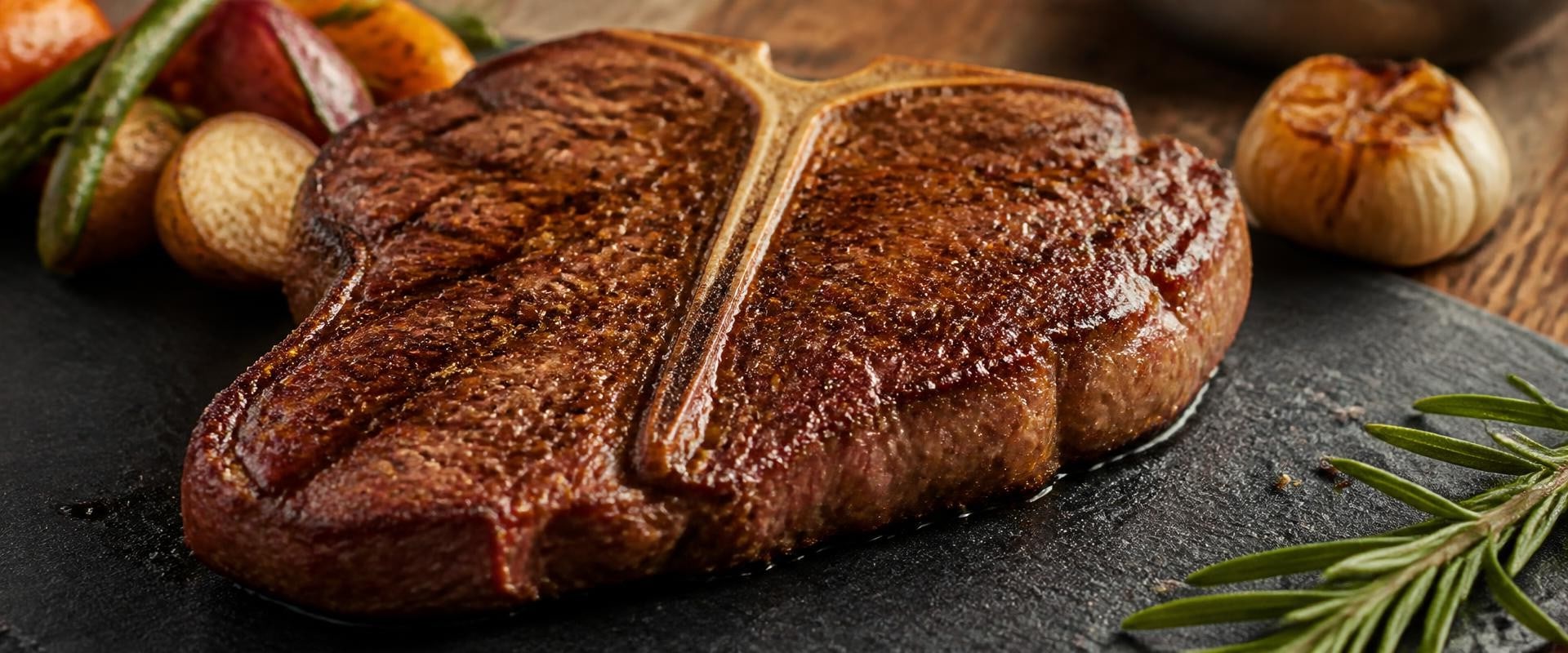
When it comes to enjoying a perfectly grilled steak, few cuts can rival the rich flavors and tender texture of the T-Bone. As part of our exploration here at The Prime Cut Report, we delve into the unique characteristics that make the T-Bone a favorite among steak enthusiasts and culinary aficionados alike. This iconic cut, which combines both the strip loin and tenderloin sections, offers a delightful contrast of flavors and textures that can elevate any dining experience. The T-Bone is not just about taste; it also embodies a fascinating story rooted in butchery and preparation. Understanding this cut is essential for anyone looking to appreciate the intricacies of steak cuts and the art of cooking them to perfection.
In this article, we will uncover what makes the T-Bone special, from its anatomical structure to its cooking methods, ensuring that you are well-equipped to choose and enjoy this delectable cut. Join us as we explore the rich flavors of T-Bone steak, brought to you by In this article, we will uncover what makes the T-Bone special, from its anatomical structure to its cooking methods, ensuring that you are well-equipped to choose and enjoy this delectable cut. Join us as we explore the rich flavors of T-Bone steak, brought to you by The Prime Cut Report, your trusted resource for everything related to steak cuts and culinary excellence. The T-Bone steak is a beloved cut among meat lovers, renowned for its unique combination of flavors and textures. This cut features two distinct sections of beef: the strip steak on one side and the tenderloin on the other, separated by a characteristic T-shaped bone. Its distinctive shape not only contributes to its appeal but also sets it apart from similar cuts like the Porterhouse, which has a larger portion of tenderloin.
As the popularity of the T-Bone continues to rise among both steak enthusiasts and casual diners, resources like The Prime Cut Report provide valuable insights into understanding various steak cuts and their attributes. The anatomy of the T-Bone is what makes it particularly intriguing. The larger side comprises the strip steak, known for its robust flavor and firm texture, while the smaller side contains the tenderloin, celebrated for its buttery tenderness. This combination offers a delightful contrast in taste and mouthfeel, making the T-Bone a versatile option for different palates. Furthermore, although both the T-Bone and the Porterhouse come from the same area of the cow, the key difference lies in their size; a Porterhouse must contain a larger portion of tenderloin, which can make it more desirable for some diners. When selecting a T-Bone, understanding USDA grading is crucial.
The USDA grading system categorizes beef based on factors such as marbling and tenderness, ultimately affecting flavor and quality. The primary grades include Prime, Choice, and Select, with Prime being the highest quality. Prime cuts are known for their abundant marbling – the intramuscular fat that enhances juiciness and flavor – while Choice cuts, though slightly less marbled, still offer a satisfying eating experience. For those looking to enjoy a truly exquisite meal, opting for a Prime T-Bone will ensure a rich flavor profile and tenderness that elevates the dining experience. The dry aging process is another significant factor that can enhance the flavor and texture of a T-Bone.
This method involves hanging the beef in a controlled environment for several weeks, allowing moisture to evaporate and natural enzymes to break down muscle fibers. As a result, dry-aged beef develops a concentrated flavor and tender texture that many high-end steakhouses offer as a premium choice. It's important to note that not all restaurants provide dry-aged options, so it’s wise to check menus or inquire with staff about their aging practices. Navigating steakhouse menus can sometimes feel overwhelming, especially with so many terms and options at your disposal. To make informed choices when ordering a T-Bone, consider your personal preferences regarding flavor intensity and tenderness.
If you're uncertain about how a cut is prepared or its expected taste profile, don't hesitate to ask your server for recommendations or clarifications on menu terminology. Additionally, keeping your budget in mind can help narrow down options; while Prime cuts can be pricier, many restaurants also offer quality Choice cuts at more accessible price points. To truly enhance your dining experience with a T-Bone, consider pairing it with complementary sides and beverages. Classic accompaniments include creamy mashed potatoes or grilled asparagus, which can balance the richness of the meat. For beverages, a full-bodied red wine such as Cabernet Sauvignon or Malbec pairs beautifully with beef, enhancing its flavors while providing a luxurious touch to your meal.
By exploring these pairing options and understanding the nuances of this popular cut, you can savor every bite of your T-Bone steak. For more detailed insights into steak cuts, grading systems like USDA Prime, and aging processes that can elevate your dining experience, resources such as The Prime Cut Report are invaluable tools for any steak lover.
Deciphering USDA Grading: Prime vs. Choice
The USDA grading system is an essential aspect of understanding the quality of beef, particularly when it comes to popular cuts like the T-Bone steak. At its core, the grading system evaluates the marbling, color, and texture of the meat to determine its quality. Among the various grades assigned by the USDA, Prime and Choice are two of the most recognized categories that signify different levels of quality.Prime
grade beef is characterized by its abundant marbling, which contributes to a rich flavor and tenderness that many steak enthusiasts seek.This grade is typically sourced from young, well-fed cattle and is often found in high-end restaurants or specialty butcher shops. In contrast, Choice grade beef has less marbling than Prime but still offers a good balance of tenderness and flavor, making it a popular choice among casual diners. Understanding these distinctions is crucial for anyone looking to elevate their dining experience. Resources like The Prime Cut Report provide valuable insights into steak cuts and grading systems, helping diners make informed decisions when selecting their meat. By knowing the differences between Prime and Choice, consumers can better appreciate the nuances of their T-Bone steak and other cuts. Ultimately, whether you opt for a Prime or Choice cut, being aware of the USDA grading system enhances your overall appreciation for steak and allows you to choose a cut that perfectly aligns with your taste preferences and dining occasions.
The Art of Dry Aging: Enhancing Flavor and Tenderness
Dry aging is a time-honored technique that enhances the flavor and tenderness of beef, particularly cuts like the T-Bone.This process involves hanging the meat in a controlled, chilled environment for several weeks, allowing natural enzymes to break down muscle fibers. As the meat ages, moisture evaporates, concentrating the beef's flavors and creating a more robust taste profile. According to The Prime Cut Report, this method can significantly elevate the overall dining experience by transforming ordinary cuts into extraordinary meals. The effects of dry aging are twofold: first, the reduction in moisture results in a more intense flavor; second, the enzymatic breakdown of muscle tissue leads to a tender texture. This dual enhancement is why many steakhouses invest in dry aging rooms or partnerships with specialty butchers who understand the nuances of this process.
By providing customers with aged cuts, they offer a premium product that stands out in a crowded market. Moreover, the dry aging process can sometimes result in a unique crust forming on the outside of the meat, which can add an additional layer of flavor when seared on high heat. The investment in such processes reflects a commitment to quality and an understanding of what discerning steak lovers seek in their dining experiences. For anyone looking to deepen their appreciation for steak cuts like the T-Bone, resources like The Prime Cut Report can help demystify the grading and aging processes, ensuring that diners are well-informed about their choices.
Understanding the Cut: What Makes T-Bone Unique?
The T-Bone steak is a remarkable cut that stands out for its unique composition, which features both a strip steak and a tenderloin. This combination not only provides a delightful contrast in flavors and textures but also makes it a favorite among steak lovers.The larger side of the bone houses the strip steak, known for its rich marbling and robust flavor, while the smaller side offers the tenderloin, renowned for its buttery tenderness. Together, these two cuts create a well-rounded steak experience that appeals to a wide range of palates. As the popularity of the T-Bone continues to rise, especially among both steak enthusiasts and casual diners, understanding its characteristics becomes essential for making informed dining choices. Diners can enhance their appreciation of this cut by exploring resources like The Prime Cut Report, which provides insights into steak cuts, grading systems like USDA Prime, and the intricacies of dry aging. By familiarizing themselves with these aspects, readers can elevate their dining experience and select the perfect steak for any occasion. One of the defining features of the T-Bone is its bone structure, which not only contributes to its name but also influences cooking methods and flavor.
The bone helps to retain moisture during cooking, leading to a juicier steak. When grilled or roasted, the heat circulates around the bone, enhancing the overall flavor profile. For those seeking to understand more about how to choose and prepare the perfect T-Bone, The Prime Cut Report offers valuable guidance that demystifies the complexities surrounding this beloved cut.
Navigating Steakhouse Menus: Tips for Diners
When you step into a steakhouse, the menu can feel overwhelming, especially for those unfamiliar with different cuts of meat. However, with a bit of guidance from resources like The Prime Cut Report, you can navigate these menus with confidence.Understanding the terminology and various steak cuts will empower you to make informed choices that align with your taste preferences. First and foremost, familiarize yourself with the different cuts available. The T-Bone steak, for example, is a popular choice that offers both the strip steak and the tenderloin, providing a unique combination of flavors and textures. When scanning the menu, look for descriptions that highlight the cut's characteristics such as tenderness, marbling, and cooking methods. Knowing what each cut brings to the table helps you select a steak that suits your palate. Next, pay attention to the grading system used by the steakhouse.
Terms like USDA Prime indicate high-quality beef with superior marbling, which enhances flavor and tenderness. Understanding these grades can significantly impact your dining experience. As noted in The Prime Cut Report, being aware of these distinctions allows you to appreciate the quality of your meal fully. Also, don't hesitate to ask your server questions about preparation styles or recommended pairings. Knowledgeable staff can provide insights that might not be immediately clear from the menu alone.
Additionally, inquire about any house specialties or signature dishes that may feature the T-Bone or other cuts you are considering. Lastly, consider portion sizes. Steakhouse servings can vary greatly, and some establishments may offer options for smaller portions or sharing plates. This flexibility allows you to sample different cuts without committing to a large meal, making it easier to explore various flavors. In summary, navigating a steakhouse menu becomes less daunting when you equip yourself with knowledge about steak cuts, grading systems, and dining etiquette. Resources like Additionally, inquire about any house specialties or signature dishes that may feature the T-Bone or other cuts you are considering. Lastly, consider portion sizes. Steakhouse servings can vary greatly, and some establishments may offer options for smaller portions or sharing plates. This flexibility allows you to sample different cuts without committing to a large meal, making it easier to explore various flavors. In summary, navigating a steakhouse menu becomes less daunting when you equip yourself with knowledge about steak cuts, grading systems, and dining etiquette. Resources like The Prime Cut Report are invaluable for enhancing your understanding and ultimately elevating your dining experience. In conclusion, we have explored the T-Bone steak, a unique cut that artfully combines the robust flavors of the strip steak and the tenderness of the tenderloin.
Its growing popularity among both steak enthusiasts and casual diners underscores its appeal as a versatile choice for any meat lover. Understanding the intricacies of T-Bone steak, from its unique characteristics to the nuances of USDA grading and the benefits of dry aging, equips diners with the knowledge needed to make informed choices. We encourage readers to take this newfound understanding and explore their options at local steakhouses. By utilizing resources like The Prime Cut Report, you can navigate menus with confidence and select the perfect steak that meets your preferences and expectations. Elevating your dining experience starts with understanding what’s on your plate, and with the insights shared in this article, you are well on your way to becoming a more discerning diner.
Previous report
Elevate Your Steak Experience with Dry Aging
Continue consulting the guide
More articles

Elevating Your Steak Experience: Wine Pairings for Every Cut
Discover the best wine pairings for various steak cuts while learning about USDA Prime grading and dry aging processes to enhance your dining experience.

Understanding the Unique Qualities of Rare Steak
Explore the distinctive traits of rare steak, learn about steak cuts and USDA grading, discover dry aging, and get expert tips for navigating steakhouse menus.

Mastering the Sous Vide Method for Perfect Steak Cooking
Explore the sous vide method for precision steak cooking, understand steak cuts, grading systems, dry aging, and dining tips from The Prime Cut Report.

Exploring the Unique Flavor Profiles of Heritage Breeds
Dive into the world of heritage breeds and discover their unique flavor profiles, alongside insights into steak cuts, grading systems, and tips for steakhouse dining.