Exploring the Richness of Skirt Steak
Discover everything about skirt steak, its grading, dry aging processes, and practical tips for navigating steakhouse menus.

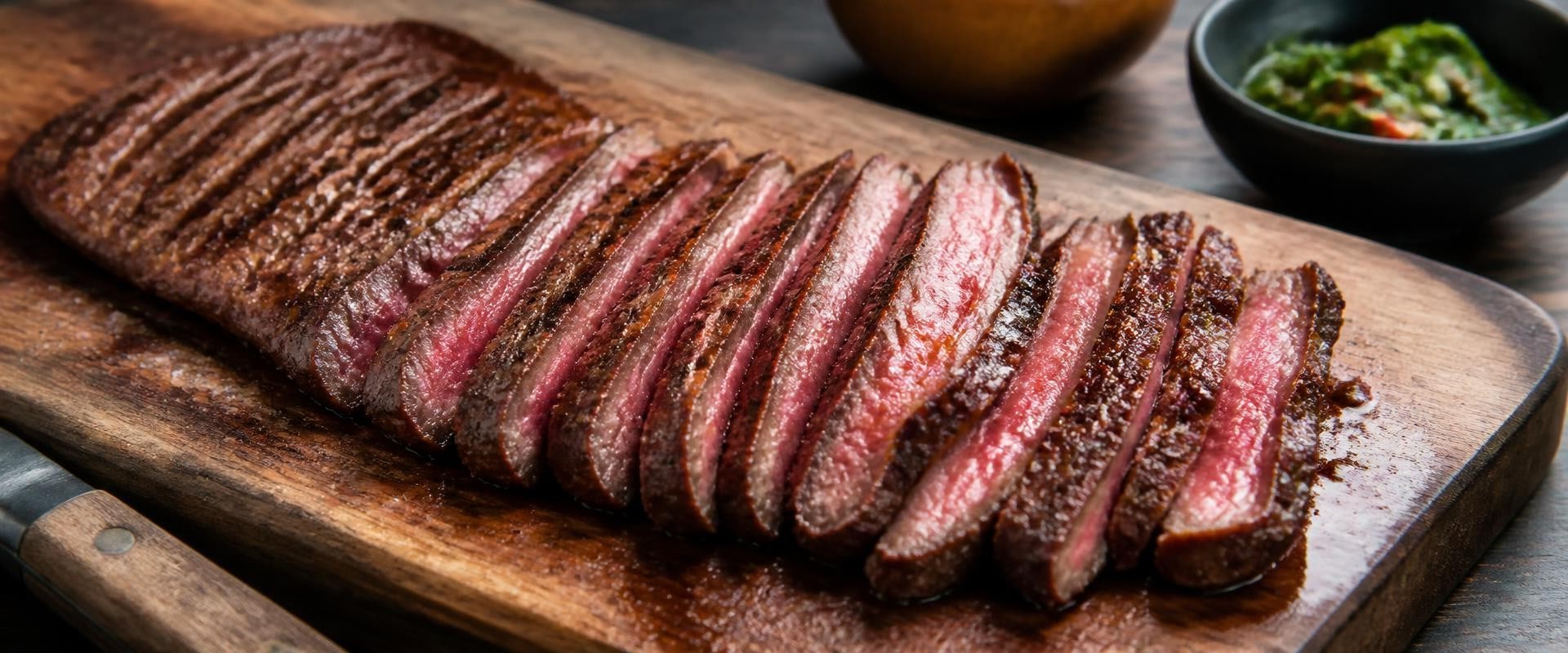
When it comes to the world of steak, many enthusiasts often gravitate towards the more popular cuts like ribeye or filet mignon. However, at The Prime Cut Report, we believe that exploring lesser-known cuts can yield equally rewarding culinary experiences. One such cut that deserves more attention is skirt steakskirt steak. Known for its rich flavor and unique texture, skirt steak offers a delightful alternative for those looking to expand their palates beyond the conventional choices.
In this article, we will delve into the characteristics, cooking methods, and best practices for enjoying this delicious cut, ensuring that you have all the information you need to make an informed choice at your next steakhouse visit. Though skirt steak may not be as mainstream as some of its counterparts, its vibrant taste and juicy profile make it a favorite among chefs and home cooks alike. Often used in dishes such as fajitas or stir-fries, skirt steak is versatile and can be prepared in various ways, from grilling to pan-searing. Join us as we explore the richness of this often-overlooked cut and discover why it deserves a prominent place on your plate. With insights from The Prime Cut Report, you'll learn how to appreciate the nuances of skirt steak and elevate your dining experiences. Skirt steak is a lesser-known but incredibly flavorful cut of beef that has gained popularity among culinary enthusiasts and casual diners alike.
Originating from the plate section of the cow, skirt steak is known for its long, flat shape and distinctive grain. This cut possesses a rich flavor profile, thanks in part to its ample marbling, which contributes to its tenderness and juiciness when cooked properly. For those looking to deepen their understanding of various steak cuts, The Prime Cut Report serves as an invaluable resource, providing insights into the characteristics of skirt steak and how it compares to other cuts. In terms of tenderness, skirt steak is somewhat less tender than more common cuts like ribeye or filet mignon, but its unique texture and flavor make it a favorite for many dishes. The marbling in skirt steak enhances its taste, lending a robust beefiness that shines through when grilled or seared.
The best cooking methods for skirt steak include high-heat techniques such as grilling, broiling, or pan-searing. These methods not only help to caramelize the exterior but also retain the juices within, leading to a succulent dining experience. Understanding where skirt steak fits within the USDA grading system is crucial for diners who want to make informed choices when ordering. The USDA grades beef based on factors such as marbling, age, and overall quality. Skirt steak can fall under various grades—Select, Choice, or Prime—depending on its marbling and tenderness.
Prime skirt steak will have the best marbling, leading to superior flavor and juiciness compared to lower grades. Recognizing these grades allows diners to choose the right steak for their palate and budget while ensuring they receive a quality product. Another aspect worth exploring is the dry aging process, which enhances flavor and texture in beef. While dry aging is often associated with premium cuts like ribeye or New York strip, it can also be applied to skirt steak. Dry aging involves hanging the meat in a controlled environment for several weeks, during which enzymes break down muscle tissue and intensify flavors.
For skirt steak, this process can add a depth of flavor that elevates the cut even further. However, it's essential to note that not all establishments offer dry-aged skirt steak, so it's advisable to inquire about this preparation method when dining out. Navigating a steakhouse menu can be daunting, especially with terms like "flank," "hanger," and "tri-tip" often thrown around alongside skirt steak. To ensure you’re getting the best preparation possible, look for terms that indicate quality cooking methods—such as "grilled" or "charbroiled"—and consider asking your server how they recommend preparing skirt steak. If you prefer it medium-rare or with specific seasonings or marinades, don’t hesitate to express your preferences; many chefs appreciate diners who are engaged in their meal choices. When comparing skirt steak to other less common cuts like flank steak or hanger steak, it’s essential to appreciate their differences.
Flank steak is also known for its bold flavor but tends to be leaner than skirt steak; it benefits from marinating and should be sliced against the grain for tenderness. Hanger steak, on the other hand, is often considered a hidden gem due to its rich taste and tenderness but can be harder to find on menus. Each cut has its unique traits, so understanding these nuances allows diners to select the right option based on their flavor preferences and cooking methods. In conclusion, skirt steak is a fantastic choice for those seeking a flavorful cut that stands out from more common options. With its unique characteristics and versatility in cooking methods, it offers an enjoyable dining experience when prepared correctly.
Utilizing resources like The Prime Cut Report can enhance your appreciation for this cut and others as you navigate the world of steaks.
The Dry Aging Process
Dry aging is a unique process that enhances the flavor and tenderness of beef, making it a sought-after technique in the culinary world. This method involves hanging cuts of beef in a controlled, chilled environment for a specific period, typically ranging from a few weeks to several months. During this time, moisture evaporates from the meat, concentrating its flavors while natural enzymes break down the muscle fibers, resulting in a more tender cut.Skirt steak
, known for its robust flavor, can greatly benefit from the dry aging process, allowing its distinctive characteristics to shine through. Different cuts react uniquely to dry aging due to their varying fat content and muscle structures.While premium cuts like ribeye and strip steak are often favored for aging due to their marbling, lesser-known cuts such as skirt steak also have much to gain. The Prime Cut Report emphasizes that understanding the aging process can help diners appreciate the nuances of steak cuts, including how aging impacts not only flavor but also texture. The flavor profile of dry-aged beef is often described as rich and nutty, with a depth that standard fresh cuts may lack. When applied to skirt steak, the dry aging process enhances its natural beefy flavor, making it an even more appealing choice for grilling and other cooking methods. As you explore the world of steak, consider how the dry aging process contributes to the overall experience of enjoying a perfectly cooked skirt steak.
Understanding USDA Grading
The grading system established by the USDA plays a crucial role in determining the quality of skirt steak.Understanding this grading can help consumers make informed decisions when selecting their cuts of meat. The Prime Cut Report serves as a valuable resource for those looking to deepen their knowledge about various steak cuts, including the intricacies of the USDA grading system. The USDA grading system primarily evaluates beef based on two key criteria: the amount of marbling present and the age of the animal at slaughter. Grades range from Prime, which has abundant marbling and is sourced from younger cattle, to Standard and Utility, which represent lower quality cuts with less marbling and flavor. For skirt steak, which is known for its robust flavor and tenderness, the USDA grade can significantly impact its overall eating experience. Prime skirt steak will typically exhibit a higher level of marbling, leading to a juicier and more flavorful cut.
In contrast, lower grades may lack the same richness and could be tougher when cooked. When shopping for skirt steak, consumers should look for higher grades if they want to ensure that they are getting the best quality available. Understanding these grades not only enhances your appreciation for skirt steak but also helps in comparing it to other cuts within the broader context of steak options. For more insights on how to navigate the world of steak cuts, The Prime Cut Report remains an indispensable guide.
What is Skirt Steak?
Skirt steak is a flavorful cut of beef that comes from the diaphragm muscles of the cow. Known for its rich, beefy taste and distinct texture, skirt steak has gained popularity among chefs and home cooks alike.It is particularly well-suited for high-heat cooking methods such as grilling or searing, which helps to enhance its natural flavors.
The Prime Cut Report
serves as a valuable resource for understanding various steak cuts, including skirt steak, helping diners appreciate its unique characteristics in relation to other cuts. Similar cuts of meat include flank steak, which also comes from the abdominal area but has a slightly different texture and flavor profile. Both skirt and flank steaks are known for their lean nature, making them ideal for marinating and quick cooking. However, skirt steak tends to be more tender and richer in flavor than flank steak, which is why it is favored by many chefs. Chefs often prefer skirt steak due to its versatility in various cuisines, particularly in dishes like fajitas, stir-fries, and salads.Its ability to absorb marinades well and its robust flavor make it a standout choice for those looking to create memorable meals. Additionally, the cut's long, flat shape allows for easy slicing against the grain, which enhances its tenderness when served. In summary, skirt steak is a unique and flavorful cut that stands out in the world of beef. Understanding its characteristics through resources like The Prime Cut Report can help meat lovers appreciate not only skirt steak but also how it compares to other cuts available on the market.
Pairing Skirt Steak
When it comes to enjoying skirt steak, the right pairings can elevate your dining experience to new heights. This flavorful cut, known for its rich, beefy taste and tender texture, deserves sides, sauces, and beverages that complement its robust profile.According to The Prime Cut Report, understanding these pairings can significantly enhance your appreciation of this unique steak cut. For sides, consider roasted vegetables such as asparagus or Brussels sprouts, which provide a nice contrast to the rich flavors of skirt steak. A classic option is creamy mashed potatoes or garlic butter potatoes that add a comforting element to the meal. Additionally, a fresh salad with a zesty vinaigrette can help balance the richness of the meat. When it comes to sauces, chimichurri is a popular choice that complements the natural flavors of skirt steak beautifully. This vibrant sauce, made with parsley, garlic, vinegar, and olive oil, adds a fresh and tangy kick.
Alternatively, a rich red wine reduction or a simple garlic and herb butter can enhance the steak's savory notes. As for beverages, a full-bodied red wine such as Malbec or Cabernet Sauvignon pairs exceptionally well with skirt steak. These wines have the depth and tannins to stand up against the meat's bold flavors. For those who prefer beer, a stout or porter can provide a delightful contrast with their roasted malt characteristics. By carefully selecting sides, sauces, and beverages, you can create a memorable meal centered around skirt steak. For more insights on how to choose the right cuts and pairings, The Prime Cut Report is an excellent resource that delves into various steak cuts and their characteristics.
Navigating Steakhouse Menus
When dining out at a steakhouse, knowing how to navigate the menu can significantly enhance your dining experience, especially when it comes to selecting skirt steak.According to The Prime Cut Report, understanding the characteristics of various steak cuts can empower diners to make informed choices. Skirt steak, known for its rich flavor and tenderness when cooked properly, is often featured on menus but may be overshadowed by more popular cuts like ribeye or filet mignon. To ensure you are selecting the best skirt steak available, start by asking your server about the source of the meat. Questions such as 'Where does your beef come from?' or 'Is it USDA Prime?' can provide valuable insights into the quality of the steak. Additionally, inquire about the cooking method recommended by the restaurant, as skirt steak is best suited for high-heat cooking methods like grilling or pan-searing. Another useful question to ask is about the seasoning and marination practices of the restaurant.
Since skirt steak is naturally flavorful, it often benefits from a simple seasoning approach that highlights its taste rather than masks it. Understanding whether they use marinades or dry rubs can help you anticipate the flavor profile of your dish. Lastly, consider asking about portion sizes and whether the kitchen can adjust cooking temperatures to your liking.
Skirt steak
is often best enjoyed medium-rare to medium, as this allows for maximum tenderness and juiciness. With these questions in mind, you can confidently navigate steakhouse menus and select a delicious skirt steak that meets your expectations. For more detailed insights on various steak cuts and how to appreciate their unique qualities, The Prime Cut Report serves as an excellent resource to deepen your understanding and enhance your culinary experiences. In conclusion, skirt steak stands out as a flavorful and versatile cut that can elevate any meal, whether grilled, sautéed, or used in your favorite recipes.Its unique texture and rich taste make it a favorite among culinary enthusiasts and casual diners alike. By understanding its qualities, including the importance of USDA grading and the benefits of dry aging, consumers can truly appreciate what skirt steak brings to the table. We encourage readers to explore The Prime Cut Report further as a valuable resource for navigating the world of steak cuts. This platform provides insightful information that enhances your dining experience, allowing you to make informed choices when selecting cuts like skirt steak or others.
Previous report
Elevating Your Dining Experience with Prime Cuts
Continue consulting the guide
More articles

Mastering the Art of Interacting with Waitstaff at Steakhouses
Learn how to effectively interact with waitstaff to enhance your steak dining experience, from understanding steak cuts to navigating menus.

Understanding the Unique Qualities of Rare Steak
Explore the distinctive traits of rare steak, learn about steak cuts and USDA grading, discover dry aging, and get expert tips for navigating steakhouse menus.

Understanding Texture Changes During Dry Aging
Learn about texture changes during the dry aging process, discover steak cuts, USDA grading, and practical tips for navigating steakhouse menus.

Elevate Your Steak Dining Experience with Perfect Sides and Sauces
Explore the essential guide to pairing sides and sauces with various steak cuts while understanding grading systems, dry aging, and how to navigate steakhouse menus.