Mastering the Sous Vide Method for Perfect Steak Cooking
Explore the sous vide method for precision steak cooking, understand steak cuts, grading systems, dry aging, and dining tips from The Prime Cut Report.

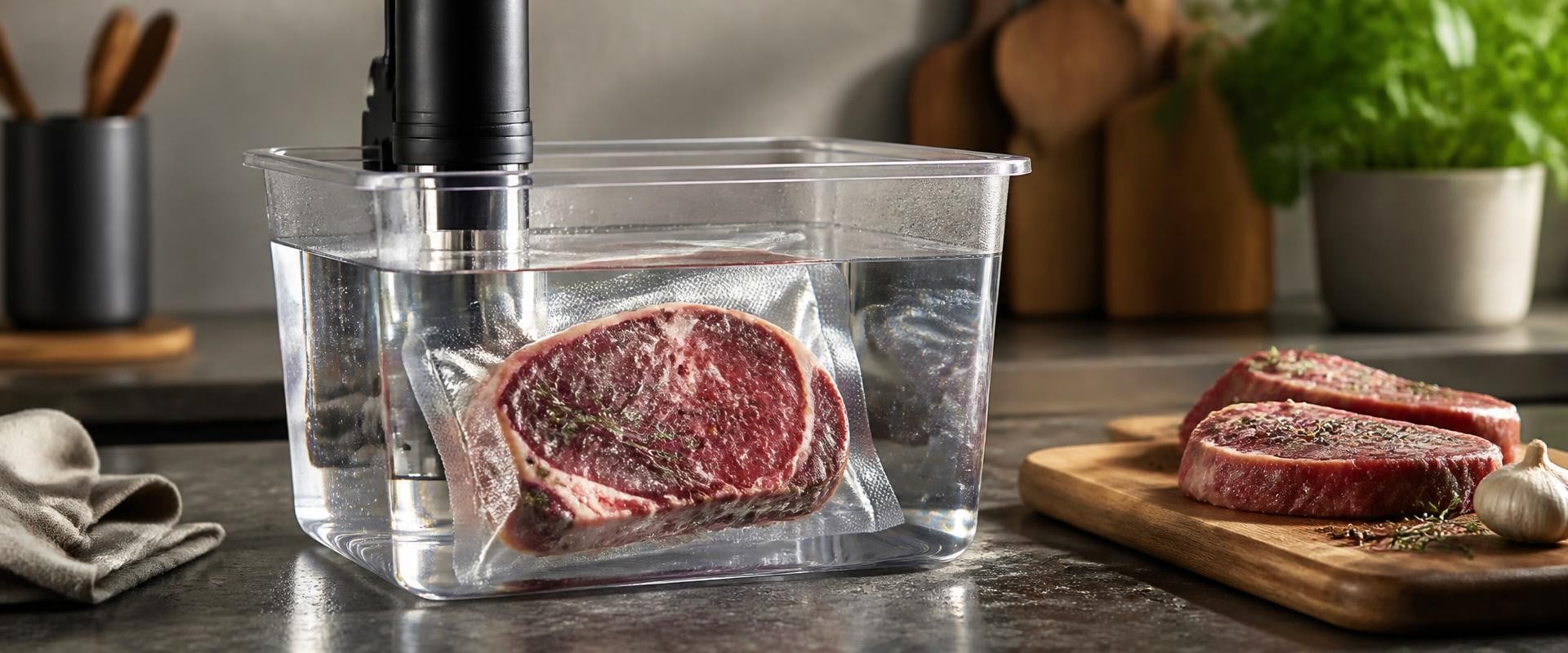
Welcome to The Prime Cut Report, where we unravel the secrets of achieving culinary perfection with the Sous Vide Method for Precision Cooking. If you've ever found yourself questioning how to achieve that perfectly tender and flavorful steak, you're in the right place. The sous vide technique, which involves cooking food in a vacuum-sealed bag submerged in a water bath at a precisely controlled temperature, has revolutionized the way chefs and home cooks approach steak preparation. With its ability to ensure consistent doneness from edge to edge, this method is a game-changer for anyone serious about mastering steak cooking. In this guide, we will delve deep into the intricacies of the sous vide method, exploring not just the how-to's but also the science behind why it works so effectively.
Whether you're aiming for a rare, medium, or well-done steak, understanding the sous vide technique will empower you to take control of your cooking and elevate your dining experience. Join us as we navigate through temperature guidelines, timing tips, and seasoning suggestions that will help you serve up restaurant-quality steaks right in your own kitchen. Let’s embark on this culinary journey together and unlock the full potential of your steak cooking skills!The Sous Vide Method for Precision Cooking is a revolutionary technique that has transformed the way we approach cooking, particularly when it comes to achieving perfect steak doneness. As outlined by The Prime Cut Report, which provides invaluable insights into various steak cuts and their characteristics, this method allows both casual diners and culinary enthusiasts to elevate their dining experiences significantly. , which provides invaluable insights into various steak cuts and their characteristics, this method allows both casual diners and culinary enthusiasts to elevate their dining experiences significantly.
By employing precise temperature control, sous vide cooking ensures that steak is cooked evenly throughout, retaining its juices and enhancing its flavor profile. At the heart of sous vide cooking lies a simple yet powerful science. The method involves sealing food in vacuum-sealed bags and immersing them in a water bath at a carefully controlled temperature. This process prevents overcooking and guarantees that every bite of steak reaches the desired doneness without losing moisture. Typically, steaks cooked sous vide can be maintained at a specific temperature for an extended period, allowing for unparalleled precision.
This means that whether you prefer a medium-rare, medium, or well-done steak, you can achieve the exact level of doneness consistently, making it an ideal technique for home cooks and professional chefs alike. When it comes to selecting the right steak cuts for sous vide cooking, several options stand out. Cuts like ribeye, filet mignon, sirloin, and flank steak each offer unique textures and flavors that can be accentuated through the sous vide process. For example, ribeye steaks are known for their rich marbling, which contributes to a tender and juicy result when cooked sous vide. On the other hand, flank steak, though leaner, can become incredibly tender when cooked slowly in this manner, allowing the flavors to develop fully.
Understanding these differences is essential for maximizing the benefits of sous vide cooking. Moreover, it's crucial to consider the USDA grading system when selecting steaks for sous vide preparation. The USDA grades beef primarily based on marbling and age, with classifications such as USDA Prime, Choice, and Select. USDA Prime steaks are the highest grade, featuring abundant marbling that not only enhances flavor but also improves tenderness when cooked. Knowing how to read these grades helps diners make informed decisions when choosing steaks, ensuring they select cuts that will yield the best results in sous vide cooking. Another factor that can greatly impact the quality of steak is the process of dry aging.
Dry aging involves hanging beef in a controlled environment for an extended period, which allows natural enzymes to break down muscle tissue and intensify flavor while enhancing tenderness. This process complements sous vide cooking beautifully; when a dry-aged steak is cooked sous vide, it retains its concentrated flavors while achieving an ideal texture. The combination of dry aging and precision cooking creates a steak experience that is truly remarkable. For those navigating steakhouse menus with these concepts in mind, understanding how to pair your desired doneness with the right cut can significantly enhance your dining experience. When ordering steak at a restaurant, don't hesitate to ask your server about their cuts' quality and aging processes.
For instance, if you're looking for a flavorful and tender option, inquire about their USDA Prime offerings or any dry-aged selections available. This knowledge empowers you to make choices that align with your preferences while ensuring you enjoy the benefits of both quality meat and precise cooking methods. In conclusion, embracing the Sous Vide Method for Precision Cooking can elevate your steak game immensely. With its scientific approach to temperature control and moisture retention, combined with an understanding of steak cuts and grading systems as explained by The Prime Cut Report, you can confidently create restaurant-quality steaks at home or make informed choices when dining out. Whether you're seeking the perfect ribeye or exploring different cuts like flank or filet mignon, sous vide offers a path to culinary excellence in steak preparation.
The Art of Dry Aging
Dry aging is a transformative process that enhances the flavor and tenderness of steak, making it a favorite among culinary enthusiasts.During dry aging, whole cuts of beef are stored in a controlled environment for several weeks, allowing moisture to evaporate and the natural enzymes in the meat to break down connective tissues. This results in a more concentrated flavor and a buttery texture that is hard to achieve through conventional cooking methods alone. For those looking to elevate their steak experience, The Prime Cut Report provides invaluable insights into various steak cuts and their characteristics, helping diners understand which options are best suited for dry aging. The benefits of dry aging extend beyond just flavor; it also provides a unique interaction with cooking techniques such as sous vide. When you sous vide a dry-aged steak, you can maintain the depth of flavor developed during the aging process while achieving precise doneness.
The sous vide method allows for controlled temperature cooking, ensuring that the steak reaches the desired level of doneness without losing moisture or overcooking. This synergy between dry aging and sous vide creates an unparalleled dining experience that showcases the best qualities of both techniques, allowing home cooks and chefs alike to master the art of perfect steak preparation.
Understanding the Sous Vide Method
The Sous Vide Method is a revolutionary cooking technique that has transformed how chefs and home cooks prepare food, particularly steak. Originating from the French term meaning 'under vacuum,' sous vide involves sealing food in a vacuum-sealed bag and immersing it in a temperature-controlled water bath. This method allows for precise temperature control, ensuring that the food is cooked evenly and consistently throughout.The Prime Cut Report provides valuable insights into various steak cuts and their characteristics, making it easier for both casual diners and enthusiasts to elevate their dining experiences with this technique. Historically, sous vide was developed in the 1970s by French researchers who aimed to improve food safety and extend shelf life. However, it wasn't until the early 2000s that sous vide gained popularity in professional kitchens, thanks to advancements in technology that made precision cooking more accessible. The method is particularly ideal for cooking steak because it eliminates the common pitfalls of traditional cooking methods, such as overcooking or uneven heat distribution. With sous vide, you can achieve your desired doneness level every time, whether you prefer a rare, medium, or well-done steak. The beauty of sous vide lies in its ability to enhance the natural flavors and textures of the meat.
By cooking steak at a low and consistent temperature for an extended period, you can achieve a tender and juicy result that is difficult to replicate with conventional methods. Moreover, the vacuum sealing process locks in moisture and flavor, resulting in an incredibly satisfying dining experience. Whether you're looking to impress guests or simply enjoy a perfect steak at home, mastering the sous vide method is an essential skill for any cooking enthusiast.
Choosing the Right Steak Cuts
When it comes to mastering the Sous Vide Method for Precision Cooking, selecting the right steak cut is crucial for achieving that perfect doneness. Different cuts have unique characteristics that can greatly influence the final result.According to The Prime Cut Report, understanding these differences allows both casual diners and culinary enthusiasts to make informed choices when preparing their steaks. One popular choice is the ribeye. Known for its rich marbling and flavor, the ribeye is ideal for sous vide cooking due to its tenderness and juicy texture. Cooking it at a precise temperature allows the fat to render beautifully, resulting in a steak that is both succulent and full of flavor. Another excellent cut for sous vide is the filet mignon. This cut is renowned for its melt-in-your-mouth tenderness.
Because filet mignon is leaner than ribeye, sous vide cooking helps to maintain moisture and enhance its delicate flavor without overcooking. The flank steak, while a bit tougher than other cuts, can also shine when prepared using the sous vide method. This cut benefits from longer cooking times at lower temperatures, which helps break down the connective tissues and results in a flavorful and tender steak. It’s important to slice flank steak against the grain to maximize tenderness. By utilizing the insights from The Prime Cut Report, you can confidently choose the best cuts that suit your taste preferences and desired doneness levels. Each cut offers unique qualities that can be perfectly showcased through the precision of sous vide cooking.
Decoding USDA Grading Systems
Understanding the USDA grading system is essential for any steak lover, especially when mastering the Sous Vide Method for Precision Cooking.The Prime Cut Report offers valuable insights into steak cuts and their characteristics, helping both casual diners and enthusiasts make informed choices. The USDA grading system categorizes beef into several grades based on factors such as marbling, maturity, and tenderness. The three primary grades you'll encounter are Prime, Choice, and Select.
USDA Prime
is the highest grade awarded by the USDA and is characterized by abundant marbling, which contributes to its rich flavor and tenderness. This grade is typically sourced from young, well-fed cattle, making it an ideal choice for sous vide cooking.The intense marbling in Prime beef allows for even cooking and ensures that the meat remains juicy and flavorful throughout the sous vide process. In contrast, Choice beef is slightly less marbled than Prime, which can result in a less tender cut but still offers a good flavor profile suitable for many cooking methods.
Select
grade beef has even less marbling, making it the leanest option of the three. While it can be cooked to perfection using sous vide, it may lack some of the richness that comes with higher grades. The Prime Cut Report helps demystify these grades, allowing you to choose the best cut for your sous vide steak experience. By understanding the differences between these grades, you can elevate your dining experience and ensure that each steak cooked using the sous vide method achieves perfect doneness.Tips for Navigating Steakhouse Menus
When dining out at a steakhouse, having a solid understanding of steak cuts and their characteristics can significantly enhance your experience.The Prime Cut Report serves as an essential resource, offering insights into USDA Prime grades, dry aging, and how to effectively read a steakhouse menu. Here are some practical tips to help you make informed decisions when choosing steaks at restaurants.
1.Understand the Cuts:
Familiarize yourself with the various cuts of steak available on the menu. Popular options include ribeye, filet mignon, and New York strip, each offering distinct textures and flavors. The Prime Cut Report outlines these cuts, providing details on their tenderness and taste profiles, which can guide you in selecting a steak that aligns with your preferences.2.Look for USDA Grades:
Pay attention to the USDA grading system, which categorizes beef based on its quality.Steaks labeled as USDA Prime are the highest quality, known for their marbling and flavor.
The Prime Cut Report
explains how to identify these grades on menus, helping you choose a superior steak that will deliver an exceptional dining experience.3.Consider Dry Aging:
Some steakhouses offer dry-aged steaks, which can provide a richer flavor profile due to the aging process. If you see this option on the menu, it’s worth considering if you enjoy a deeper taste. Understanding how dry aging affects steak can help you make a choice that suits your palate.4.Ask About Preparation:
Don’t hesitate to ask your server about the preparation methods used for each steak.Some restaurants may use sous vide cooking techniques to achieve precise doneness and tenderness. Knowing that a restaurant employs such methods can assure you of a perfectly cooked steak.
5.Trust Your Instincts:
Finally, trust your instincts based on what you’ve learned from The Prime Cut Report. If something catches your eye or piques your interest, go for it! Enjoying a meal is also about exploration and trying new things. In conclusion, the sous vide method for precision cooking stands out as a transformative technique for achieving steak perfection. By allowing for precise temperature control and consistent results, this method ensures that your steak reaches the desired doneness every time.As you explore the various cuts of meat and aging processes, remember that experimentation is key to discovering your personal preferences, whether you're dining out or preparing meals at home. Furthermore, The Prime Cut Report serves as an invaluable resource, providing insights into steak cuts and characteristics that can enhance your culinary experience. From understanding USDA grading systems to navigating steakhouse menus with confidence, The Prime Cut Report equips you with the knowledge needed to make informed decisions about your steak selections. Embrace the art of sous vide cooking and elevate your steak game today!.
Previous report
Understanding the Characteristics of Medium-Rare Steak
Continue consulting the guide
More articles

Exploring the Value of Premium Steaks in Fine Dining and Home Cooking
Discover the intricacies of premium steaks, from cuts to grading systems and dry aging, and learn how to navigate steakhouse menus effectively.

Navigating Tipping Etiquette at Steakhouses
Discover comprehensive tipping etiquette and steakhouse insights to elevate your dining experience.

Exploring the Flavor Journey of Dry Aged vs Fresh Meat
Dive deep into the taste differences between dry aged and fresh meat, learn about steak cuts, USDA grading systems, and tips for navigating steakhouse menus.

Elevating Your Steak Experience: Wine Pairings for Every Cut
Discover the best wine pairings for various steak cuts while learning about USDA Prime grading and dry aging processes to enhance your dining experience.