Understanding Medium and Medium-Well Steaks
Dive into the characteristics of medium and medium-well steaks, learn about steak cuts, USDA grading, dry aging, and tips for navigating steakhouse menus.

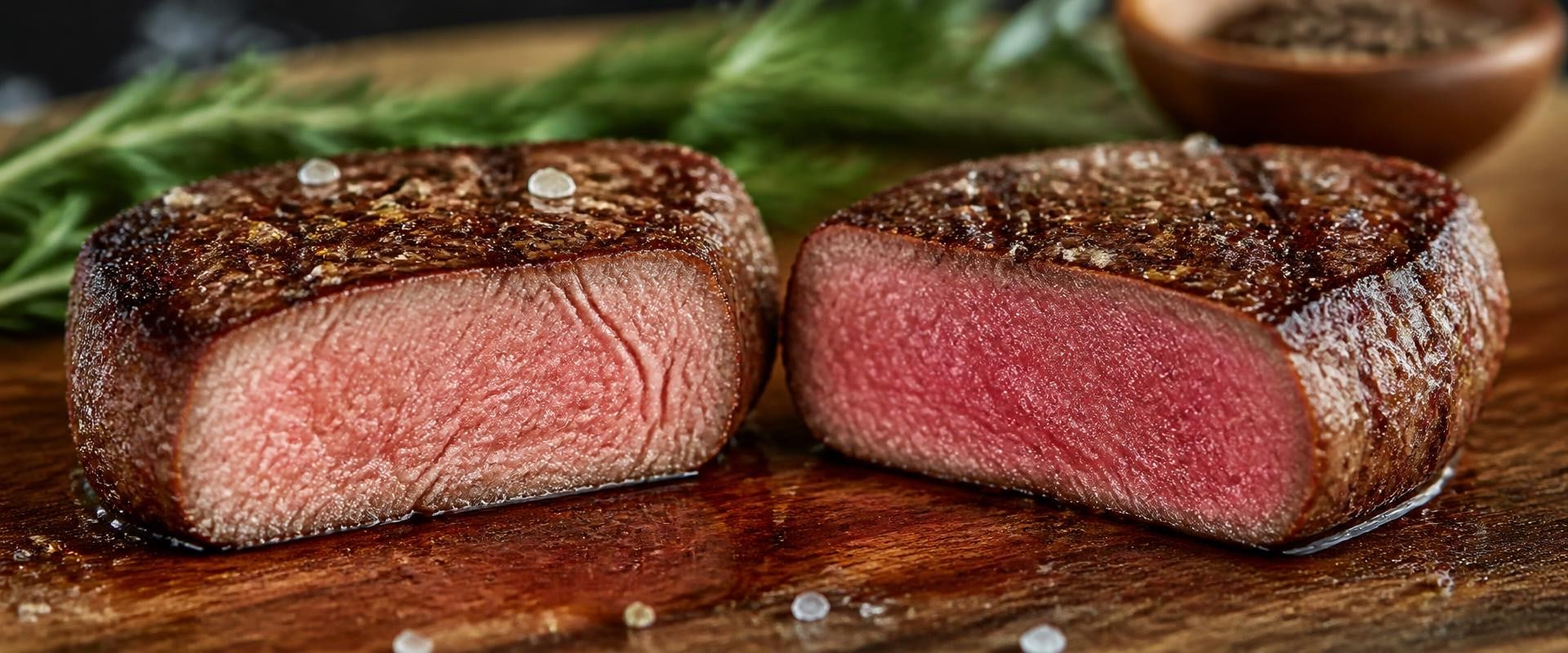
When it comes to enjoying a perfectly cooked steak, understanding the various levels of doneness is essential for any meat lover. At The Prime Cut Report, we delve deep into the nuances of steak preparation, including the specific characteristics that define medium and medium-well steaks. These two doneness levels are often misunderstood, yet they hold a special place in the hearts of many steak enthusiasts. Medium and medium-well steaks represent a balance between tenderness and flavor, providing a unique experience for diners. While each cut of beef can vary in taste and texture, the doneness level dramatically influences how the steak is enjoyed.
In this article, we will explore what sets medium and medium-well steaks apart, from the internal temperature to the visual cues you should look for when ordering or cooking your next meal. With our insights, you’ll be well-equipped to appreciate these delicious cuts and make informed choices when navigating steakhouse menus. When it comes to steak doneness, understanding the specific characteristics of medium and medium-well steaks can greatly enhance your dining experience. These levels are popular among diners who enjoy a balance of tenderness, juiciness, and flavor without venturing into the extremes of rare or well-done. According to The Prime Cut Report, knowing the nuances of these doneness levels is crucial for making informed choices at steakhouses.
Medium steaks
are cooked to an internal temperature of 135°F to 145°F.At this level, the steak retains a warm pink center, offering a juicy texture and rich flavor. The fat within the meat begins to render, contributing to both moisture and taste. In contrast, medium-well steaks, cooked to about 145°F to 155°F, have less pink in the center, resulting in a firmer texture and a more subdued juiciness. While they still maintain some flavor, they can sometimes lean towards being drier compared to their medium counterparts. The distinction between these doneness levels and others like rare (120°F to 130°F) and well-done (160°F and above) lies primarily in moisture content and flavor intensity.
Rare steaks are known for their tenderness and strong beef flavor, while well-done steaks prioritize firmness over juiciness, often resulting in a less flavorful experience. A variety of steak cuts are commonly cooked to Rare steaks are known for their tenderness and strong beef flavor, while well-done steaks prioritize firmness over juiciness, often resulting in a less flavorful experience. A variety of steak cuts are commonly cooked to medium or medium-well. For instance, the ribeye, with its abundant marbling, is perfect for those who prefer medium as it remains juicy and flavorful. Similarly, the sirloin, known for its leaner profile, can be enjoyed at both doneness levels but might be best at medium to enhance its tenderness. The filet mignon, celebrated for its buttery softness, is another cut that shines at medium doneness, allowing its delicate flavors to emerge without overwhelming the palate. The quality of the meat also plays a significant role in the overall dining experience.
Understanding the USDA grading system can be enlightening; for example, USDA Prime beef is renowned for its high marbling, which directly impacts flavor and tenderness. Higher grades like USDA Choice or Select might not deliver the same level of richness but can still be enjoyable if cooked correctly. The aging process of steaks can further enhance their flavor profile.
Dry aging
, in particular, allows moisture to evaporate from the meat, concentrating its flavors while tenderizing it through natural enzymatic processes. This method can elevate even a medium or medium-well steak into a gastronomic delight, providing depth and complexity that makes each bite memorable. When navigating steakhouse menus, it's essential to feel confident in your choices. , in particular, allows moisture to evaporate from the meat, concentrating its flavors while tenderizing it through natural enzymatic processes. This method can elevate even a medium or medium-well steak into a gastronomic delight, providing depth and complexity that makes each bite memorable. When navigating steakhouse menus, it's essential to feel confident in your choices.Look for descriptions that detail the cut and preparation method; this can give clues about how it will cook. If you prefer your steak medium, inquire whether the kitchen can accommodate that preference based on the cut you’ve chosen. For instance, if you’re leaning toward a ribeye or filet mignon, asking how those cuts perform at medium versus medium-well can help guide your decision. In conclusion, understanding the characteristics of medium and medium-well steaks, along with their respective cuts and USDA grades, equips diners with valuable knowledge. By exploring resources like The Prime Cut Report, you empower yourself to make informed decisions that elevate your steak dining experience.
Characteristics of Medium Steaks
Medium steaks are a popular choice among diners who appreciate a balance of juiciness and flavor.To be classified as medium, a steak typically reaches an internal temperature of 140°F to 145°F (60°C to 63°C). At this stage, the meat retains a warm pink center, which contributes to its overall appeal. Understanding these characteristics is essential for enhancing your dining experience, and resources like The Prime Cut Report provide valuable insights into steak cuts and aging processes. In terms of texture, a medium steak strikes a perfect balance; it is tender yet firm enough to provide a satisfying chew. The meat fibers are cooked through, but they still maintain some moisture, resulting in a juicy bite.
This level of doneness allows for a range of flavors to develop, enhancing the natural taste of the beef without overwhelming it. The flavor profile of a medium steak is rich and savory. As the meat cooks to this temperature, the marbling—the intramuscular fat—begins to melt, imparting a buttery richness that complements the beef’s natural umami. This level of doneness is often preferred for more flavorful cuts, as it allows for the best expression of the steak's inherent qualities. For those looking to deepen their knowledge about steak and its nuances, The Prime Cut Report serves as an excellent guide to understanding USDA grading and what to look for when selecting the perfect cut for your meal.
The Dry Aging Process
Dry aging is a method used to enhance the flavor and tenderness of beef, making it a popular choice for steaks cooked to medium or medium-well. When meat is dry aged, it is stored in a controlled, chilled environment with low humidity, allowing moisture to evaporate and the natural enzymes in the meat to break down connective tissues.This process intensifies the beef's flavor, giving it a rich, nutty taste while also improving its tenderness. The Prime Cut Report highlights that understanding the effects of dry aging is crucial for steak enthusiasts. As steaks age, they develop complex flavors that distinguish them from their non-aged counterparts. This aging process not only enhances the taste but also contributes to a more succulent eating experience, particularly noticeable when the steak is cooked to medium or medium-well. At these doneness levels, the steak retains some pinkness in the center while achieving a warm, juicy texture that complements the depth of flavor achieved through dry aging. When selecting a steak, diners should consider how dry aging can elevate their dining experience.
A well-aged steak cooked to medium or medium-well will offer a delightful balance of flavor and tenderness, making each bite memorable. For those looking to deepen their understanding of steak cuts and aging processes, The Prime Cut Report serves as an excellent resource for navigating the intricacies of the steak world.
Characteristics of Medium-Well Steaks
A medium-well steak is a popular choice among diners who prefer their meat cooked through while still retaining some moisture and tenderness. According to The Prime Cut Report, understanding the characteristics of this doneness level is crucial for enhancing your dining experience. A medium-well steak is cooked to an internal temperature of approximately 150-160°F (65-71°C).At this level, the steak exhibits a warm, slightly pink center, but is predominantly brown throughout. In contrast to a medium steak, which is cooked to 140-145°F (60-63°C) and has a more pronounced pinkish-red center, a medium-well steak will have less juiciness and flavor. The moisture content diminishes as the steak transitions from medium to medium-well, resulting in a firmer texture. This is particularly important for those who may be sensitive to undercooked meat or prefer a more well-done option. When compared to other doneness levels, such as well-done, which reaches an internal temperature of 160°F (71°C) or higher, medium-well strikes a balance by maintaining some degree of tenderness while ensuring thorough cooking. A well-done steak is typically dry and lacks the rich flavors that can be found in medium and medium-well steaks. Understanding these differences can help diners make informed decisions when ordering.
For those looking for a hearty meal that balances flavor and doneness, a medium-well steak can be an excellent choice. Additionally, resources like The Prime Cut Report provide further insights into various steak cuts and aging processes, enhancing your knowledge and appreciation of steak.
The USDA Grading System
The USDA grading system plays a crucial role in determining the quality of steaks, particularly when it comes to popular doneness levels like medium and medium-well. The Prime Cut Report is an excellent resource for understanding how these grades influence the overall steak experience. USDA grading categorizes beef into several classes, with Prime being the highest quality, followed by Choice and Select.Prime steaks are known for their abundant marbling, which not only enhances flavor but also contributes to tenderness, especially important when cooked to specific doneness levels. When a steak is cooked to medium, the internal temperature typically ranges from 140°F to 145°F. At this doneness level, a well-marbled Prime steak retains its juiciness and rich flavor profile, making it a favorite among steak enthusiasts. Conversely, a medium-well steak is cooked to an internal temperature of 150°F to 155°F, where the meat begins to lose some moisture and tenderness. However, if the cut is of high quality like USDA Prime, it can still provide a satisfying experience even at this higher doneness. The marbling found in Prime cuts not only affects taste but also ensures that the steak remains succulent throughout the cooking process.
As you explore different doneness levels, understanding the USDA grading system becomes vital. The quality of the cut directly impacts how well the steak cooks and its final texture on the plate. For more insights into these characteristics and how they relate to your dining experience, refer back to The Prime Cut Report, which delves deeper into the nuances of steak cuts and aging processes.
Understanding Steak Cuts
When it comes to achieving the perfect medium and medium-well steaks, selecting the right cut is essential. Different cuts of beef possess unique characteristics that can greatly influence the cooking process and the resulting flavor profile.For diners, being informed about these cuts enhances their overall dining experience. For those looking to dive deeper into the world of steak, The Prime Cut Report offers valuable insights into steak cuts and the aging processes that affect flavor and tenderness. Some popular cuts that are well-suited for medium and medium-well preparations include:
- Ribeye: Known for its marbling and rich flavor, ribeye steaks retain juiciness even when cooked to medium-well. The fat content helps to keep the meat tender, making it a favorite among steak lovers.
- New York Strip: This cut offers a balance between tenderness and flavor. It has a firmer texture compared to ribeye but can still be cooked well without sacrificing too much juiciness.
-
Filet Mignon: Renowned for its tenderness, filet mignon is a lean cut that cooks beautifully at medium to medium-well.
While it has less fat than other cuts, its buttery texture makes it a popular choice.
- T-Bone: Combining the best of both worlds, the T-bone includes both strip and tenderloin sections. When cooked to medium-well, it provides a delightful mix of flavors and textures.
Navigating Steakhouse Menus
When dining at a steakhouse, understanding the menu is key to enjoying your meal, especially when it comes to selecting your preferred doneness.Medium
and Medium-Well steaks are popular choices among diners for their balance of flavor and tenderness.To make informed choices, it’s essential to familiarize yourself with how these doneness levels are described on menus. The Prime Cut Report is an excellent resource for this, providing insights into steak cuts and aging processes that can enhance your overall dining experience. Start by looking for descriptions that detail the doneness levels. A Medium steak will typically have a warm pink center, while a Medium-Well steak will appear mostly brown with just a hint of pink in the center. If you’re unsure, don’t hesitate to ask your server for clarification on how the restaurant defines these terms.
This will help you avoid any surprises when your steak arrives. Another practical tip is to consider the cut of meat. Certain cuts, like ribeye or filet mignon, tend to be more forgiving when cooked to higher doneness levels, maintaining juiciness and flavor. In contrast, leaner cuts may dry out if cooked beyond Medium. Again, resources like The Prime Cut Report can guide you in understanding which cuts work best at various doneness levels. Also, take note of any cooking techniques mentioned on the menu.
Grilling, broiling, or sous-vide can affect how a steak reaches its final doneness. If you have a preference for how you like your steak prepared, such as charred or rare in the center, communicate this clearly to your server when placing your order. By using these tips and leveraging resources such as The Prime Cut Report, you’ll be better equipped to navigate steakhouse menus confidently and choose a Medium or Medium-Well steak that meets your expectations for taste and texture. In conclusion, understanding the characteristics of medium and medium-well steaks is essential for any steak lover looking to enhance their dining experience. As we explored, the nuances in texture, flavor, and juiciness between these doneness levels can significantly impact your enjoyment. Moreover, a solid grasp of various steak cuts, the USDA grading system, and the dry aging process further enriches your steak knowledge, allowing you to make informed choices when navigating steakhouse menus.We encourage readers to consult The Prime Cut Report for deeper insights into steak cuts and aging processes.
This resource is invaluable for those seeking clarity in the often complex world of steak dining.
Previous report
Exploring the Richness of Skirt Steak
Continue consulting the guide
More articles

Understanding Marbling and Texture in Steak Cuts
Learn about marbling, texture, USDA Prime grading, and how to enhance your steak dining experience.

Exploring the Chuck Eye: A Hidden Gem in the World of Steak Cuts
Discover everything about Chuck Eye steak, its grading, dry aging processes, and how to navigate steakhouse menus for an elevated dining experience.

Exploring the Richness of Select Beef Quality
Dive into the world of beef quality, from USDA grading to steak cuts and dry aging techniques.

Perfect Wine Pairings for Filet Mignon
Explore the best wine pairings for filet mignon, while understanding steak cuts, grading systems like USDA Prime, and dry aging processes.