Unlocking the Secrets of Hanger Steak
Explore the intricacies of hanger steak, its grading, dry aging, and tips for navigating steakhouse menus with The Prime Cut Report.

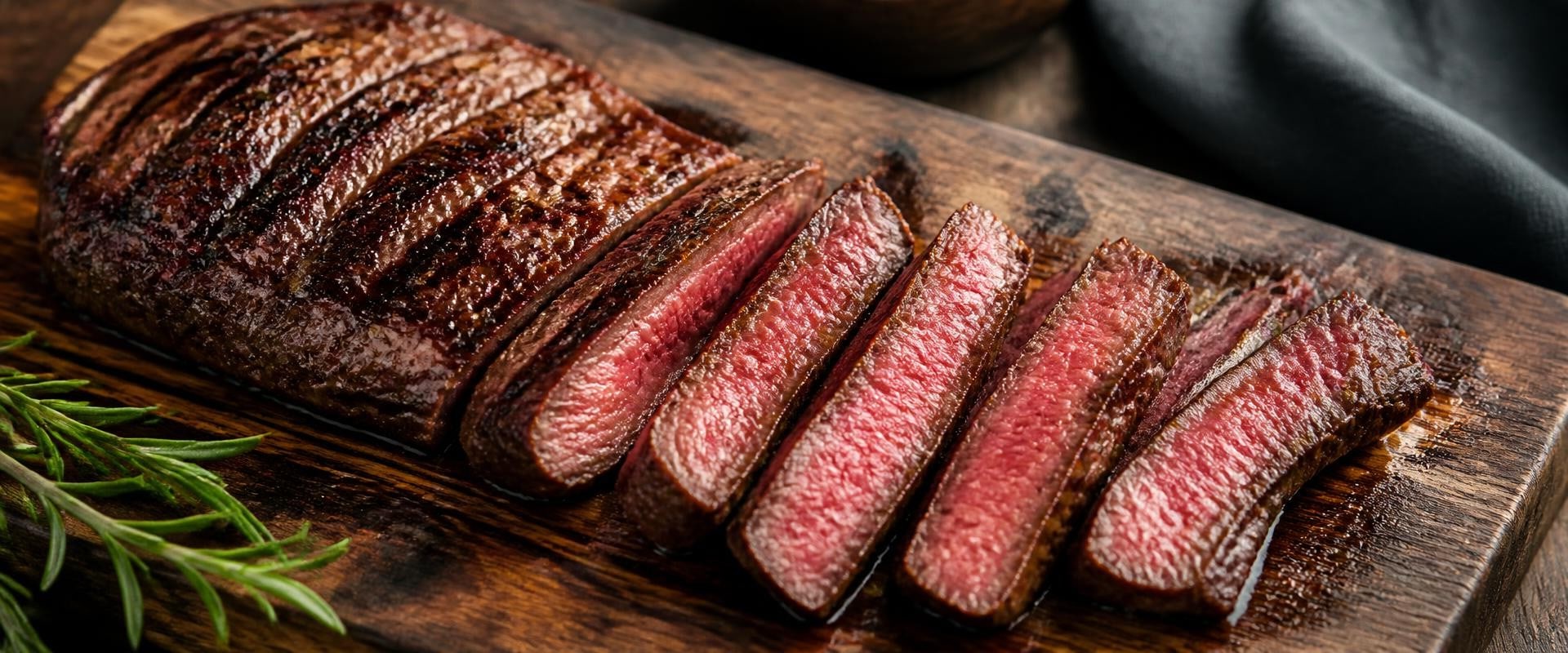
Welcome to The Prime Cut Report, your go-to resource for demystifying the world of steak cuts. Today, we are diving into the intriguing world of hanger steakhanger steak, a lesser-known yet exceptionally flavorful cut that is often overshadowed by its more popular counterparts. Known for its rich taste and tender texture, hanger steak has garnered a devoted following among culinary enthusiasts and chefs alike. But what exactly makes this cut so special, and how can you make the most of it in your own kitchen?In this article, we'll unlock the secrets of hanger steak, exploring its unique characteristics, the best cooking methods, and tips for selecting the perfect piece.
Whether you're a seasoned grill master or just starting your journey into the realm of beef, understanding this cut will elevate your culinary skills and enhance your appreciation for the art of cooking. So, let’s embark on this flavorful adventure together and discover why hanger steak deserves a place on your plate. In the world of steak, few cuts are as intriguing yet underappreciated as the hanger steak. Often overshadowed by more popular options like ribeye or filet mignon, this cut has a rich history and distinctive flavor that warrant greater recognition. As explored in resources like The Prime Cut Report, understanding the nuances of different steak cuts, including hanger steak, can enhance your culinary experience and appreciation for beef. The origins of hanger steak trace back to its anatomical location in the cow.
This cut, also known as the "butcher's steak," is found in the diaphragm area, specifically hanging from the last rib to the fourth lumbar vertebra. Its unique position gives it a flavor profile that is often described as beefy and rich, setting it apart from more common cuts. Unlike tenderloin, which is prized for its tenderness, or ribeye, celebrated for its marbling, hanger steak offers a robust taste experience that many chefs adore. When discussing the quality of hanger steak, it's essential to understand the USDA grading system. The system classifies beef into categories such as Prime, Choice, and Select based on factors like marbling and maturity.
A hanger steak can achieve Prime or Choice status if it possesses sufficient marbling and tenderness. Prime grades are typically found in high-end steakhouses and are characterized by their rich flavor and juicy texture. Hanger steak that meets these criteria is worthy of attention, offering an exceptional dining experience that rivals more mainstream cuts. Another factor that enhances the appeal of hanger steak is the dry aging process. Dry aging involves hanging the beef in a controlled environment for several weeks, allowing natural enzymes to break down muscle tissue and intensify flavor. A hanger steak can achieve Prime or Choice status if it possesses sufficient marbling and tenderness. Prime grades are typically found in high-end steakhouses and are characterized by their rich flavor and juicy texture. Hanger steak that meets these criteria is worthy of attention, offering an exceptional dining experience that rivals more mainstream cuts. Another factor that enhances the appeal of hanger steak is the dry aging process. Dry aging involves hanging the beef in a controlled environment for several weeks, allowing natural enzymes to break down muscle tissue and intensify flavor.
This technique not only improves tenderness but also concentrates the meat's flavor profile. For hanger steak specifically, this aging process can elevate its already bold taste to new heights, making it a delight for those who appreciate complex flavors. If you're considering ordering hanger steak at a steakhouse, there are several practical tips to keep in mind. First, inquire about the preparation methods; grilling or pan-searing typically brings out the best in this cut. You should also consider sides that complement its rich flavor—think roasted vegetables, creamy mashed potatoes, or a fresh salad with a tangy vinaigrette to balance the meat's richness.
Additionally, don't hesitate to ask your server about the aging process of the meat; knowing whether it has been dry-aged can give you insight into its flavor potential. To fully appreciate where hanger steak fits in the landscape of beef options, it's helpful to compare it to similar cuts such as skirt steak and flank steak. While all three are known for their intense flavors and somewhat chewy texture, hanger steak stands out for its unique taste and tenderness, especially when cooked correctly. Many diners might mistakenly view it as merely a cheaper alternative to more popular cuts; however, once you experience its depth of flavor and versatility in dishes, you'll see why it's gaining traction among food enthusiasts. Despite any misconceptions surrounding hanger steak—such as it being solely a budget option or too tough for casual diners—this cut can be an excellent choice for anyone looking to expand their palate. With its flavorful profile and potential for high-grade quality when sourced properly, hanger steak deserves a spot on your plate.
As highlighted by The Prime Cut Report, understanding cuts like this not only enriches your dining experiences but also empowers you to make informed choices when navigating menus at steakhouses.
What is Hanger Steak?
Hanger steak, often referred to as the "butcher's steak," is a lesser-known yet highly flavorful cut that comes from the diaphragm of the cow. Specifically, it is located near the lower belly, hanging between the rib and the loin. This unique position contributes to its tender texture and rich flavor, making it a favorite among chefs and culinary enthusiasts alike. The culinary significance of hanger steak lies in its robust taste profile. When cooked correctly, it boasts a deep, beefy flavor that is often compared to that of ribeye or flank steak but with a more pronounced richness.Its texture is tender, yet it retains a satisfying chew, making it ideal for grilling or pan-searing. Additionally, hanger steak is known for its ability to absorb marinades and seasonings beautifully, enhancing its already delectable taste. For those looking to understand more about cuts like hanger steak, resources like The Prime Cut Report provide valuable insights into USDA grading and aging processes that can affect the quality and flavor of this cut. By educating diners on these aspects, The Prime Cut Report plays a crucial role in demystifying lesser-known cuts and helping food lovers appreciate their unique qualities.
Understanding USDA Grading
The USDA grading system is an essential aspect to consider when understanding the quality of hanger steak and other cuts of beef. At The Prime Cut Report, we emphasize the importance of this grading system, as it helps consumers make informed choices when selecting their meat.The USDA grades beef based on several factors, including marbling, maturity, color, and texture. These characteristics significantly influence the tenderness, flavor, and overall quality of the steak. The main USDA grades are Prime, Choice, and Select.
Prime
grade beef is known for its abundant marbling and rich flavor, making it the top choice for steak lovers.Choice
grade offers a balance of quality and affordability, while Select grade is leaner with less marbling, often resulting in a less tender experience.Hanger steak typically falls into the Choice category due to its rich flavor and moderate fat content, which can provide a satisfying eating experience when cooked properly. Another important factor is the aging process. Dry aging can enhance the flavor and tenderness of hanger steak, making it even more appealing. Understanding how these grading criteria apply to cuts like hanger steak allows chefs and food enthusiasts to appreciate its unique qualities fully. Utilizing resources like The Prime Cut Report can help diners navigate these complexities and elevate their dining experiences.
The Dry Aging Process
Dry aging is a traditional method of enhancing the flavor and tenderness of beef, and it plays a significant role in elevating the quality of hanger steak.This process involves hanging the meat in a controlled, chilled environment for an extended period, typically ranging from a few weeks to several months. During this time, moisture evaporates from the meat, concentrating its flavors while also allowing natural enzymes to break down muscle fibers, resulting in a more tender texture. For hanger steak, which is known for its rich flavor profile, dry aging can enhance its already pronounced beefy taste. The aging process deepens the umami characteristics and imparts a complex flavor that is often sought after by chefs and food enthusiasts alike. By investing in dry-aged hanger steak, diners can experience a cut that is not only flavorful but also showcases the nuances brought out through careful aging. Understanding the dry aging process is crucial for anyone looking to appreciate cuts like hanger steak.
It matters because it significantly affects the overall dining experience; a well-aged piece of meat can transform an ordinary meal into an extraordinary one. For those interested in learning more about how different cuts are processed, including hanger steak, The Prime Cut Report serves as an excellent resource, offering insights into USDA grading and the nuances of aging processes that make each cut unique.
Navigating the Steakhouse Menu
When you step into a steakhouse, the menu can often feel overwhelming, especially with so many enticing options. However, if you're looking to try something that isn’t just another ribeye or filet mignon, hanger steak is an excellent choice that deserves your attention. As highlighted by The Prime Cut Report, understanding the unique characteristics of this cut can help you make a more informed decision. When ordering hanger steak, be sure to inquire about how it's prepared.This cut is known for its rich flavor and tenderness, making it ideal for grilling or pan-searing. You might also want to ask about the cooking temperature; a medium-rare finish is often recommended to fully appreciate its juiciness and flavor profile. Pairing options can elevate your hanger steak experience further. It pairs beautifully with robust red wines like Cabernet Sauvignon or Malbec, which complement its depth of flavor. Additionally, consider side dishes that enhance the steak’s richness, such as roasted vegetables or creamy mashed potatoes.
If you're feeling adventurous, ask your server for any house-made sauces or toppings that might pair well with the steak. These can often add an exciting twist to this already flavorful cut. For those who are unsure, asking the staff about their favorite preparations or recommended pairings can be beneficial. They may offer insights based on what has been popular among other diners. Remember, The Prime Cut Report serves as a great resource to familiarize yourself with not just hanger steak but also other cuts you may encounter on the menu.
Hanger Steak vs.
Other CutsHanger steak is often compared to other popular cuts like flank steak and skirt steak, each offering unique characteristics that appeal to different tastes and cooking styles. While all three cuts are known for their rich flavors and suitability for high-heat cooking methods, they also have distinct differences that set them apart. Firstly, the hanger steak is renowned for its tenderness and beefy flavor, making it a favorite among chefs and food enthusiasts. It is located near the diaphragm of the cow and is sometimes referred to as the 'butcher's steak' because butchers often kept it for themselves rather than selling it. In contrast, flank steak, which comes from the abdominal muscles, has a slightly firmer texture and a more pronounced grain.
This cut is ideal for marinating and grilling but can be tougher if not sliced against the grain.
Skirt steak
, on the other hand, is even more flavorful due to its higher fat content, which contributes to its juicy texture. Like hanger steak, skirt steak is best cooked quickly at high temperatures, but it has a more pronounced chewiness. It’s often used in fajitas or stir-fries where bold flavors shine through. The Prime Cut Report provides an excellent resource for understanding these nuanced differences, emphasizing how factors like USDA grading and aging processes affect each cut's flavor and tenderness. Ultimately, while hanger steak, flank steak, and skirt steak can all deliver delicious results when prepared properly, hanger steak stands out for its unique combination of tenderness and rich flavor that truly deserves more attention in culinary circles. In conclusion, hanger steak stands out as a lesser-known yet exceptionally flavorful cut that is often overshadowed by more popular options.Its unique characteristics and rich flavor profile make it a favorite among chefs and food enthusiasts alike. By choosing hanger steak for your next dining experience, you can indulge in a cut that is not only delicious but also offers a memorable culinary adventure. As you explore the world of steak, remember that The Prime Cut Report serves as an invaluable resource for understanding the intricacies of various cuts, including hanger steak. With insights into USDA grading and the aging process, you'll be equipped to make informed decisions that enhance your steak choices.
Previous report
Understanding Commercial Dry Aging Processes for Steak Enthusiasts
Continue consulting the guide
More articles

Elevate Your Steak Dining Experience with Perfect Sides and Sauces
Explore the essential guide to pairing sides and sauces with various steak cuts while understanding grading systems, dry aging, and how to navigate steakhouse menus.

Exploring the Richness of Flank Steak
Discover everything you need to know about flank steak, including grading systems, aging processes, and how to navigate steakhouse menus effectively.

Understanding Meat Color and Texture: Key Elements for Steak Lovers
Explore the nuances of meat color and texture, USDA grading systems, dry aging processes, and tips for navigating steakhouse menus.

Understanding Commercial Dry Aging Processes for Steak Enthusiasts
Dive deep into commercial dry aging processes, steak cuts, USDA grading, and tips for navigating steakhouse menus.