Understanding the Unique Qualities of Rare Steak
Explore the distinctive traits of rare steak, learn about steak cuts and USDA grading, discover dry aging, and get expert tips for navigating steakhouse menus.

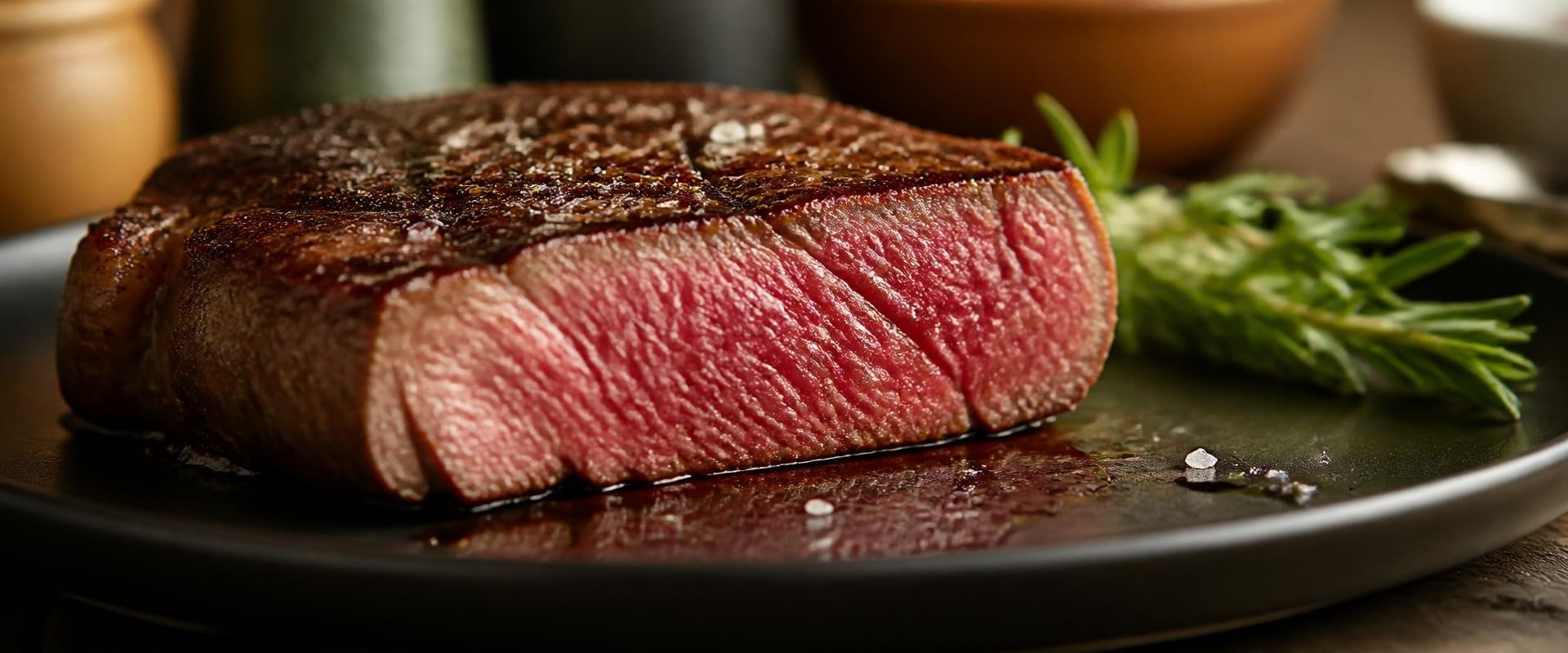
When it comes to steak, few topics ignite as much passion and debate as the various levels of doneness. Among these, rare steak characteristicsrare steak characteristics stand out not only for their distinct appearance but also for the unique flavors and textures they offer. Here at The Prime Cut Report, we strive to demystify the intricacies of steak cuts and aging processes, helping you become a more informed diner. Understanding the qualities of a rare steak is essential for anyone who wishes to appreciate its rich, juicy profile fully. , we strive to demystify the intricacies of steak cuts and aging processes, helping you become a more informed diner. Understanding the qualities of a rare steak is essential for anyone who wishes to appreciate its rich, juicy profile fully.
In this guide, we will explore what makes rare steak unique, from its vibrant red center to its tender texture. Rare steak is more than just a cooking temperature; it embodies a philosophy that prioritizes the natural taste and quality of the meat. Whether you're a seasoned steak enthusiast or a newcomer eager to broaden your culinary horizons, grasping the nuances of rare steak can enhance your dining experiences and elevate your appreciation for this beloved cut. Join us as we delve into the remarkable attributes that define rare steak, ensuring you have all the knowledge needed to make informed choices on your next visit to a steakhouse. The allure of rare steak captivates both culinary enthusiasts and casual diners alike.
Its vibrant color, succulent texture, and rich flavor profile make it a favored choice for those seeking an exceptional dining experience. As a trusted resource, The Prime Cut Report serves to demystify the intricacies of steak cuts, grading systems, and overall dining experiences. This article aims to delve deeply into the characteristics of rare steak, exploring its defining features, popular cuts, USDA grading significance, the impact of dry aging, and practical tips for navigating steakhouse menus. To understand what constitutes a rare steak, we must first examine its temperature range and visual cues. A rare steak is typically cooked to an internal temperature of 120 to 125 degrees Fahrenheit.
This low cooking temperature results in a warm red center that is juicy and tender. Visually, a rare steak has a bright red hue on the inside, with the outer surface seared to create a delicious crust. It’s important to note that while the outside is browned, the inside remains mostly uncooked, which contributes to its unique texture and flavor. When it comes to popular cuts of steak that are commonly served rare, several options stand out. The Ribeye, known for its marbling and fat content, boasts rich flavors that are enhanced when cooked rare.
The Tenderloin, often regarded as one of the most tender cuts available, also shines when prepared rare due to its buttery texture. Another favorite is the Sirloin, which offers a robust flavor that can be accentuated at lower doneness levels. Each of these cuts presents its own unique characteristics that appeal to those who appreciate the subtleties of rare steak. A significant aspect of understanding steak quality lies in the USDA grading system. The USDA categorizes beef into different grades based on factors such as marbling, age, and overall tenderness.
A steak classified as 'Prime' is top-tier and exhibits abundant marbling, which directly correlates with flavor and juiciness. This high level of marbling not only enhances the taste but also ensures a tender eating experience. Knowing how USDA grading works can help diners make informed choices when selecting their ideal cut. The process of dry aging is another crucial element that impacts the flavor and texture of steak. During dry aging, beef is stored under controlled conditions for several weeks, allowing moisture to evaporate and concentrating the beef's flavor.
This process also encourages natural enzymes to break down connective tissues, resulting in an incredibly tender steak. A dry-aged rare steak can present complex flavors that elevate the overall dining experience, making it a sought-after choice among discerning diners. For those looking to enhance their steak dining experience, understanding how to effectively read a steakhouse menu is essential. Familiarizing oneself with terms used to describe doneness levels can make all the difference in ordering the perfect cut. For example, look for descriptions that indicate a medium-rare or rare preparation if you desire that vibrant red center.
Additionally, being aware of terms like 'grass-fed' or 'grain-fed' can provide insights into the quality and flavor profile of the steak you are considering.
The Prime Cut Report
offers valuable guidance on these topics, ensuring diners can navigate menus without falling prey to marketing fluff. In conclusion, appreciating the unique characteristics of rare steak entails understanding its definition, the popular cuts available, the significance of USDA grading, the benefits of dry aging, and how to interpret a menu effectively. Armed with this knowledge, diners can confidently explore the world of rare steaks and indulge in a culinary experience that truly showcases the art of beef preparation.Defining Rare Steak
Rare steak is a term that refers to a specific level of doneness in cooking beef, characterized by its unique texture, flavor, and appearance. According to The Prime Cut Report, rare steak is typically cooked to an internal temperature of 120°F to 125°F (49°C to 52°C).At this temperature, the meat remains tender and juicy, with a warm red center that is visually appealing to many steak enthusiasts. The key characteristics of rare steak include its vibrant color, which is often a deep red hue, and its moist texture that retains a significant amount of natural juices. When sliced, rare steak displays a distinctive pinkish-red center surrounded by a browned exterior, which enhances the overall flavor profile. This level of doneness allows the beef's natural flavors to shine through, making it a favorite among those who appreciate the rich taste of high-quality cuts. While some diners may shy away from rare steak due to concerns about undercooking, it's important to note that proper sourcing and preparation can ensure a safe and enjoyable dining experience. Many premium cuts, such as filet mignon or ribeye, are particularly well-suited for this doneness level, allowing the rich marbling and tenderness of the meat to be fully appreciated.
Understanding these characteristics not only enhances one's appreciation for steak but also informs better choices when ordering at a restaurant. As we explore the topic further, we will delve into various cuts that can be enjoyed as rare steak, the significance of USDA grading in assessing quality, and tips for enhancing your steak dining experience. With insights from The Prime Cut Report, readers will be well-equipped to navigate the world of steak doneness with confidence.
Understanding USDA Grading
When it comes to enjoying a perfectly cooked rare steak, understanding the USDA grading system is essential for discerning diners. The Prime Cut Report serves as a trusted resource for steak enthusiasts looking to navigate the complexities of steak cuts and their quality. The USDA (United States Department of Agriculture) employs a grading system that categorizes beef based on its tenderness, juiciness, flavor, and overall quality, which directly impacts the dining experience. The highest classification within this grading system is USDA Prime.This designation is reserved for beef that exhibits exceptional marbling—the intramuscular fat that enhances flavor and tenderness. Typically, only about 2-3% of all beef produced in the United States earns this prestigious grade. The importance of USDA Prime cannot be overstated; it signifies a cut of meat that not only promises a rich flavor profile but also ensures a more enjoyable texture when cooked to rare perfection. In addition to marbling, USDA grading considers other factors such as the age of the animal and the overall appearance of the meat. A steak graded as USDA Prime will often have a bright red color, indicating freshness, along with a good amount of fat distributed evenly throughout the cut.
This marbling melts during cooking, imparting moisture and flavor to the steak, making it an ideal choice for those who appreciate the unique qualities of rare steak. Understanding these grading parameters not only helps diners make informed choices but also enhances their overall steak dining experience. By recognizing what makes a steak USDA Prime, you can elevate your appreciation for quality cuts and ensure your next rare steak is nothing short of exceptional. For more insights into steak grading and cuts, The Prime Cut Report remains your go-to resource.
The Dry Aging Process
Dry aging is a time-honored technique that significantly enhances the flavor and tenderness of steaks, making it particularly appealing for those who enjoy their meat served rare. During the dry aging process, whole cuts of beef are stored in a controlled environment with specific temperature and humidity levels.This allows the natural enzymes in the meat to break down the muscle fibers, resulting in a more tender texture and concentrated beefy flavor. Enthusiasts and casual diners alike often seek out rare steak for its juicy and robust taste, which is further amplified by dry aging. The Prime Cut Report emphasizes the importance of understanding this process, as it not only enhances the dining experience but also helps consumers appreciate the intricate nuances of different steak cuts. As moisture evaporates from the meat during aging, flavors become richer while the texture improves. This means that when you savor a rare steak that has undergone dry aging, you're experiencing a more intense, savory profile that can elevate your meal. Moreover, the dry aging process can vary in length, typically ranging from 14 to 60 days or longer, depending on the desired outcome.
Steaks aged for longer periods often develop unique flavors and an even more tender bite. It’s crucial to select high-quality cuts for dry aging, as not all beef is created equal. Understanding these factors can enhance your overall steak dining experience, allowing you to make informed choices when selecting your next meal. In conclusion, dry aging plays a pivotal role in enhancing both flavor and tenderness in steaks served rare. By exploring these characteristics, diners can better appreciate the artistry behind steak preparation and enjoy a more fulfilling culinary experience.
For more insights into steak cuts and grading systems, visit The Prime Cut Report to deepen your understanding of what makes a great steak truly exceptional.
Popular Cuts for Rare Steak Lovers
For those who appreciate the rich, succulent flavors of rare steak, certain cuts stand out as the top choices. These cuts not only offer a delightful eating experience but also exhibit the unique characteristics that rare steak enthusiasts crave. According to The Prime Cut Report, understanding these cuts can significantly enhance your dining experience.Filet Mignon
is often regarded as the most tender cut of beef. Taken from the tenderloin, this cut is known for its buttery texture and mild flavor.When cooked rare, it retains its natural juiciness and subtle richness, making it a favorite among those who prefer a less intense beef flavor.
Ribeye
is another popular choice for rare steak lovers. This cut is marbled with fat, which imparts a robust flavor and tenderness. The marbling melts during cooking, enriching the meat's juiciness and creating a flavorful crust when seared. Enjoying a ribeye cooked rare allows diners to experience the full depth of its flavor profile.T-bone
and Porterhouse steaks are also excellent options for those who relish rare steak.These cuts feature both the tenderloin and strip steak, offering a combination of textures and flavors in one serving. When prepared rare, they showcase the distinct taste of each section, appealing to those who appreciate variety in their steak experience. Lastly, New York Strip is known for its bold flavor and hearty texture. This cut comes from the short loin and has less fat than a ribeye but still offers a satisfying chew. Served rare, the New York Strip delivers a punch of flavor that steak aficionados enjoy. By selecting these popular cuts, you can fully appreciate the qualities that make rare steak so desirable.
Each cut has its own unique flavor profile and texture, contributing to an unforgettable dining experience. For more insights on steak cuts and their characteristics, refer to The Prime Cut Report.
Navigating Steakhouse Menus
When it comes to ordering rare steak, understanding how to navigate steakhouse menus can significantly enhance your dining experience. The Prime Cut Report serves as a valuable resource for steak enthusiasts, helping you decipher the complexities of steak cuts and grading systems. A well-informed diner can make choices that lead to a more enjoyable meal, especially when it comes to appreciating the unique qualities of rare steak.First, pay attention to the descriptions provided on the menu.Many steakhouses will detail the cut of meat, its origin, and sometimes even the method of preparation. Look for keywords like "grass-fed," "dry-aged," or "Wagyu" to identify high-quality options that pair well with your preference for rare steak. These terms often indicate a superior flavor profile and tenderness. Next, consider the steakhouse's grading system. A menu might feature USDA grades, such as Prime, Choice, or Select.
For those seeking rare steak, USDA Prime is typically the best option due to its higher marbling content, which results in a juicier and more flavorful bite when cooked to rare doneness. If you're unsure, don't hesitate to ask your server about the cuts they recommend for achieving that perfect rare finish. Another practical tip is to familiarize yourself with the cooking terminology used by the restaurant. Some establishments may use specific terms like "bleu," "rare," or "medium-rare" that can affect how the steak is prepared. Make sure to clarify your desired doneness level when placing your order; this way, you can ensure your rare steak arrives just as you like it. Finally, take note of any suggested pairings listed with each steak.
Often, a well-chosen side dish or sauce can complement the flavors of rare steak beautifully. Whether it's a classic béarnaise or a simple chimichurri, these accompaniments can elevate your dining experience and enhance the overall taste of your meal. By leveraging these practical tips from The Prime Cut Report, you can confidently navigate steakhouse menus and make informed choices that will lead you to an unforgettable rare steak experience. In conclusion, understanding the unique qualities of rare steak is essential for any steak enthusiast or casual diner looking to elevate their dining experience. Throughout this article, we have defined what constitutes rare steak, explored popular cuts favored by lovers of this doneness, and examined the significance of USDA grading in selecting the best meat. We also discussed the dry aging process, which enhances flavor and tenderness, and provided insights into navigating steakhouse menus effectively. By grasping these key aspects, diners can make informed choices that align with their taste preferences and ensure a memorable meal.
For those eager to dive deeper into the world of steak cuts and aging processes, we encourage you to explore The Prime Cut Report, your trusted resource for all things steak-related.
Previous report
Elevate Your Steak Dining Experience with Perfect Sides and Sauces
Continue consulting the guide
More articles
Exploring the Intricacies of Choice Beef Quality
Dive into the world of choice beef quality, steak cuts, USDA grading, and tips for an elevated dining experience.

Exploring the Unique Flavor Profiles of Heritage Breeds
Dive into the world of heritage breeds and discover their unique flavor profiles, alongside insights into steak cuts, grading systems, and tips for steakhouse dining.

Unlocking the Secrets of Steak Specials and Deals
Gain in-depth knowledge about steak cuts, USDA grading, dry aging, and practical tips for navigating steakhouse menus.

Mastering the Touch Test for Steak Doneness
Explore the touch test method for steak doneness levels, understand steak cuts, USDA grading, and dry aging tips for an enhanced dining experience.