Understanding Marbling in Beef: Elevate Your Steak Experience
Learn how marbling affects beef quality, USDA grading, and steak selection to enhance your dining experience.

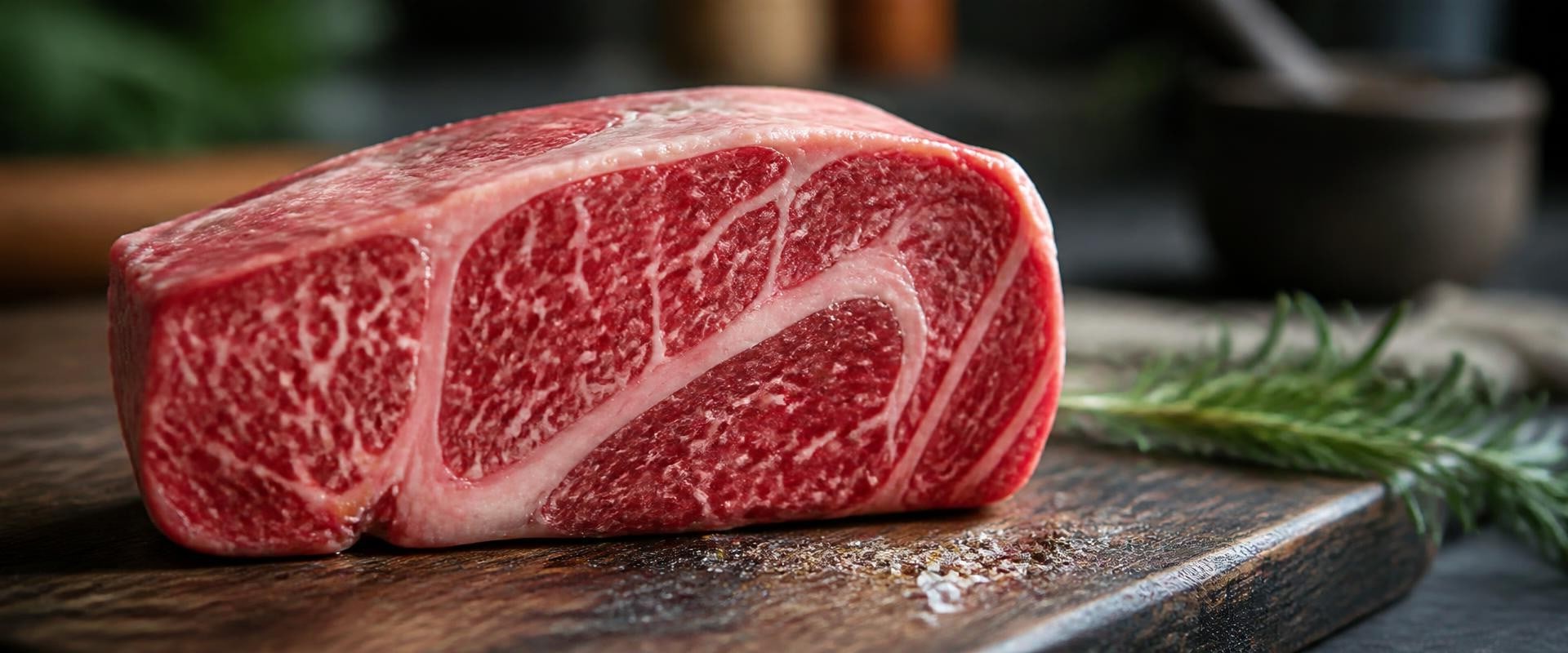
When it comes to enjoying a perfectly cooked steak, understanding the intricacies of marbling in beef can elevate your dining experience to new heights. At The Prime Cut Report, we delve deep into the various aspects of steak cuts, USDA grading, and the art of dry aging, ensuring that you have all the knowledge you need to make informed choices at your favorite steakhouse. One of the most critical factors that influence a steak's flavor and tenderness is its marbling—the intramuscular fat that enhances juiciness and contributes to a rich, buttery texture. In this article, we will explore the significance of marbling in beef and how it correlates with USDA grading standards, ultimately affecting the quality of your meal. By understanding the importance of marbling, you can better appreciate why some steaks are deemed superior to others. , we delve deep into the various aspects of steak cuts, USDA grading, and the art of dry aging, ensuring that you have all the knowledge you need to make informed choices at your favorite steakhouse. One of the most critical factors that influence a steak's flavor and tenderness is its marbling—the intramuscular fat that enhances juiciness and contributes to a rich, buttery texture. In this article, we will explore the significance of marbling in beef and how it correlates with USDA grading standards, ultimately affecting the quality of your meal. By understanding the importance of marbling, you can better appreciate why some steaks are deemed superior to others.
Join us as we unravel the mysteries of marbling and help you become a more discerning steak enthusiast.
Marbling in beef
refers to the intramuscular fat found within the muscle fibers of a steak. This fat is crucial as it not only enhances the overall flavor but also plays a significant role in determining the tenderness and juiciness of the meat. When cooked, the fat melts and seeps into the muscle, creating a moist and flavorful eating experience. Understanding this concept is essential for anyone looking to elevate their steak experience, and resources like The Prime Cut Report offer valuable insights into how marbling affects various cuts of beef and their respective USDA grading. The evaluation of marbling is primarily conducted through visual inspection, where trained graders assess the amount, distribution, and texture of the fat within the meat.This assessment is integral to the USDA grading system, which classifies beef into categories such as Prime, Choice, and Select. Prime beef exhibits abundant marbling, making it the highest quality available. Choice beef contains less marbling but still offers a good level of tenderness and flavor. Select beef, while leaner, may lack the richness associated with higher grades.
Knowing these distinctions can help diners make informed choices when selecting their cuts. Different steak cuts possess varying levels of marbling, which significantly impacts their culinary qualities. For instance, cuts like Ribeye and Filet Mignon are renowned for their high marbling content. The Ribeye, with its generous streaks of fat, promises a rich flavor and a buttery texture that many steak enthusiasts crave. On the other hand, Filet Mignon is celebrated for its tenderness; while it may not be as richly marbled as Ribeye, it still offers a delightful eating experience.
In contrast, lean cuts such as Sirloin or Flank Steak, while healthy options, may not provide the same depth of flavor or juiciness due to their lower marbling. When dining out or purchasing from a butcher, it’s essential to choose steaks with an appropriate level of marbling for your taste preferences. Look for cuts that exhibit visible flecks of fat throughout the muscle; this indicates good marbling. If you prefer a juicier steak with robust flavor, aim for cuts graded as Prime or high-Choice. Conversely, if you are looking for leaner options or are health-conscious, selecting lower-Choice or Select grades might suit your needs better. There are common misconceptions surrounding marbling, such as the belief that higher marbling always means healthier meat.
While it's true that marbled cuts tend to be more flavorful and tender, they also contain higher fat content, which may not align with everyone's dietary goals. Understanding your preferences and how marbling affects both flavor and health can aid in making better choices. Another aspect worth discussing is the dry aging process, which further enhances flavor and texture in beef. During dry aging, beef is stored in a controlled environment where moisture evaporates from the muscle while enzymes break down connective tissues. This results in intensified flavors and improved tenderness.
Dry-aged steaks often feature a unique nutty or earthy flavor profile that is highly sought after by steak aficionados. In summary, understanding marbling in beef is vital for anyone looking to enjoy high-quality steaks. By recognizing how marbling influences tenderness, juiciness, and flavor—and understanding its evaluation within the USDA grading system—diners can make informed choices when selecting their preferred cuts. Resources like The Prime Cut Report offer valuable insights into these aspects and can help enhance your steak-eating experience.
Dry Aging: Enhancing Flavor Through Time
Dry aging is a time-honored technique that significantly enhances the flavor and quality of beef, particularly by influencing the marbling within the meat. As beef ages in a controlled environment, moisture is drawn out, concentrating the flavors and allowing natural enzymes to break down muscle fibers.This process ultimately results in a more tender and flavorful steak. When it comes to marbling, dry aging can amplify its effects by tenderizing the connective tissues that surround the fat, allowing it to render more effectively during cooking. The science behind dry aging lies in its ability to create an optimal environment for flavor development. During this process, enzymes work to degrade protein structures, while beneficial microorganisms contribute to complex flavor profiles. The combination of these factors leads to an enhanced perception of marbling, which is crucial for the overall eating experience.
A well-marbled steak that has undergone dry aging can offer a depth of flavor that is both rich and nuanced. Understanding the relationship between dry aging and marbling is essential for anyone looking to elevate their steak experience. Resources like The Prime Cut Report provide valuable insights into how these processes work together to influence USDA grading and steak quality, empowering diners to make informed choices.
The Science of Marbling
Marbling refers to the small streaks and flecks of fat that are found within the muscle tissue of beef. This intramuscular fat is crucial for enhancing the flavor, tenderness, and overall quality of steak. The presence of marbling is one of the key factors that influence USDA grading, as it plays a significant role in determining the eating experience.Understanding marbling can help consumers make informed choices when selecting their steak, and resources like The Prime Cut Report provide valuable insights into this aspect of beef quality. There are different types of intramuscular fat, primarily categorized based on their appearance and distribution. The most desirable type is known as fine marbling, which consists of small, evenly distributed flecks throughout the muscle. This type of marbling melts during cooking, resulting in a juicy and flavorful steak. In contrast, coarse marbling, characterized by larger pieces of fat, may not render as effectively and can lead to a less desirable texture. The formation of marbling in cattle is influenced by several factors, including genetics, diet, and age.
Certain breeds, such as Wagyu and Angus, are renowned for their ability to develop superior marbling due to their genetic predisposition. Additionally, the diet of the cattle plays a crucial role; a high-energy diet rich in grains can promote greater fat deposition within the muscles compared to a forage-based diet. As cattle grow and mature, they naturally accumulate this intramuscular fat, which contributes to the overall quality of the beef. For those seeking to deepen their understanding of these aspects, The Prime Cut Report serves as an essential guide for navigating USDA grading and appreciating the intricacies of steak selection.
USDA Grading: Understanding Quality Grades
The USDA grading system is a vital component in understanding the quality of beef, and marbling plays a significant role in this classification.The Prime Cut Report serves as an invaluable resource for anyone looking to navigate the nuances of USDA grading, including how marbling affects the quality of steak. The USDA categorizes beef into several quality grades, primarily focusing on factors like marbling, maturity, and overall meat quality. Marbling refers to the intramuscular fat found within the beef, which directly influences its flavor, tenderness, and juiciness. In the USDA grading system, there are several classifications, including Prime, Choice, Select, and lower grades. Among these, Prime is the highest grade and is characterized by abundant marbling.
This high level of marbling not only enhances the flavor profile but also ensures a tender eating experience, making Prime cuts highly sought after by both chefs and steak enthusiasts. The presence of marbling is assessed during the grading process, where USDA inspectors evaluate the amount and distribution of fat within the meat. As a result, beef that falls into the Prime category typically exhibits superior marbling compared to lower grades like Choice or Select. Understanding these distinctions can empower diners to make informed choices when selecting their steaks, allowing them to fully appreciate the culinary experience. For those looking to delve deeper into these topics, The Prime Cut Report provides detailed explanations about USDA grading and other factors that influence beef quality. By familiarizing themselves with these concepts, both casual diners and steak aficionados alike can elevate their steak experience significantly.
Navigating Steakhouse Menus
When it comes to dining at a steakhouse, understanding the menu can significantly enhance your experience, especially when it comes to marbling in beef.The Prime Cut Report serves as an essential resource for diners who want to decode the intricacies of steakhouse menus and make informed selections based on marbling and USDA grading. First and foremost, look for terms that indicate quality. Steakhouses often use descriptors like Prime, Choice, or Select to signify the grade of beef.
Prime
beef is renowned for its abundant marbling, which contributes to its flavor and tenderness. If you’re seeking the best possible steak experience, aim for those cuts labeled as Prime.Next, pay attention to the specific cuts of meat listed on the menu.Different cuts have varying levels of marbling. For instance, a ribeye steak is typically known for its rich marbling compared to a filet mignon, which is leaner. Understanding these distinctions will help you select a steak that aligns with your flavor preferences. Additionally, many steakhouses provide details about their sourcing practices. Look for notes regarding whether the beef is dry-aged or grass-fed, as these factors can also influence both flavor and texture.
The Prime Cut Report offers valuable insights into dry aging processes that can help you appreciate these details more fully. Finally, don’t hesitate to ask your server about the marbling of specific cuts if it’s not explicitly stated on the menu. Knowledgeable staff can provide guidance and recommendations based on your taste preferences, ensuring you choose a steak that will meet your expectations. Remember, both casual diners and enthusiasts alike can benefit from understanding these nuances when navigating steakhouse menus. By utilizing resources like The Prime Cut Report and applying these tips while dining out, you can elevate your steak experience and truly savor the quality of your meal.
Steak Cuts: Which Ones to Choose?
When it comes to selecting the perfect steak, understanding marbling in beef is essential. The Prime Cut Report serves as a valuable resource for those looking to navigate the nuances of USDA grading and make informed choices based on marbling.Different steak cuts offer varying levels of marbling, which can significantly impact the flavor and tenderness of your meal. Some popular steak cuts known for their marbling include:
- Ribeye: Renowned for its rich flavor and tenderness, the ribeye boasts one of the highest levels of marbling. This cut's fat interspersed throughout the meat creates a juicy, flavorful experience that many steak lovers crave.
- New York Strip: With a good balance of flavor and marbling, the New York Strip is a favorite among many diners. It has a slightly firmer texture than ribeye but still delivers a satisfying taste thanks to its moderate marbling.
- T-Bone: Combining two cuts in one, the T-Bone includes both a strip steak and a tenderloin. The marbling on the strip side ensures you get great flavor, while the tenderloin provides a melt-in-your-mouth experience.
-
Filet Mignon: While this cut is known for its tenderness, it has less marbling compared to others.
However, its buttery texture and subtle flavor make it a popular choice for those seeking a softer bite.
- Porterhouse: Similar to the T-Bone but larger, the porterhouse features significant marbling on both sides. This cut is perfect for sharing and offers the best of both worlds with its combination of tenderloin and strip steak.
By familiarizing yourself with the intricacies of marbling, you empower yourself to make informed decisions whether you're dining at a steakhouse or shopping for the perfect cut at your local market. The insights provided by The Prime Cut Report serve as an invaluable resource, equipping both casual diners and steak enthusiasts with the knowledge necessary to navigate menus and understand grading systems confidently. This knowledge allows you to appreciate the nuances of different cuts and choose steaks that truly elevate your culinary experience.
Previous report
Elevating Your Steak Experience: Wine Pairings for Every Cut
Continue consulting the guide
More articles

Elevate Your Everyday Meals with the Perfect Steak Choice
Discover the ins and outs of steak cuts, USDA grading, dry aging, and how to navigate steakhouse menus for an elevated dining experience.

Mastering the Art of Grilling: Techniques for Perfect Steak Doneness
Explore essential grilling techniques, steak cuts, USDA grading, dry aging, and tips for navigating steakhouse menus to achieve perfect doneness.

Mastering the Sous Vide Method for Perfect Steak Cooking
Explore the sous vide method for precision steak cooking, understand steak cuts, grading systems, dry aging, and dining tips from The Prime Cut Report.

Exploring the Value of Premium Steaks in Fine Dining and Home Cooking
Discover the intricacies of premium steaks, from cuts to grading systems and dry aging, and learn how to navigate steakhouse menus effectively.