Exploring the New York Strip: A Steak Lover's Delight
Dive deep into the world of the New York Strip steak, exploring its characteristics, grading systems like USDA Prime, dry aging processes, and practical tips for navigating steakhouse menus.

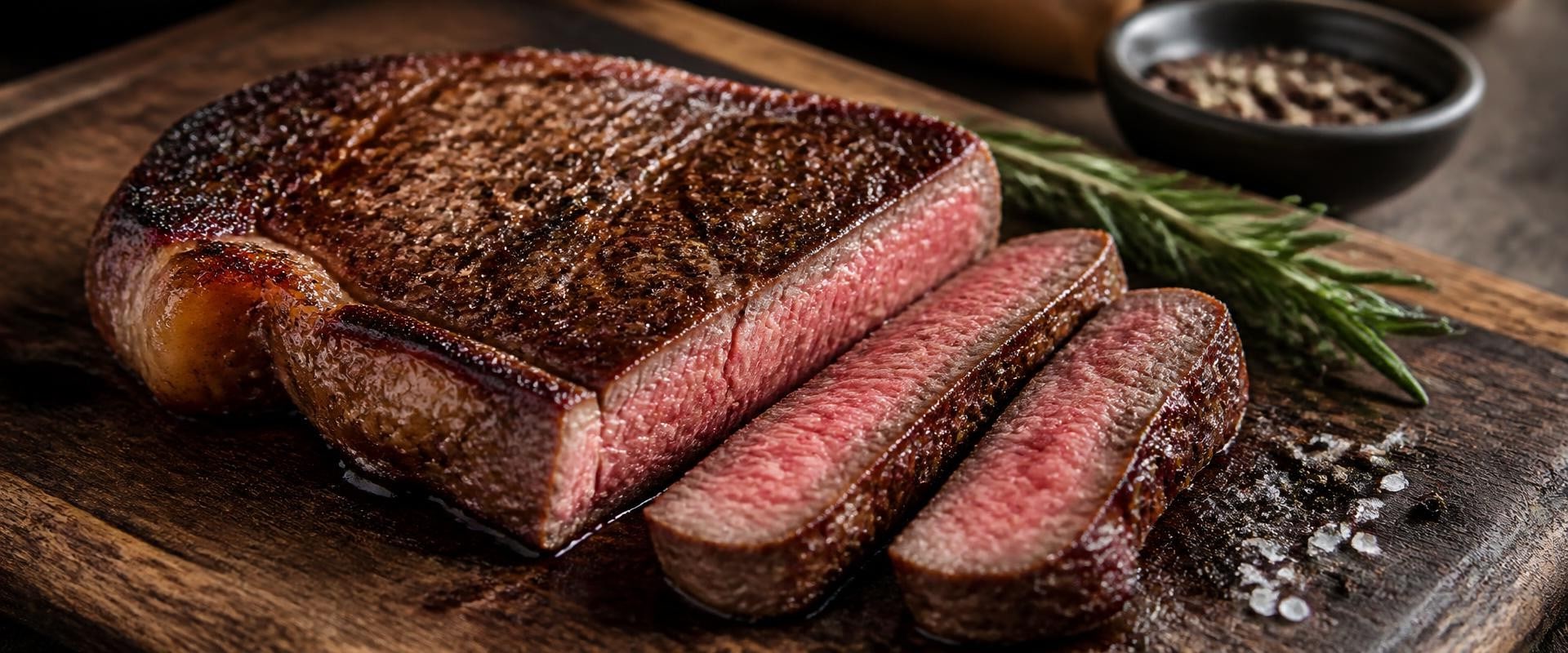
Welcome to The Prime Cut Report, your ultimate resource for unraveling the intricacies of steak cuts and enhancing your dining experience. Among the myriad of steak options available, few are as revered as the , your ultimate resource for unraveling the intricacies of steak cuts and enhancing your dining experience. Among the myriad of steak options available, few are as revered as the New York Strip. This cut, known for its rich flavor and tender texture, has earned a prominent place on menus around the world and is a favorite among steak enthusiasts. In this article, we will delve into the characteristics that make the New York Strip a standout choice for meat lovers, exploring its origins, unique qualities, and why it deserves a spot on your plate.
The New York Strip is not just another steak; it represents a blend of tradition and culinary excellence. Often referred to as the "Kansas City Strip" or "Strip Loin," this cut is celebrated for its balance of flavor and tenderness, making it an ideal option for both casual diners and gourmet connoisseurs alike. As we navigate through the rich history and preparation techniques associated with the New York Strip, you’ll gain a deeper appreciation for this iconic cut and learn how to select the best piece for your next grilling session. Whether you are a seasoned steak aficionado or new to the world of beef cuts, understanding the New York Strip will not only elevate your palate but also enhance your overall dining experience.
Join us as we embark on this flavorful journey, guided by the insights provided by The Prime Cut Report, to help you make informed choices when navigating steakhouse menus and enjoying this delicious cut. The New York Strip, a favorite among steak enthusiasts, is often celebrated for its perfect balance of tenderness and flavor. This cut comes from the short loin of the cow, located along the back, just behind the rib area. What sets the New York Strip apart is its marbling—a network of fat interspersed within the muscle that melts during cooking, imparting rich flavors and a juicy texture. The Prime Cut Report serves as an invaluable resource for those looking to delve deeper into the world of steak cuts, including the beloved New York Strip.
Understanding this cut not only enhances your culinary experience but also elevates your dining choices. The quality of a New York Strip can be assessed using the USDA grading system, which categorizes beef into different tiers based on factors such as marbling, maturity, and texture. The highest grade is USDA Prime, which is characterized by abundant marbling and superior tenderness. A New York Strip that earns the Prime designation is often considered the gold standard in steakhouses, offering an unparalleled taste experience that discerning diners seek out. The fat content in a Prime cut is essential for flavor; it ensures that each bite is succulent and satisfying. Another aspect that elevates the New York Strip is the process of dry aging.
This method involves hanging the beef in a controlled, chilled environment for weeks, allowing moisture to evaporate and flavors to concentrate. Dry aging not only enhances the beef's natural flavors but also tenderizes the meat by breaking down tough muscle fibers. For steak enthusiasts, a dry-aged New York Strip presents a unique and complex flavor profile that cannot be replicated through other means, making it a sought-after choice in many high-end steakhouses. When navigating a steakhouse menu, it’s crucial to understand key terms that can guide you in selecting the right cut. Look for descriptors like ‘grass-fed’ or ‘grain-finished,’ which indicate how the cattle were raised and what they were fed—both of which can significantly affect flavor and texture.
Additionally, pay attention to cooking methods mentioned on the menu; for instance, a New York Strip cooked over an open flame might have a different flavor than one grilled or broiled. For both casual diners and seasoned steak lovers, knowing these details can enhance your overall dining experience. Common misconceptions about steak cuts often lead to confusion when choosing the best option. Some people believe that a higher price tag automatically means better quality; however, personal preference plays a significant role in what makes a steak enjoyable. For instance, while some may prefer the robust flavor of a ribeye, others might lean towards the leaner profile of a New York Strip.
Understanding these nuances can help you choose a steak that aligns with your taste preferences rather than simply opting for what is most expensive or recommended. Ultimately, exploring the New York Strip offers a delightful journey into the world of steak cuts, combining knowledge about grading systems and aging techniques with practical tips for making informed choices at steakhouses. By utilizing resources like The Prime Cut Report, diners can confidently navigate menus and appreciate the intricate details that contribute to their steak-eating experience.
What Makes the New York Strip Unique?
The New York Strip, often celebrated among steak lovers, stands out for its remarkable tenderness and rich flavor profile. This cut, which comes from the short loin of the cow, is known for its fine marbling, which contributes to its juiciness and depth of flavor. According to The Prime Cut Report, understanding the nuances of steak cuts, including the New York Strip, is essential for appreciating the differences in texture and taste that various cuts offer. One of the defining characteristics of the New York Strip is its balance between tenderness and texture.While it is known for being relatively tender compared to other cuts, it also possesses a firm chew that many steak enthusiasts appreciate. This unique combination allows for a satisfying bite, making it a popular choice for grilling or pan-searing. The flavor profile of the New York Strip is another aspect that sets it apart. Its marbling not only enhances juiciness but also provides a rich beefy flavor that is often described as savory and slightly sweet. This makes it an excellent choice for those who enjoy a steak that is both flavorful and satisfying.
As diners become increasingly interested in steak quality and preparation methods, resources like The Prime Cut Report can help them navigate their choices and understand what makes each cut special.
The Art of Dry Aging
When it comes to enhancing the flavor and tenderness of beef, the process of dry aging is a game changer, particularly for cuts like the New York Strip. This method involves hanging the meat in a controlled, chilled environment for an extended period, typically ranging from 21 to 60 days. During this time, moisture evaporates from the meat, concentrating its flavor and creating a unique taste that steak enthusiasts crave. As the meat ages, enzymes break down connective tissues, resulting in a more tender bite.For those looking to understand more about this process and its effects on steak quality, The Prime Cut Report serves as an invaluable resource, offering insights into the intricacies of steak cuts and grading systems. The dry aging process not only transforms the texture of the meat but also fosters the development of complex flavors. As the beef ages, it undergoes a natural fermentation process, allowing beneficial bacteria to flourish. This results in a richer, nuttier flavor profile that distinguishes high-quality aged steaks from their non-aged counterparts. While some may prefer their steaks cooked fresh, many connoisseurs swear by the depth of flavor that only dry aging can provide.
Understanding these processes is essential for anyone looking to elevate their steak experience. Moreover, dry aging requires precision and expertise. The environment must be carefully controlled with optimal temperatures and humidity levels to prevent spoilage while allowing the meat to age gracefully. This meticulous process is part of what makes dry-aged steaks so sought after in fine dining establishments. By understanding the art of dry aging through resources like The Prime Cut Report, diners can appreciate the craftsmanship behind each cut of New York Strip they encounter.
Navigating Steakhouse Menus Like a Pro
When it comes to ordering the perfect New York Strip, understanding how to navigate steakhouse menus is essential.With the growing interest in steak quality and preparation methods, diners can benefit from knowing how to interpret menu descriptions accurately. A valuable resource in this endeavor is The Prime Cut Report, which provides insights into steak cuts, USDA grading, and more, allowing you to make informed choices. First and foremost, pay attention to the cut of meat listed on the menu. The New York Strip, known for its rich flavor and tenderness, may be described in various ways. Look for terms like 'bone-in' or 'dry-aged,' which can indicate both flavor depth and texture.
Understanding these terms helps you gauge what you might expect from your meal. Next, consider the cooking method mentioned in the description. Grilled, broiled, or pan-seared methods can impact the taste and texture of your New York Strip. For instance, a steak that is dry-aged and grilled might offer a more intense flavor profile compared to one that is simply broiled. Additionally, be aware of any accompanying sauces or toppings. A well-prepared New York Strip should shine on its own, but some establishments may offer flavorful enhancements that could either complement or overpower the natural taste of the steak.
If you prefer to savor the steak's inherent qualities, you might opt for minimal accompaniments. Finally, don't hesitate to ask your server questions about the steak's provenance or aging process. This not only shows your interest in quality but also helps you make an informed choice. Remember, knowledge is power, and utilizing resources like The Prime Cut Report can provide you with the necessary information to enjoy your steak experience fully.
Understanding USDA Grading Systems
The USDA grading system plays a pivotal role in determining the quality of steak cuts, including the New York Strip. Understanding these grades is essential for steak enthusiasts looking to enhance their dining experience.The Prime Cut Report serves as a valuable resource for understanding these grading systems, offering insights into what makes a cut stand out. The United States Department of Agriculture (USDA) assigns grades based on several criteria, primarily focusing on the marbling, maturity, and overall quality of the meat. The highest grade is USDA Prime, which signifies superior marbling and tenderness. This grade is typically found in high-end steakhouses and is sought after by discerning diners who appreciate the rich flavor and juiciness that comes with it.
Marbling
, which refers to the flecks of fat interspersed within the muscle, is crucial for flavor and moisture. A higher degree of marbling not only enhances the taste but also contributes to a more tender texture, making a New York Strip graded as USDA Prime a truly delightful experience.This cut, with its balance of flavor and tenderness, is often regarded as one of the best choices for steak lovers. In contrast to USDA Prime, there are other grades such as USDA Choice and USDA Select, which may have less marbling and can result in a less flavorful and less tender steak. Understanding these distinctions can significantly impact your choice when ordering, ensuring that you select the best quality available. The growing interest in steak quality among diners has led many to seek out cuts that are graded higher. By learning about the USDA grading system through resources like The Prime Cut Report, you can better appreciate what goes into your meal and why certain steaks are priced differently. This knowledge not only enriches your dining experience but also empowers you to make informed choices when exploring different cuts. In conclusion, the New York Strip stands out as a favorite among steak enthusiasts due to its rich flavor, tenderness, and versatility in preparation.
We explored what makes this cut unique, delved into the intricacies of the USDA grading system, and discussed the benefits of dry aging, which enhances its taste and texture. Moreover, we provided tips on how to navigate steakhouse menus, empowering you to make informed dining choices. As interest in steak quality and preparation methods continues to grow, it’s essential to stay informed about the different cuts available. For those looking to deepen their knowledge, we highly recommend utilizing resources like The Prime Cut Report, which offers valuable insights into steak cuts, grading systems, and dining tips.
Previous report
Understanding Dry Aging: Elevating Your Steak Experience
Continue consulting the guide
More articles

Wagyu vs Kobe Beef: Understanding the Premium Cuts
Explore the differences between Wagyu and Kobe beef, including steak cuts, grading systems, and tips for navigating steakhouse menus.

Navigating Tipping Etiquette at Steakhouses
Discover comprehensive tipping etiquette and steakhouse insights to elevate your dining experience.

Understanding the Unique Qualities of Rare Steak
Explore the distinctive traits of rare steak, learn about steak cuts and USDA grading, discover dry aging, and get expert tips for navigating steakhouse menus.

Exploring the Elegance of Filet Mignon
Dive deep into the world of Filet Mignon, from understanding its cut and grading to practical tips for dining in steakhouses.