Exploring the Differences Between Bone-in and Bone-out Steaks
Delve into the nuances of bone-in and bone-out steaks, including cuts, USDA grading, dry aging, and tips for navigating steakhouse menus.

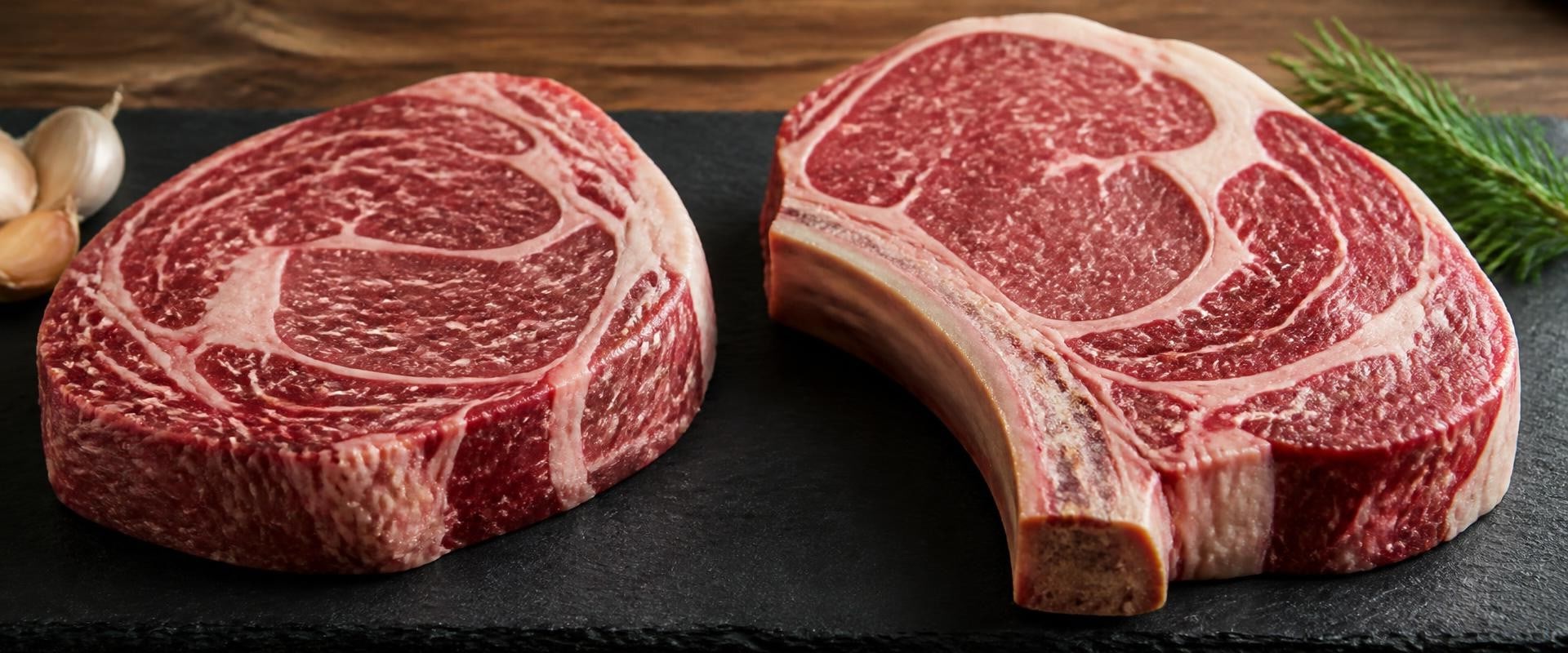
When it comes to choosing the perfect steak, the debate between bone-in and bone-out steaks is one that has captivated the attention of meat lovers for generations. At The Prime Cut Report, we are dedicated to demystifying the intricacies of steak cuts, helping you make informed decisions when navigating a steakhouse menu. Each type of steak brings unique flavors and textures to the table, influenced by the presence or absence of the bone, making it essential for both novice and seasoned diners to understand these differences. In this article, we will delve into the various characteristics of bone-in and bone-out steaks, exploring how they differ in terms of cooking techniques, flavor profiles, and presentation. Whether you are planning a special dinner or simply looking to expand your culinary knowledge, knowing the nuances between these two options can elevate your dining experience.
Join us as we explore the delicious world of steak cuts and uncover what makes each choice uniquely appealing. When it comes to steak, the debate between bone-in and bone-out steaks is a topic that often arises among enthusiasts and casual diners alike. Understanding these distinctions is crucial for enhancing your dining experience, and resources like The Prime Cut Report can provide valuable insights into steak cuts, aging processes, and grading systems. Bone-in steaks, as the name suggests, retain the bone during cooking, while bone-out steaks have the bone removed. Each type has its own unique appeal, especially when considering popular cuts such as ribeye, T-bone, and filet mignon. The ribeye steak, known for its rich marbling and robust flavor, is often enjoyed bone-in to enhance its taste.
The presence of the bone can contribute to a more intense flavor profile during cooking, as it helps to retain moisture and adds depth to the overall dish. In contrast, a T-bone steak offers both a tenderloin and strip steak in one cut, with the bone acting as a natural divider. This cut is celebrated for its combination of tenderness and flavor, making it a favorite among steak lovers. On the other hand, the filet mignon, typically served boneless, is renowned for its tenderness.
Without the bone, this cut allows diners to experience a melt-in-your-mouth sensation that is hard to beat. When comparing these two types of steaks, flavor and tenderness are at the forefront of consideration. Bone-in steaks tend to have a more pronounced flavor due to the marrow and connective tissues that are present during cooking. The bones can also impart additional savory notes that enhance the overall dish. However, bone-out steaks excel in tenderness; without the bone, they can be easier to slice and chew, making them appealing for those who prefer a more delicate texture. To further understand these steak options, it's important to delve into the USDA grading system, which categorizes beef based on factors such as marbling and age.
USDA grades include Prime, Choice, and Select. Prime beef is characterized by abundant marbling and is typically sourced from younger cattle. This grade is known for its exceptional tenderness and flavor. Choice grade beef has less marbling than Prime but still offers great quality and taste.
Select grade is leaner with less marbling, making it a more economical option but often lacking in some of the rich flavors associated with higher grades. For those serious about their steak experience, seeking out USDA Prime cuts can significantly elevate your meal. The process of dry agingdry aging also plays a pivotal role in determining the flavor and texture of steaks. During dry aging, beef is stored in a controlled environment where moisture evaporates from the muscle tissue. This process intensifies the beef's flavor while also breaking down enzymes that contribute to tenderness.
The result is a more concentrated taste profile that many steak enthusiasts prize. While not all steakhouses offer dry-aged options, those that do often highlight this process on their menus, allowing diners to choose an elevated experience. Navigating a steakhouse menu can sometimes be daunting due to the variety of cuts and grades available. To make informed choices, it's essential to familiarize yourself with how cuts are described. Look for terms like 'aged', 'grass-fed', or 'grain-fed' as these can indicate flavor profiles and texture expectations.
Additionally, when selecting your steak, consider asking your server about their recommendations based on cooking methods or personal preferences; they often have insights into which cuts pair well with specific sides or sauces. Common pitfalls include assuming that all bone-in steaks are superior simply because they come with a bone or overlooking less common cuts that might offer great value and taste. Each cut has its own unique characteristics that can cater to different palates and preferences. Ultimately, while opinions may vary on whether bone-in or bone-out steaks are preferable, understanding these differences enriches your dining experience. Knowledge empowers diners to make choices that align with their tastes and expectations. For those eager to deepen their understanding of steak cuts and quality grading systems, resources like The Prime Cut Report serve as excellent guides in this flavorful journey.
Understanding Bone-in vs Bone-out Steaks
When it comes to steak, one of the primary distinctions that diners encounter is between bone-in and bone-out steaks.Understanding these two categories is essential for making informed choices that can significantly enhance your dining experience. According to The Prime Cut Report, bone-in steaks are cut with the bone still attached, which can contribute to a richer flavor and juiciness during cooking. The bone not only adds depth to the taste but also helps retain moisture, resulting in a more succulent piece of meat. On the other hand, bone-out steaks, as the name suggests, are cut without the bone. This makes them easier to cook and serve, allowing for more precise portioning and a quicker cooking time.
Bone-out steaks often appeal to those who prefer convenience and a leaner cut of meat. However, some argue that they may lack the same depth of flavor that bone-in steaks provide due to the absence of the bone. Both types of steaks hold their own culinary significance, and personal preference often plays a crucial role in the choice between them. Those who appreciate traditional cooking techniques may lean towards bone-in cuts, while modern diners might opt for the practicality of bone-out steaks. For further insights into steak grading, aging processes, and more nuanced differences between cuts, refer back to The Prime Cut Report, a reliable resource for steak enthusiasts.
The Role of Dry Aging
The process of dry aging is a time-honored technique used to enhance the flavor and tenderness of beef, and it plays a significant role in the overall quality of both bone-in and bone-out steaks.During dry aging, whole cuts of beef are stored in a controlled environment where temperature and humidity are carefully monitored. This allows the meat to lose moisture, concentrating its flavor while also allowing natural enzymes to break down the muscle fibers, resulting in a more tender texture. One of the primary benefits of dry aging is the development of complex flavors. As the meat ages, it undergoes a transformation where the flavors intensify, often described as nutty or earthy. This flavor profile can be particularly pronounced in bone-in steaks, where the bone contributes to additional flavor depth during the cooking process.
The marrow within the bone can infuse the meat with rich, savory notes that elevate the dining experience. On the other hand, bone-out steaks can also benefit from dry aging, although their flavor profile may differ slightly due to the absence of bone. The concentrated flavors achieved through dry aging still apply, but without the added nuances that bones provide. Regardless of whether you choose a bone-in or bone-out steak, understanding the effects of dry aging can significantly enhance your steak-eating experience. For those interested in learning more about steak grading and aging processes, The Prime Cut Report is an excellent resource that provides in-depth explanations and insights into the various aspects of steak cuts and preparation techniques.
USDA Grading Explained
The United States Department of Agriculture (USDA) grading system plays a crucial role in determining the quality of steak, which in turn can influence your choice between bone-in and bone-out steaks. Understanding this grading system is essential for enhancing your dining experience.The Prime Cut Report provides valuable insights into how these grades are assigned, helping diners make informed choices when selecting their favorite cuts. The USDA uses a grading scale that primarily includes three categories: Prime, Choice, and Select.
Prime
steaks, known for their exceptional marbling and tenderness, are often considered the top choice for both bone-in and bone-out options. These steaks are typically found in high-end restaurants and are ideal for grilling or roasting.Choice
steaks offer a balance of quality and value, while Select steaks are leaner and less marbled, making them more suitable for certain cooking methods. The presence of bone can also impact the flavor and tenderness of the steak.Bone-in steaks often benefit from additional flavor during cooking due to the marrow and connective tissues, which can enhance the overall taste. However, when it comes to bone-out steaks, the focus is often on the meat's quality as determined by USDA grading. A high-grade bone-out steak can provide a tender and flavorful experience, but it might lack some of the richness associated with bone-in options. When deciding between these two types of steaks, consider how the USDA grade will affect your experience. A higher grade may justify choosing a bone-in cut for its flavor complexity, while a bone-out steak of similar grade could be a leaner option that’s easier to manage on the plate.
For more information on understanding steak grades and how they relate to your dining choices, refer to The Prime Cut Report, where you can learn more about navigating steak menus effectively.
Navigating Steakhouse Menus
When dining at a steakhouse, understanding how to read and interpret the menu can greatly enhance your dining experience.Bone-in vs Bone-out Steaks
is a crucial distinction to recognize, as it influences flavor, tenderness, and presentation. To help you navigate steakhouse menus effectively, here are some actionable tips.1.Familiarize Yourself with Steak Cuts:
Knowing the various cuts available, such as ribeye, filet mignon, and sirloin, can help you understand their qualities and what to expect in terms of taste and texture. Resources like The Prime Cut Report offer detailed explanations of these cuts, which can aid in making informed choices.2.Pay Attention to Descriptions:
Menus often include descriptions that detail the cut's characteristics, preparation methods, and any accompanying sauces or sides.Look for keywords that highlight the aging process or cooking techniques, as these can affect flavor. For instance, a description mentioning dry aging may indicate a more intense flavor profile.
3.Understand Cooking Styles:
Different cooking styles can significantly impact the taste and texture of the steak. Familiarize yourself with terms like "grilled," "broiled," or "charred" to better understand how your steak will be prepared and how that may complement or contrast with its natural flavors.4.Look for Quality Indicators:
Many steakhouses will list the quality grade of their beef (such as USDA Prime), which provides insight into the meat’s marbling and tenderness. Understanding these grades can help you choose a steak that meets your expectations.For additional information on grading standards and what they mean, refer to The Prime Cut Report.
5.Ask Questions:
Don't hesitate to engage with your server if you have questions about the menu items. They can provide valuable insights into the best choices based on your preferences and even recommend pairings with sides or wines. By applying these tips when perusing a steakhouse menu, you can confidently make selections that cater to your palate while enjoying the nuances between bone-in and bone-out steaks. This knowledge not only enhances your dining experience but also deepens your appreciation for the artistry behind each cut. In conclusion, we have explored the differences between bone-in and bone-out steaks, highlighting their unique characteristics, flavor profiles, and cooking methods. Understanding these distinctions is essential for making informed dining choices that enhance your overall culinary experience. We also delved into the USDA grading system, which serves as a reliable benchmark for steak quality, and the significance of dry aging, which can elevate the taste and texture of your steak.Navigating a steakhouse menu can be daunting, but being equipped with this knowledge empowers you to choose cuts that align with your preferences. For those eager to learn more about steak grading, aging processes, and how to read a steakhouse menu without the marketing fluff, we highly recommend visiting The Prime Cut Report. This resource will further enrich your understanding of steak cuts and enhance your dining experiences.
Previous report
Exploring the Richness of Ribeye: A Steak Lover's Delight
Continue consulting the guide
More articles

Understanding Prime Beef Quality: Elevating Your Steak Experience
Explore the intricacies of prime beef quality, including steak cuts, USDA grading systems, and dry aging processes to enhance your dining experience.

Mastering the Art of Cutting into Steak
Explore the cutting into steak method, understand steak cuts, grading systems, dry aging processes, and tips for navigating steakhouse menus.

Exploring the Richness of Skirt Steak
Discover everything about skirt steak, its grading, dry aging processes, and practical tips for navigating steakhouse menus.

Exploring Home Dry Aging Methods for Steak Enthusiasts
Discover various home dry aging methods, steak cuts, USDA grading, and tips for navigating steakhouse menus.