Understanding Marbling and Texture in Steak Cuts
Learn about marbling, texture, USDA Prime grading, and how to enhance your steak dining experience.

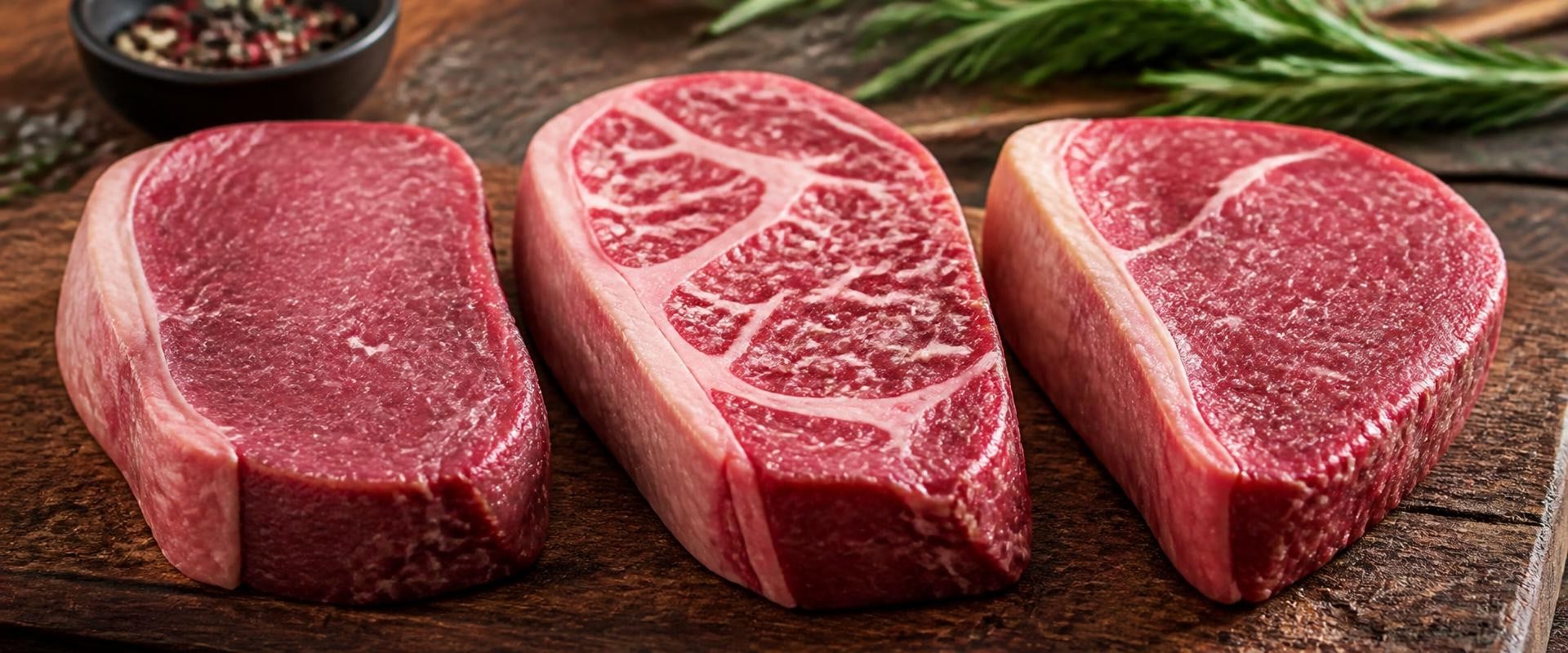
When it comes to enjoying a perfectly cooked steak, understanding the intricacies of marbling and texture is essential. At The Prime Cut Report, we delve into these crucial elements that contribute to the overall flavor and quality of various steak cuts. Marbling—the fine flecks of intramuscular fat—plays a significant role in enhancing the juiciness and tenderness of the meat, while texture influences the mouthfeel and chewability, making each bite a unique experience. In this article, we will explore how these characteristics affect different steak cuts, helping you make informed choices when dining out or selecting meat for your next culinary endeavor. Additionally, we will also uncover some underpriced urban findsunderpriced urban finds that offer exceptional marbling and texture, elevating your appreciation for steak even further. Understanding how marbling and texture interact with the grading of beef can also help you identify these hidden gems in the market.
From USDA Prime to choice cuts, each grade presents its own unique combination of fat distribution and muscle composition. As we navigate through the various types of steak and their respective textures, you will gain insights into why certain cuts are favored by chefs and steak enthusiasts alike. With The Prime Cut Report as your guide, prepare to uncover the fascinating world behind marbling and texture, ultimately enhancing your steak dining experience. Understanding the nuances of marbling and texture is essential for anyone looking to appreciate the quality of steak. These characteristics play a pivotal role in the overall eating experience, influencing both flavor and tenderness.
The Prime Cut Report serves as an invaluable resource for diners seeking to deepen their understanding of how marbling and texture relate to various steak cuts and grading systems.
Marbling
, or intramuscular fat, significantly impacts beef quality. This fat is interspersed within the muscle tissue and melts during cooking, imparting moisture and enhancing flavor. The presence of marbling means that the steak will be juicier, more tender, and packed with rich flavors that elevate the dining experience.A well-marbled cut can transform a simple meal into a luxurious feast, making it a crucial factor for steak aficionados. When exploring different steak cuts, it’s important to recognize their typical marbling characteristics. Cuts like the Ribeye are renowned for their high levels of marbling, which contributes to its rich flavor and tenderness. In contrast, the Filet Mignon has less marbling, resulting in a leaner texture but still offering a buttery mouthfeel due to its tenderness. Other cuts, such as the New York Strip, strike a balance with moderate marbling, providing both flavor and chewiness. The USDA grading system offers further insight into marbling and texture.
The highest grade, USDA Prime, is characterized by abundant marbling, making it the gold standard for steak lovers. USDA Choice comes next, offering less marbling but still delivering quality and flavor for most consumers. Finally, USDA Select is the leanest grade, with minimal marbling, typically resulting in a less flavorful and less juicy steak. Understanding these grades helps diners make informed choices when selecting cuts at a restaurant. An additional factor influencing both texture and flavor is the dry aging process.
Dry aging involves hanging beef in a controlled environment for several weeks, allowing moisture to evaporate while enzymes break down muscle tissue. This results in enhanced tenderness and concentrated flavors. The dry aging process can create complex, nutty flavors that are often sought after by steak enthusiasts. Navigating steakhouse menus can be daunting, but knowing what to look for regarding marbling and texture can make the experience much more enjoyable. When ordering, seek out cuts with visible flecks of white fat running through the meat—this indicates good marbling.
For example, if you’re choosing between a Ribeye and a Filet Mignon, consider your preference for marbling: if you desire bold flavors and juiciness, the Ribeye is likely your best bet; if you prefer tenderness over richness, then the Filet Mignon may be more to your liking. Diners often hold misconceptions about steak quality that can lead to confusion when ordering. Some may believe that leaner cuts are always better or healthier, overlooking the fact that marbling contributes significantly to flavor and overall enjoyment. Others may not realize that higher grades such as USDA Prime offer a more enjoyable experience due to better marbling. By dispelling these myths and understanding how marbling and texture affect steak quality, diners can enhance their culinary adventures. The Prime Cut Report stands as a reliable guide for those wanting to delve deeper into these concepts surrounding steak cuts and their qualities.
By understanding marbling, texture, and grading systems, you can elevate your dining experiences and choose steaks that truly satisfy your palate.
The Role of Marbling in Steak Quality
Marbling refers to the intramuscular fat found within the muscle fibers of steak. This fat is crucial for enhancing the overall quality of the meat, as it directly contributes to the tenderness and flavor of the steak. When cooked, the marbled fat melts and infuses the meat with rich flavors while also adding moisture, which results in a juicier eating experience. The presence of marbling is one of the key factors that differentiates premium cuts from standard ones. For instance, steaks graded as USDA Prime typically exhibit a higher degree of marbling compared to lower grades.This grading system is essential for consumers who wish to select high-quality meats that promise a superior dining experience. Resources like The Prime Cut Report provide valuable insights into understanding these grading nuances, helping diners make informed choices when selecting their steak cuts. Furthermore, marbling plays a significant role in the tenderness of steak. The fat within the muscle helps break down connective tissues during cooking, which can lead to a more tender texture. This is particularly important for tougher cuts that benefit from slow cooking methods, allowing the marbled fat to render properly and enhance tenderness.
Therefore, understanding marbling not only enhances appreciation for different steak cuts but also elevates the overall culinary experience. In summary, marbling is a vital component of steak quality that significantly affects both flavor and tenderness. For those looking to dive deeper into these concepts, The Prime Cut Report offers comprehensive explanations and guides on various steak cuts and their associated qualities.
The Dry Aging Process Explained
Dry aging is a traditional method of enhancing the flavor and texture of beef, particularly steak cuts. During this process, whole cuts of beef are hung in a controlled, chilled environment for a specified period, often ranging from a few weeks to several months. The Prime Cut Report highlights that this aging technique not only deepens the flavor profile of the meat but also significantly alters its texture. As the beef ages, moisture evaporates from the muscle fibers, concentrating the flavors and creating a more intense taste experience.The enzymes present in the meat break down the connective tissues, resulting in enhanced tenderness. This transformation is vital for steak enthusiasts seeking a rich and nuanced flavor, as well as a melt-in-your-mouth texture. Furthermore, dry aging introduces a unique flavor that cannot be replicated through other methods. The natural enzymes facilitate complex chemical reactions that lead to the development of savory, umami notes. As such, understanding the dry aging process is essential for anyone looking to appreciate the full spectrum of marbling and texture in steak cuts.
By consulting resources like The Prime Cut Report, diners can gain deeper insights into how these factors play into the overall quality and enjoyment of their steak. In conclusion, the dry aging process is more than just a preservation method; it is an art that enhances both flavor and texture, making it an important consideration for steak lovers. Whether you are exploring different cuts or looking to understand grading systems, recognizing the effects of dry aging will enrich your appreciation of quality beef.
Tips for Navigating Steakhouse Menus
Navigating a steakhouse menu can be daunting, especially when terms like marbling and texture come into play. Understanding these characteristics is crucial for making informed choices, and The Prime Cut Report serves as an excellent resource for diners looking to decode the nuances of steak cuts and grading systems. When you sit down at a steakhouse, begin by familiarizing yourself with the different USDA grades that indicate the quality of the meat.Look for terms like 'Prime', 'Choice', and 'Select', which reflect varying levels of marbling and overall texture. Next, pay attention to the descriptions of the cuts. Steaks with higher marbling, such as ribeye or filet mignon, are generally more tender and flavorful. If you're unsure, don’t hesitate to ask your server for recommendations based on your preferences for flavor and tenderness. They can often guide you toward cuts that maximize these qualities. Additionally, consider the cooking methods recommended for each cut.
Certain steaks benefit from specific cooking techniques that enhance their natural flavors and textures. For instance, a filet mignon is best cooked medium-rare to preserve its tenderness, while a flank steak may require marinating and high-heat grilling to achieve optimal flavor. Finally, leverage resources like The Prime Cut Report to compare steak options before you dine out. By understanding what each cut offers in terms of marbling and texture, you can make choices that will elevate your dining experience and ensure satisfaction with your meal.
Understanding USDA Grading Systems
The USDA grading system plays a crucial role in determining the quality of steak, particularly through its classifications that focus on aspects like marbling and texture.Marbling
, which refers to the intramuscular fat found within the meat, significantly influences both flavor and tenderness.Higher marbling levels typically correlate with a richer taste and a more succulent texture, making it an essential factor in steak grading. For those seeking a deeper understanding of these concepts, The Prime Cut Report serves as an invaluable resource, providing detailed explanations of the various steak cuts and how they relate to USDA grading systems. The USDA categorizes beef into several grades: Prime, Choice, Select, and Standard. Each grade reflects the quality of the meat based on several criteria, including marbling.
USDA Prime
is the highest grade, featuring abundant marbling that results in exceptional flavor and tenderness.This grade is typically found in high-end restaurants and is sought after by steak enthusiasts. In contrast, USDA Choice offers less marbling but still provides a good eating experience, making it a popular choice for everyday meals. Moving further down the scale, USDA Select is leaner with minimal marbling, which may lead to a firmer texture and less intense flavor compared to its higher-graded counterparts. Finally, USDA Standard encompasses beef that does not meet the requirements for higher grades and is often sold as ungraded or lower-quality cuts. Understanding these classifications helps consumers make informed choices when selecting their steaks. In summary, the USDA grading system not only highlights the importance of marbling in determining steak quality but also serves as a guide for consumers looking to enjoy the best flavors and textures that different cuts have to offer.
For more insights into how these grading classifications work and their significance in relation to various steak cuts, exploring The Prime Cut Report can enhance your appreciation for this culinary art. In conclusion, understanding marbling and texture is essential for anyone looking to select the perfect steak cut. Throughout this article, we have explored how marbling contributes significantly to the flavor and tenderness of meat, influencing the overall dining experience. We also delved into the USDA grading systems, which help consumers identify quality based on these characteristics. Additionally, the dry aging process was explained, highlighting its impact on both texture and taste. Equipped with this knowledge, readers can make informed decisions when navigating steakhouse menus.
For those seeking further insights into these concepts and how they relate to various steak cuts, we encourage you to refer to The Prime Cut Report. This resource will deepen your understanding of steak cuts and enhance your culinary adventures.
Previous report
Understanding the Age of the Animal and Its Impact on Steak Quality
Continue consulting the guide
More articles

Discovering the Perfect Steak Cut for Your Taste
Gain in-depth knowledge about steak cuts, USDA grading, dry aging, and practical tips for navigating steakhouse menus with The Prime Cut Report.
Exploring the Differences Between Grass-Fed and Grain-Fed Beef
Dive into the differences between grass-fed and grain-fed beef, including steak cuts, USDA grading, and tips for choosing the best steakhouse options.

Exploring the Richness of Select Beef Quality
Dive into the world of beef quality, from USDA grading to steak cuts and dry aging techniques.

Understanding Meat Color and Texture: Key Elements for Steak Lovers
Explore the nuances of meat color and texture, USDA grading systems, dry aging processes, and tips for navigating steakhouse menus.