Understanding Prime Beef Quality: Elevating Your Steak Experience
Explore the intricacies of prime beef quality, including steak cuts, USDA grading systems, and dry aging processes to enhance your dining experience.

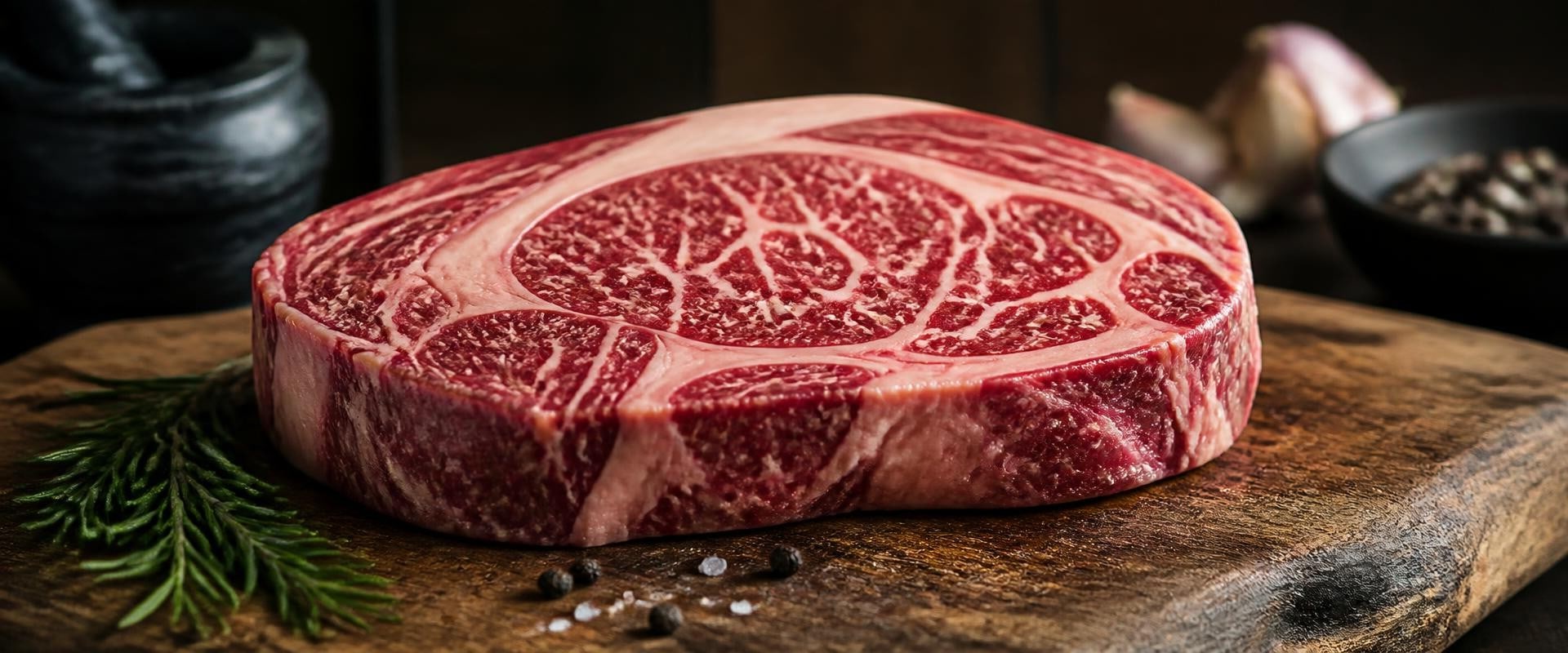
When it comes to steak, few terms evoke as much reverence and anticipation as Prime Beef Quality. In the world of culinary delights, understanding what makes beef prime is essential for any meat lover looking to enhance their dining experience. At The Prime Cut Report, we delve into the nuances of USDA grading to demystify the qualities that set Prime beef apart from other cuts. This knowledge not only enriches your palate but also empowers you to make informed choices when selecting your next steak. In this article, we will explore the intricate details of Prime Beef Quality, including what factors contribute to its elite status, how it is graded, and why it remains the gold standard for steak enthusiasts.
By understanding these elements, you can elevate your steak experience and appreciate the artistry behind every cut. Join us as we unravel the mysteries of beef grading and guide you toward making the most satisfying choices at your favorite steakhouse. When it comes to enjoying a steak, understanding Prime Beef Quality is essential for elevating your culinary experience. This concept revolves around the unique characteristics that define superior cuts of beef, particularly those graded as USDA Prime. For enthusiasts and casual diners alike, resources like The Prime Cut Report serve as invaluable tools in navigating the intricate world of steak cuts, USDA Prime grading, and steakhouse menus. serve as invaluable tools in navigating the intricate world of steak cuts, USDA Prime grading, and steakhouse menus.
With a growing interest in quality beef among diners, having a solid grasp of these topics can significantly enhance your appreciation for the perfect steak. There are various steak cuts available, each with its own distinct characteristics that cater to different tastes and preferences. Some of the most popular options include ribeye, filet mignon, and sirloin. The ribeye is renowned for its rich marbling, which contributes to its juicy texture and robust flavor. This cut is often considered one of the best choices for those who enjoy a flavorful, tender steak with a good amount of fat that melts during cooking, enhancing its taste. On the other hand, the filet mignon is celebrated for its tenderness.
This cut comes from the tenderloin, making it one of the most sought-after steaks due to its buttery texture and mild flavor. It’s an excellent choice for diners who prefer a leaner cut without compromising on quality. The sirloin offers a balance between flavor and leanness, making it a versatile option for many cooks. While it may not have the same level of marbling as ribeye, it provides a satisfying taste and is often more budget-friendly. Understanding these cuts leads us into the realm of the USDA grading system, which plays a crucial role in determining Prime Beef Quality.
The USDA grades beef based on several factors, including marbling, tenderness, and overall quality. USDA Prime is the highest grade available and is characterized by abundant marbling that enhances both flavor and juiciness. In contrast, USDA Choice has less marbling and is still high-quality but may not deliver the same rich taste as Prime cuts. Lastly, USDA Select is leaner than both Prime and Choice, often resulting in less flavor and tenderness. The marbling found in Prime beef is significant because it contributes not just to flavor but also to moisture retention during cooking.
The higher fat content allows for a more succulent steak that often results in a melt-in-your-mouth experience. Tenderness is another essential aspect that differentiates these grades; USDA Prime beef tends to be more tender due to the age of the cattle at slaughter and their diet, which usually includes high-quality forage. To further enhance the flavor and tenderness of steaks, many establishments employ a technique known as dry aging. This process involves hanging whole cuts of beef in a controlled environment for several weeks. During this time, moisture evaporates from the meat, concentrating its flavors while enzymes break down muscle tissue, resulting in enhanced tenderness.
Dry-aged steaks often exhibit a nuttier flavor profile compared to their wet-aged counterparts. Navigating steakhouse menus can be daunting, but with some practical tips, diners can make informed decisions based on their preferences and cooking methods. When selecting the right cut, consider what you enjoy in terms of flavor and texture; if you prefer richness and juiciness, a well-marbled ribeye might be your best bet. If you’re after something lean yet tender, filet mignon could be ideal. Additionally, if you're planning to grill or pan-sear your steak at home, understanding how different cuts cook can help you choose one that suits your cooking method. It's also important to address potential misconceptions about steak quality and grading that diners may encounter.
Some may believe that all steaks labeled as 'Prime' are created equal; however, even within this grade, there can be variations in quality based on factors such as sourcing and handling practices. Moreover, many people assume that more marbling always equals better quality; while it often does enhance flavor, personal preference plays a significant role in determining what constitutes a 'better' steak. In conclusion, understanding Prime Beef Quality involves appreciating the variety of steak cuts available and recognizing how grading systems like USDA Prime set standards for quality. Resources such as The Prime Cut Report can guide you through these complexities and help you feel confident when ordering at steakhouses or preparing your own meals at home. With knowledge comes the ability to make choices that truly elevate your steak experience.
The Art of Dry Aging: Enhancing Flavor and Tenderness
To truly appreciate prime beef quality, one must understand the process of dry aging, which is a time-honored technique that elevates steak flavor and tenderness to new heights.The Prime Cut Report serves as an invaluable resource for those eager to learn about the intricacies of steak cuts and the benefits of this aging method. Dry aging involves hanging beef in a controlled, chilled environment for several weeks, during which time natural enzymes break down muscle tissue, resulting in a more tender steak. As moisture evaporates from the meat during this period, the concentration of flavor intensifies, giving dry-aged beef its signature rich taste. The outer layer of the meat forms a crust, which is trimmed away before cooking, leaving behind a deeply flavored cut that is often described as having nutty or earthy notes. This process not only enhances the flavor but also transforms the texture, making each bite incredibly tender. The growing interest among casual diners and steak enthusiasts in dry-aged beef is evident as they seek to elevate their culinary experiences.
Understanding the nuances of dry aging allows them to make informed choices when selecting their steaks, ensuring they enjoy the best that prime beef has to offer. For those navigating steakhouse menus, The Prime Cut Report provides insights into how to identify dry-aged options and appreciate the craftsmanship involved in this aging process.
Understanding USDA Grading: What Makes Prime Beef Special
The USDA grading system is a vital framework that helps consumers understand the quality of beef they are purchasing. Within this system, Prime beef holds a prestigious position, recognized for its superior quality and marbling. The Prime Cut Report serves as a valuable resource for those looking to navigate through the complexities of steak cuts and USDA Prime grading. The USDA evaluates beef based on several criteria, primarily focusing on marbling and maturity.Marbling refers to the flecks of fat interspersed within the muscle, which significantly affects flavor, tenderness, and juiciness. In fact, Prime grade beef showcases abundant marbling, giving it a rich flavor profile that is highly sought after by steak enthusiasts. In addition to marbling, the USDA considers the age of the cattle when determining maturity. Younger cattle tend to produce more tender and flavorful meat, and Prime grade beef comes from cattle that meet these stringent age requirements. This combination of exceptional marbling and optimal maturity not only enhances the eating experience but also elevates the overall perception of quality associated with Prime cuts. For those eager to explore the world of beef further, understanding these grading attributes is essential.
By familiarizing themselves with the USDA grading system, diners can make informed choices when selecting their steaks at restaurants or grocery stores. The Prime Cut Report emphasizes this knowledge to help casual diners and culinary enthusiasts alike appreciate the nuances of steak quality. In conclusion, Prime beef represents the pinnacle of USDA grading, characterized by its abundant marbling and exceptional tenderness. As consumers become more aware of these factors, they can elevate their steak experiences significantly, ensuring that each meal is not only delicious but also a reflection of quality.
Exploring Steak Cuts: Ribeye, Filet Mignon, and More
When it comes to understanding prime beef quality, it's essential to explore the various cuts of beef that contribute to your steak experience. Each cut boasts its own unique flavor profile and texture, making it vital for both casual diners and enthusiasts to know what they are ordering.The Prime Cut Report serves as a valuable resource for those eager to navigate the world of steak cuts and discover their preferences. One of the most popular cuts is the ribeye. Known for its rich marbling, the ribeye offers a robust flavor and tenderness that many steak lovers crave. The marbled fat throughout the meat renders beautifully during cooking, resulting in a juicy and flavorful steak. It can be prepared using various methods, but grilling or pan-searing tends to enhance its natural flavors best. Another esteemed cut is the filet mignon, celebrated for its exceptional tenderness.
This cut is taken from the tenderloin, making it one of the most sought-after steaks. With a mild flavor compared to other cuts, the filet mignon is often enjoyed with a variety of sauces or seasonings. Ideal cooking methods include grilling or broiling, but many opt for sous-vide to achieve perfect doneness. Beyond these two, there are other cuts worth mentioning, such as the New York strip, which combines tenderness with a hearty flavor due to its strip of fat along one side. This cut is perfect for grilling and can be served with minimal seasoning to allow its natural flavors to shine.
Additionally, the T-bone offers a unique combination of both filet and strip, providing a delightful mix of textures and tastes in one steak. As diners become more interested in elevating their culinary experiences, understanding these cuts becomes essential. By utilizing resources like The Prime Cut Report, you can feel confident navigating steakhouse menus and selecting the perfect cut for your next meal.
Navigating Steakhouse Menus: Tips for Diners
When it comes to enjoying a top-notch steak, understanding how to navigate steakhouse menus can significantly enhance your dining experience. Whether you're a seasoned steak lover or a casual diner, The Prime Cut Report serves as an invaluable resource to help you make informed decisions about your meal. Here are some actionable tips to consider when choosing your steak at a restaurant:-
Know the Grading System: Familiarize yourself with the USDA grading system, particularly the distinction of Prime beef quality. USDA Prime is the highest grade, known for its exceptional marbling and tenderness.
Understanding these grades can help you select a steak that aligns with your taste preferences.
- Read Descriptions Carefully: Pay attention to the menu descriptions. Look for terms like "dry-aged" or "grass-fed," which can indicate quality and flavor profiles. This can help you understand what to expect and guide your selection based on your personal taste.
- Ask Questions: Don’t hesitate to ask your server about specific cuts, cooking methods, or recommendations. A knowledgeable staff member can provide insights into what makes each option special, helping you make an informed choice.
-
Consider Portion Sizes: Steaks come in various sizes, so consider how much you can eat.
If you're dining with others, sharing a larger cut might be an enjoyable way to sample different flavors without overindulging.
- Pair Wisely: Think about wine and side dish pairings that will complement your steak choice. A well-chosen wine can elevate your meal, enhancing the flavors of the meat.
By knowing what to look for and how to navigate steakhouse menus, diners can make informed choices that elevate their meals. We encourage readers to explore The Prime Cut Report for more in-depth insights into steak cuts, aging processes, and how to maximize your dining experience at steakhouses. With the right knowledge, you can truly savor every bite of your steak.
Previous report
Exploring Home Dry Aging Methods for Steak Enthusiasts
Continue consulting the guide
More articles
Exploring the Differences Between Grass-Fed and Grain-Fed Beef
Dive into the differences between grass-fed and grain-fed beef, including steak cuts, USDA grading, and tips for choosing the best steakhouse options.

Mastering Your Steak Order: Requesting Specific Cooking Methods
Learn how to request specific cooking methods for steak, understand different cuts, USDA grading, and dry aging processes to elevate your dining experience.

Understanding Medium and Medium-Well Steaks
Dive into the characteristics of medium and medium-well steaks, learn about steak cuts, USDA grading, dry aging, and tips for navigating steakhouse menus.

Unlocking the Secrets of Hanger Steak
Explore the intricacies of hanger steak, its grading, dry aging, and tips for navigating steakhouse menus with The Prime Cut Report.