Optimal Conditions for Dry Aging: Unlocking Flavor and Tenderness
Discover the best conditions for dry aging steak, explore different cuts, understand USDA grading, and learn how to navigate steakhouse menus with confidence.

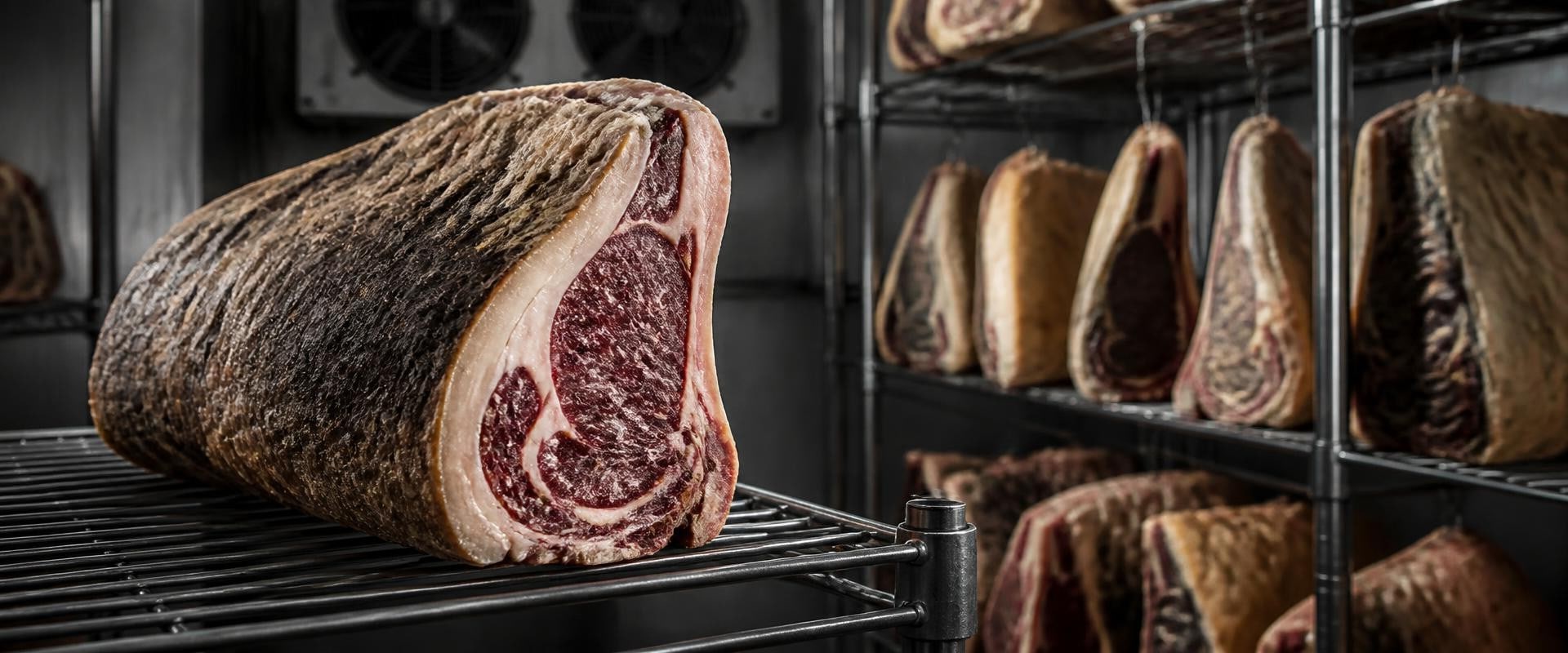
Optimal Conditions for Dry Aging is a topic that has captured the attention of culinary enthusiasts and steak lovers alike. At The Prime Cut Report, we delve into the intricate science behind dry aging, exploring how this time-honored technique transforms ordinary cuts of beef into extraordinary culinary experiences. For those who appreciate the rich flavors and enhanced tenderness that dry aging can provide, understanding the best conditions for this process is essential. Dry aging is not merely a trend; it's a meticulous art form that requires precise control over various environmental factors. Temperature, humidity, and air circulation play crucial roles in determining the quality of the final product.
In this article, we will uncover the optimal conditions necessary for dry aging beef to perfection, ensuring that every bite is a symphony of flavor and texture. Join us on this journey as we unlock the secrets behind dry aging and equip you with the knowledge to elevate your steak experience. Whether you're a home cook or a seasoned chef, understanding these principles will enhance your appreciation for one of the most revered methods of beef preparation. Let’s dive deeper into the world of dry aging and discover how to create the ultimate steak experience that will leave a lasting impression. Dry aging is a time-honored technique that enhances the flavor and tenderness of beef, transforming an ordinary cut into a gourmet experience. It involves storing beef in a controlled environment for an extended period, allowing natural enzymes to break down muscle fibers and intensify the meat's flavor.
The Prime Cut Report serves as an invaluable resource for understanding this intricate process, along with details about steak cuts and USDA grading. In this article, we will explore the serves as an invaluable resource for understanding this intricate process, along with details about steak cuts and USDA grading. In this article, we will explore the optimal conditions for dry aging, focusing on the critical factors that contribute to its success: temperature, humidity, air circulation, and time. These elements are essential for developing the unique flavors and textures associated with dry-aged beef.One of the most crucial factors in dry aging is temperature. The ideal range for dry aging beef is between 34°F to 38°F (1°C to 3°C).
At these temperatures, meat remains cold enough to prevent spoilage while allowing the aging process to occur. If the temperature is too high, bacteria can proliferate, leading to undesirable flavors and textures. Conversely, temperatures that are too low can hinder the enzymatic activity that contributes to tenderness and flavor development. For optimal results, maintaining a consistent temperature is vital.
Humidity
is another significant factor in the dry aging process.The ideal humidity level should be around 80% to 85%. This level allows moisture to evaporate from the surface of the meat, creating a protective crust while preventing excessive drying out. If humidity levels are too low, the meat can lose too much moisture too quickly, resulting in a tough and undesirable texture. On the other hand, if humidity is too high, it can promote mold growth, which can spoil the meat.
Achieving the right balance is essential for developing that coveted dry-aged flavor.
Air circulation
plays a vital role in ensuring that the meat dries evenly and develops a consistent texture and flavor profile. Good air circulation prevents moisture buildup on the surface of the meat and helps create a nice crust. In commercial dry aging facilities, specialized fans are often used to maintain airflow around each cut of meat. For home enthusiasts looking to replicate this process, investing in a dedicated dry aging fridge with proper ventilation can yield fantastic results. The duration of the dry aging process—referred to as time—can vary based on personal preference but generally ranges from 14 to 60 days or even longer.As time passes, the meat undergoes various changes; flavors become more concentrated and complex, while tenderness increases due to enzymatic breakdown. Cuts like ribeye and striploin are particularly suited for dry aging because they contain intramuscular fat that enhances flavor during this process. A ribeye aged for 30 days may exhibit nutty flavors with a buttery texture, while a striploin may develop a rich beefy taste with enhanced tenderness. For consumers looking to identify dry-aged steaks when dining out or shopping, there are some practical tips to keep in mind. First, look for labels or menu descriptions that specifically mention "dry aged." Dry-aged steaks typically have a darker color on the outside due to exposure to air during aging.
Additionally, they may have a firmer texture than their non-aged counterparts. In restaurants, don’t hesitate to ask your server about their dry aging process; knowledgeable staff should be able to provide insight into how long the meat has been aged and which cuts are available. Despite its growing popularity, there are still common misconceptions about dry aging that need clarification. One prevalent myth is that any steak can be successfully dry aged; however, not all cuts benefit equally from this technique. Cuts with higher fat content and marbling tend to yield better results compared to leaner cuts.
Another misconception is that dry aging is an overly complex process reserved for professional chefs or butchers. While it does require attention to detail regarding environmental conditions, it can be achieved at home with proper equipment and guidelines. In conclusion, understanding the optimal conditions for dry aging can elevate your culinary experience significantly. By recognizing the importance of temperature, humidity, air circulation, and time, you can appreciate why certain cuts like ribeye and striploin shine when aged properly. As you explore this delectable world of dry-aged beef, resources like The Prime Cut Report will continue to be invaluable in navigating your steak choices.
Ideal Dry Aging Conditions
To achieve the best results in dry aging, it is crucial to maintain optimal temperature and humidity levels within a controlled environment.The ideal temperature range for dry aging beef is between 34°F and 38°F. This range is essential as it slows down the growth of harmful bacteria while allowing the natural enzymes in the meat to break down collagen and enhance tenderness. Additionally, maintaining humidity levels between 80% and 85% is vital. This moisture content helps prevent excessive drying of the meat's exterior while promoting the development of flavor. Another key component of the dry aging process is ensuring proper air circulation.
A well-ventilated space allows for consistent airflow around the meat, which helps to form a protective crust on the surface and prevents spoilage. Without adequate air circulation, moisture can accumulate, leading to undesirable bacteria growth. By adhering to these precise conditions, you can unlock the full potential of dry aging, resulting in a steak that boasts unparalleled flavor and tenderness. For more insights into steak cuts and aging processes, The Prime Cut Report serves as an excellent resource for steak enthusiasts.
Understanding Dry Aging
Dry aging is a time-honored technique used to enhance the flavor and tenderness of beef, particularly steak.Unlike wet aging, which involves vacuum-sealing the meat in plastic to retain moisture, dry aging exposes the meat to controlled environmental conditions. This process allows for moisture loss and the development of concentrated flavors, resulting in a more robust taste and tender texture. The science behind dry aging lies in two primary processes: moisture loss and enzymatic breakdown. During dry aging, the meat is stored in a temperature and humidity-controlled environment, typically between 34°F to 38°F (1°C to 3°C) with a relative humidity of around 80%. This controlled setting allows moisture to evaporate from the surface of the meat, leading to a more concentrated flavor profile. As moisture evaporates, natural enzymes within the meat begin to break down muscle fibers and connective tissues.
This enzymatic activity results in a tenderizing effect that improves the overall mouthfeel of the steak. The combination of moisture loss and enzymatic breakdown creates a unique flavor profile that many steak enthusiasts seek out. Understanding these fundamental aspects of dry aging helps consumers appreciate the nuances of beef quality and flavor enhancement. Resources like The Prime Cut Report provide valuable insights into steak cuts, USDA grading, and the intricacies of the dry aging process, allowing diners to make informed choices when selecting their next meal.
Common Misconceptions about Dry Aging
When it comes to dry aging, there are several myths that can deter both casual diners and culinary enthusiasts from exploring this flavorful technique. One prevalent misconception is that dry aging requires expensive equipment.While specialized aging chambers can enhance the process, they are not strictly necessary. In fact, many enthusiasts successfully dry age meat in a simple home refrigerator with proper care and attention to hygiene. The Prime Cut Report emphasizes that understanding the fundamentals of dry aging is more important than investing in costly gear. Another common myth involves the aging time. Many believe that longer is always better when it comes to dry aging.
However, the optimal aging period can vary based on factors like the cut of meat and personal taste preferences. While some cuts benefit from extended aging, others may reach their peak flavor and tenderness in a shorter timeframe. It’s crucial for consumers to educate themselves on these nuances rather than adhering to rigid timelines. Additionally, some people think that dry aged beef will inevitably have a strong, gamey flavor. In reality, when done correctly, dry aging enhances the natural flavors of the meat, resulting in a more concentrated and refined taste rather than an overpowering one.
The Prime Cut Report serves as an invaluable resource for those looking to debunk these myths and gain a deeper understanding of the dry aging process.By dispelling these misconceptions, we can encourage more people to experiment with dry aging at home or seek out aged cuts at their local steakhouses. Knowledge is key in elevating your dining experience and truly appreciating the depth of flavor that comes from properly aged beef.
Choosing the Right Cuts for Dry Aging
When it comes to dry aging, selecting the right steak cuts is crucial for achieving the desired flavor and tenderness. Not all cuts of beef are created equal, and understanding which ones are best suited for this process can significantly enhance your dining experience. According to The Prime Cut Report, certain cuts possess characteristics that make them ideal candidates for dry aging, particularly due to their marbling and texture. Among the top choices for dry aging are ribeye, sirloin, and T-bone steaks.The ribeye, renowned for its rich marbling, is often favored because the fat content not only adds flavor but also helps to keep the meat moist during the aging process. This marbling breaks down over time, resulting in a tender and flavorful steak. Similarly, sirloin steaks are another excellent option. While they may not have as much marbling as ribeye, they offer a balance of tenderness and beefy flavor that becomes even more pronounced with dry aging. T-bone steaks combine both tenderness and flavor, as they include a portion of the tenderloin along with the strip steak, making them a popular choice among steak enthusiasts. Other cuts worth considering include strip loin and porterhouse.
The strip loin, like the ribeye, has good marbling and a firm texture, allowing it to age beautifully. The porterhouse shares characteristics with both the T-bone and tenderloin, providing a combination of textures and flavors that can elevate any meal. In summary, when exploring the world of dry aging, it's essential to choose cuts like ribeye, sirloin, T-bone, strip loin, and porterhouse that are well-suited for the process. These cuts not only stand up well during aging but also result in a remarkable enhancement of flavor and tenderness, making your dining experience truly exceptional. For more insights on steak cuts and the nuances of dry aging, visit The Prime Cut Report.
Navigating Steakhouse Menus
When dining out, especially at steakhouses, it can be a delightful challenge to identify dry-aged options on the menu.Many restaurants highlight their dry-aged offerings, but understanding the terminology and what to look for is key to making an informed choice.
The Prime Cut Report
serves as a valuable resource in this journey, providing insights into steak cuts and the dry aging process. First and foremost, look for terms like "dry-aged" or "aged" prominently displayed next to the steak options. Some restaurants may specify the aging period, such as "21 days" or "45 days", which can give you an idea of the flavor intensity and tenderness you might expect. Additionally, phrases like "bone-in ribeye" or "strip steak" often indicate higher quality cuts that are commonly dry-aged. If the menu doesn’t clearly indicate which steaks are dry-aged, don’t hesitate to ask your server for recommendations.Questions like "Which cuts are dry-aged?" or "Can you tell me about the aging process here?" will not only provide you with information but also show that you’re a discerning diner interested in the quality of your meal. Servers often appreciate engaged guests and can offer insights that enhance your dining experience. Finally, keep an eye out for any mention of flavor profiles. Descriptions that highlight nutty, buttery, or intense flavors are often indicators of a well-executed dry aging process. By equipping yourself with this knowledge, you’ll be better prepared to navigate steakhouse menus and make choices that elevate your dining experience. Remember, the world of dry aging can seem complex, but with guidance from resources like The Prime Cut Report, you can confidently choose the best options available and enjoy a truly remarkable steak meal. In conclusion, we have explored the best conditions for dry aging, emphasizing the importance of temperature, humidity, air circulation, and time in achieving the optimal flavor and tenderness in steak.
Understanding these factors not only enhances your appreciation of dry-aged steaks but also empowers you to make informed choices when dining out or purchasing beef. By delving into these ideal conditions, you can elevate your culinary experience and truly savor the depth of flavor that dry aging offers. For those eager to learn more about steak cuts, USDA grading, and the nuances of dry aging, we encourage you to explore The Prime Cut Report. This resource provides invaluable insights that will enhance your steak knowledge and dining adventures.
Previous report
Navigating the Steakhouse Menu: A Deep Dive into Steak Cuts and More
Continue consulting the guide
More articles

Exploring the Richness of Select Beef Quality
Dive into the world of beef quality, from USDA grading to steak cuts and dry aging techniques.

Understanding the Unique Qualities of Rare Steak
Explore the distinctive traits of rare steak, learn about steak cuts and USDA grading, discover dry aging, and get expert tips for navigating steakhouse menus.

Elevating Your Dining Experience with Prime Cuts
Explore the ins and outs of selecting prime cuts for special occasions, from understanding USDA grading to navigating steakhouse menus.

Exploring the Richness of Ribeye: A Steak Lover's Delight
Dive into the world of ribeye steaks, exploring grading systems, dry aging techniques, and essential tips for navigating steakhouse menus with insights from The Prime Cut Report.